Appointment reminders and no-show reduction · Marketing
Stop losing the four o'clock slot to someone who forgot they booked it.
A vet books twenty consultations for Saturday and four do not arrive. The slot cannot be sold again at four o'clock, and the puppy still has not had its booster. The owner was not being rude. She forgot.
Scope, fee, reporting and term are agreed in writing after we have read your brief and spoken to you.
In one paragraph
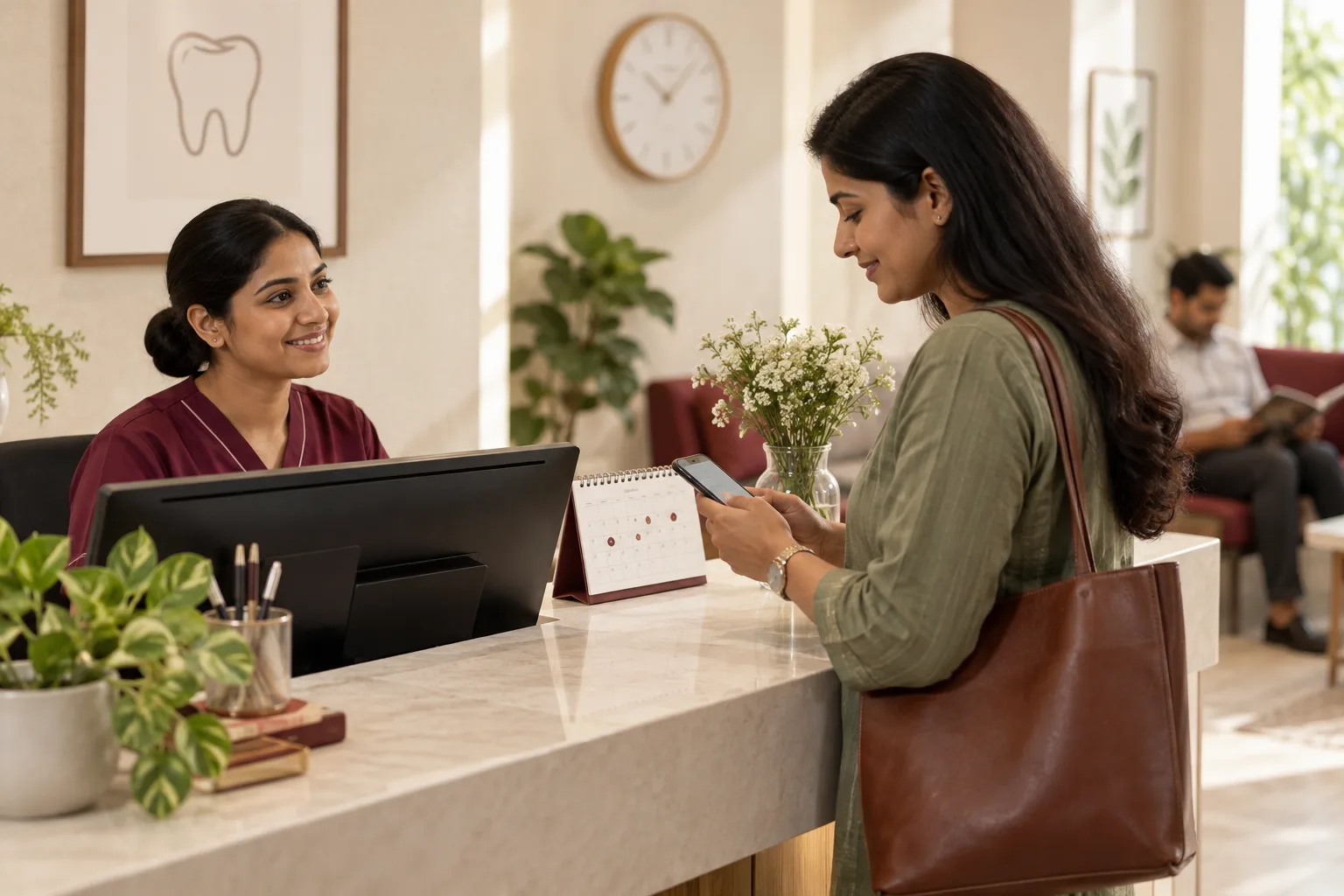
Appointment reminders and no-show reduction is the run of messages that gets a booked patient to turn up, move the slot or say they cannot come. GullySales writes the reminders and the recall messages, sets the timing and the opt-out, and reports your no-show rate rather than the number of messages sent.
A reminder is worth sending only if the patient can act on it, so every message ends in a reply: confirm, or ask for another day. A reply that moves the appointment is a win. The slot goes back on the board while there is still time to fill it.
Consent comes first on every channel. WhatsApp and SMS both need the patient to have agreed, and every message carries a way to stop. Ignore that and the number gets blocked, which kills the genuine reminders as well.
Who it is for
This is written for you if these sound familiar.
- A clinic, salon or physiotherapy practice where an empty slot cannot be sold to anybody else
- Reminder calls made by the front desk between patients, and skipped on the days the clinic is full
- Boosters, scaling, dressing changes or reviews that fall due on a date no patient remembers
- Packages of ten sessions where people stop coming after the fourth
- An appointment book or clinic software that has never been connected to a message
Not for
It is not the right fit if.
- Walk-in businesses with no booked slots. There is nothing to remind anyone about
- You want to message the whole old register whether those patients agreed or not. That gets the sender blocked, and we will not set it up
- People miss appointments because the wait is an hour long. A reminder will not fix a schedule that runs late
The problem
Does this sound like your business?
What owners tell us on the first call, in their words.
“Four people did not turn up on Saturday”
The slots were booked a week earlier and sat on the board until the time passed. Nobody rang on Friday to check.
“We do remind them, when there is time”
The reminder depends on a quiet ten minutes at the front desk. On a full day, which is the day it matters most, the calls do not happen.
“Patients we have not seen for a year”
The software says the dog's booster was due in March. Nothing went out, and the owner has taken him to the clinic that messaged her.
“We send reminders and nothing changed”
One message goes out on the morning of the appointment, too late to rearrange, with no way to reply. The vendor reports four hundred delivered and nothing about who came.
What we do
Everything that is included.
Each deliverable, and what it gets you. Nothing here is an extra.
Reminder timing set to your booking pattern
One message while there is still time to rearrange, and a short one on the day. A filling booked for tomorrow and a surgery booked a month ago need different gaps.
Confirm or reschedule in one reply
Every reminder ends with a reply that confirms, moves or cancels, and the answer reaches the front desk in the same place as the booking.
Consent list and a stop that works
A record of who agreed to be messaged and on which number, with an opt-out instruction in every message that is acted on the same day.
The recall run
Boosters, six-month reviews and patients who stopped mid-course, pulled from your records and messaged in the month they fall due. Email carries the ones that are not urgent.
A routine for the slot that opens
What the desk does with a cancelled 4 pm: who is rung first, and the short list of patients who said they would come at short notice.
Messages in the patient's language
The doctor's name, the clinic's address and what to bring, written in the language that patient gave you, whether that is Kannada, Hindi or English.
No-shows counted, not messages
The share of booked slots that went empty, by day and by treatment, next to the slots you refilled after a cancellation.
How the result is measured
- No-show rate, by day and by treatment
- Appointments confirmed or moved from a reminder reply
- Slots refilled after a cancellation
- Recalled patients who booked
- Opt-outs and complaints
Recorded as a baseline before work starts, so every later report has an honest comparison.
How it works
How the work runs
The work itself, in order. How an engagement starts, from your brief to a written scope, is set out on our method page.
- 1
Count the no-shows first
We go through three months of your appointment book and count who did not come, on which day and for what treatment. That number is the baseline.
- 2
Sort out consent
We check which patients agreed to be messaged and on which number, and clean out the rest before anything is sent.
- 3
Write the messages and set the timing
The reminder, the confirm or reschedule reply, and the recalls, in the languages your patients read. Text messages need their wording registered before they can be sent in India.
- 4
Trigger them from the booking
Messages fire from the appointment itself, in your clinic software or a shared sheet, so nobody at the desk has to remember.
- 5
Report the no-show rate and fix what missed
On the schedule agreed in writing we report no-shows and refilled slots against the baseline, and change the timing or the wording where the messages did not work.
Where this fits
Three pieces of sales work, in this order.
This work sits inside sales process design, at stage 3, discovery. The audit comes before it, and sales management keeps it running.
Step 1
Sales audit
Find where deals are being lost and what to fix first.
Start here if you cannot say where orders are lost.
Step 2 · you are here
Sales process design
One written way to sell, from first enquiry to repeat order.
Start here if every salesperson sells differently.
Step 3
Sales management
A target, a review routine and someone who owns the number.
Start here if the team has targets and no routine.
FAQ
Questions owners ask before they call.
Not here? More answers, or ask on WhatsApp.
How far ahead should a reminder go out?
SMS or WhatsApp for reminders?
Do reminders count as marketing messages?
What if people still do not turn up?
How is this priced?
How long is the contract?
How soon will we see results?
Who will actually do the work?
What do you need from us?
What if we are not happy with the work?
By industry
Appointment reminders and no-show reduction, written for your industry.
Related services
Often bought with this, or instead of it.
Read before you buy
- Appointment reminders: the message that cuts no-shows for clinics and salonsWording, timing and a one-tap reschedule for appointment reminders at a clinic or salon, with ready messages you can send from a phone or load as templates.
- Patients from Bangladesh and the northeast who go quiet after one callWhy families from Bangladesh and the northeast go quiet after calling a Kolkata hospital, and how to answer visit, stay and cost questions early, in their language, then follow up at each step of the trip.
- Patients from Himachal and Punjab who call once and do not comeWhy a family from Mandi or Ropar calls a Chandigarh hospital once and books elsewhere, and how to answer the travel and cost questions on that call and send a plan home.
Your next practical step
Tell us what you are trying to grow, and we will read it before we call.
Eight short steps, mostly taps. Skip anything you would rather answer on the call.