Two-wheeler dealers · Lead generation
Write down every enquiry, from the walk-in to the manufacturer's portal lead.
Lead generation for a two-wheeler dealer is getting a named rider interested in a named model, through walk-ins, the map, search ads, the manufacturer's enquiry forms, college and factory visits and your own service list. The work is as much recording each source as finding more. GullySales sets up the register and the source tags so you can see what brought a delivery.
Scope, fee, reporting and term are agreed in writing after we have read your brief and spoken to you.
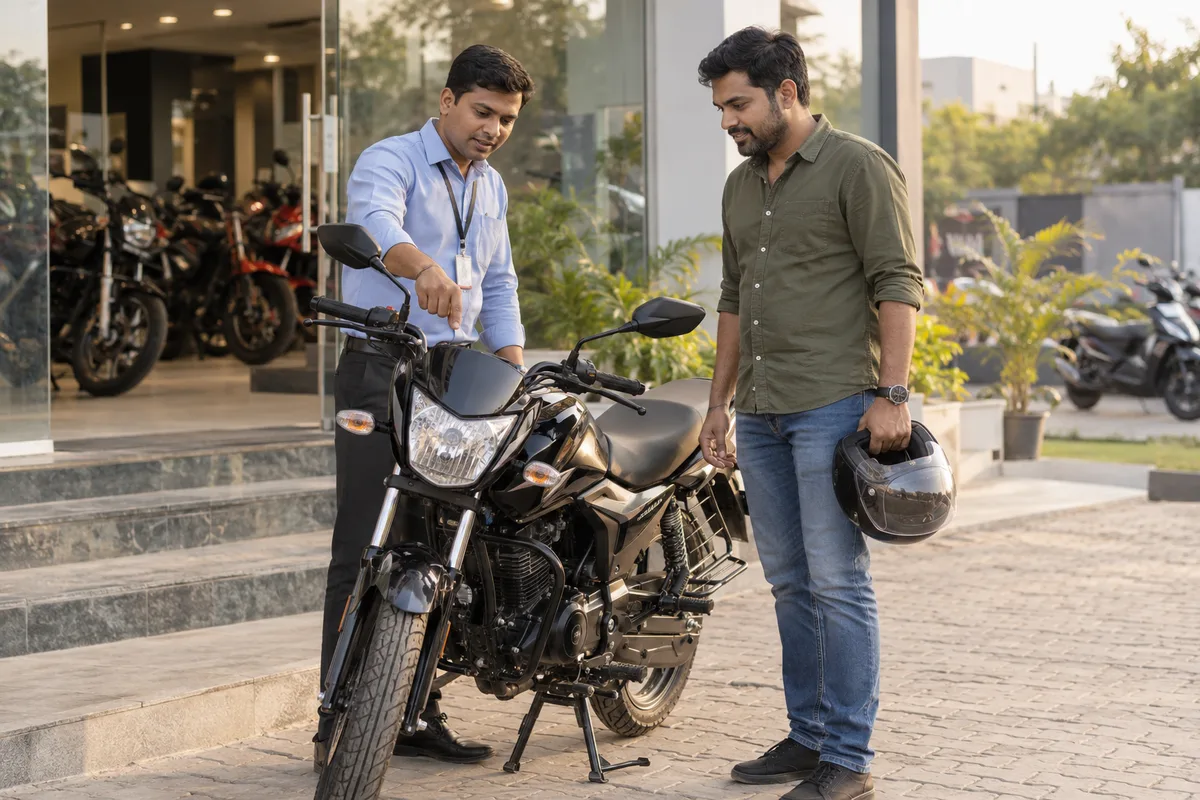
What lead generation means
Lead generation is the combined work of every channel that brings in a new enquiry, whether from search, adverts, referrals or a stall at an exhibition. GullySales runs these channels together and reports the number of enquiries each one produced, not the activity behind it.
Also for two-wheeler dealers
- Follow-up systems for two-wheeler dealers
- CRM for two-wheeler dealers
- SEO for two-wheeler dealers
- Local SEO for two-wheeler dealers
- Pay per click advertising for two-wheeler dealers
- Social media marketing for two-wheeler dealers
- WhatsApp marketing for two-wheeler dealers
- Reputation management for two-wheeler dealers
Sales and marketing for two-wheeler dealers, the overview.
Last updated 6 Oct 2026.
For two-wheeler dealers
Where it usually goes wrong, and what we would do.
“The manufacturer's leads sit in a portal nobody opens”
Leads the brand routes to the dealer wait in the manufacturer's system until somebody logs in. A rider who asked on Tuesday is called on Friday, or by the dealer in the next town.
“The visitor who did not buy is your biggest and least recorded source”
Showroom traffic is the largest source of riders and the one nobody enters. Without a name against a model there is nothing to follow up and nothing to count.
“Camps and stalls produce cards and no calls”
A stall at a college fest or a factory gate collects a pile of cards, and the cards are never typed in. Enter them the next day with the source, or the stall was paid for nothing.
What we do
What we deliver for two-wheeler dealers.
Every deliverable, what it covers for you, and the result it is there to produce. Nothing here is an extra.
One enquiry register for the showroom
A single sheet or CRM where walk-in, phone, WhatsApp, portal and manufacturer enquiries are entered with the model, the rider's number and the finance need.
Result: Every rider who asked about a bike is in one place.
Manufacturer and portal leads brought into the register
A routine for copying each brand and portal lead into your register with its source, and updating the brand's own system.
Result: No lead is called three times or not at all.
A card for camps, college fests and factory visits
A one-line form for the stall, with a source name for each camp and a rule that the cards are entered the next day.
Result: A stall produces calls to make, not a bag of paper.
A source tag on every enquiry
A short list of sources agreed with the staff, including the service bay and the family of an existing owner.
Result: You can see which source ends in a delivery.
A rule for who calls and what the call records
A named person for each enquiry and a list of what is written down: the model, the finance need and the date the buyer plans to buy.
Result: No enquiry waits for whoever is free.
A report from source to delivery against the baseline
Enquiries, test rides and deliveries by source, set against the baseline recorded before work starts.
Result: You know where the next rupee of effort belongs.
How the result is measured
- Enquiries generated
- Cost per enquiry
- Enquiries by source
Recorded as a baseline before work starts, so every later report has an honest comparison.
Where enquiries come from
The ways a rider reaches a two-wheeler dealer, what to record and how to reply.
- Showroom walk-in
- Take the visitor's name, number, model and finance need before they leave, and write them in the register. Ring in a day or two about that model, with the colour in stock.
- Manufacturer's website or app lead
- Log in to the brand's lead system and copy each lead into your register with its source. Ring the rider and update the status there, since the brand may track it.
- Bike portal or search ad enquiry
- Record the portal or ad, the model and the time. Send the on-road build-up in a message, then call. Do not call before the message has gone.
- Map listing call
- Note the number, the question and the model. If the call was missed, ring back the same day. A rider calling from the map is usually asking about hours and a test ride.
- College, factory and society camps
- Write the camp's name on each card, enter them the next day and ring those who asked about finance. Ask the college or employer for permission before you set up a stall.
- A service customer asking about a new bike
- The advisor notes the interest on the job card and passes it to sales. Record it as its own source, because it shows how much sale your service bay brings.
Who it is for
This is written for these two-wheeler dealers.
- Single-brand two-wheeler dealerships
- Multi-brand two-wheeler showrooms
- Scooter-focused dealerships
- Dealers with a large service business
- Rural and semi-urban dealerships
- Dealers with multiple branches
Not for
It is not the right fit if.
- The manufacturer's portal leads reach the manager's phone but are not passed to the salesmen, so adding more sources only widens the gap.
- The showroom is not ready to record each enquiry's model and colour, so a new lead source would simply be uncounted.
How it works
How the lead generation work runs
The work itself, in order. How an engagement starts, from your brief to a written scope, is set out on our method page.
- 1
Understand your capacity
We ask how many enquiries your team can answer well, who answers after hours, and what a good enquiry looks like. Without this, the system fills a funnel nobody is watching.
- 2
Audit current sources
We read your call log, WhatsApp chats, enquiry sheet and platform dashboards. The baseline is recorded: enquiries by source, reply time, conversion and cost per order.
- 3
Strategise the channel mix
Search and maps are chosen for people ready to buy, ads for people who are not yet looking, and content and referrals for trust.
- 4
Implement capture and follow-up
Pages, forms, tags, the lead record and the first-reply message are built and tested end to end. We submit test enquiries ourselves before any media money is spent.
- 5
Measure and optimise
Enquiries are traced to source and judged by what became orders, not by volume alone. Channels that fill the sheet with poor enquiries are cut back. How often you are reported to is agreed in writing.
Where this fits
Three pieces of sales work, in this order.
This work sits inside sales process design, at stage 1, prospecting and lead generation. The audit comes before it, and sales management keeps it running.
Step 1
Sales audit
Find where deals are being lost and what to fix first.
Start here if you cannot say where orders are lost.
Step 2 · you are here
Sales process design
One written way to sell, from first enquiry to repeat order.
Start here if every salesperson sells differently.
Step 3
Sales management
A target, a review routine and someone who owns the number.
Start here if the team has targets and no routine.
FAQ
Questions owners ask before they call.
Not here? More answers, or ask on WhatsApp.
Should we pay for leads from the bike portals?
A lead arrives from the manufacturer and the rider is already in our register. What do we do?
How do we record a college or factory camp?
How do we tell a ready buyer from a browser?
How much does it cost?
How long is the contract?
How soon will we see results?
Who will actually do the work?
What do you need from us?
What if we are not happy with the work?
From the blog
Further reading for two-wheeler dealers.
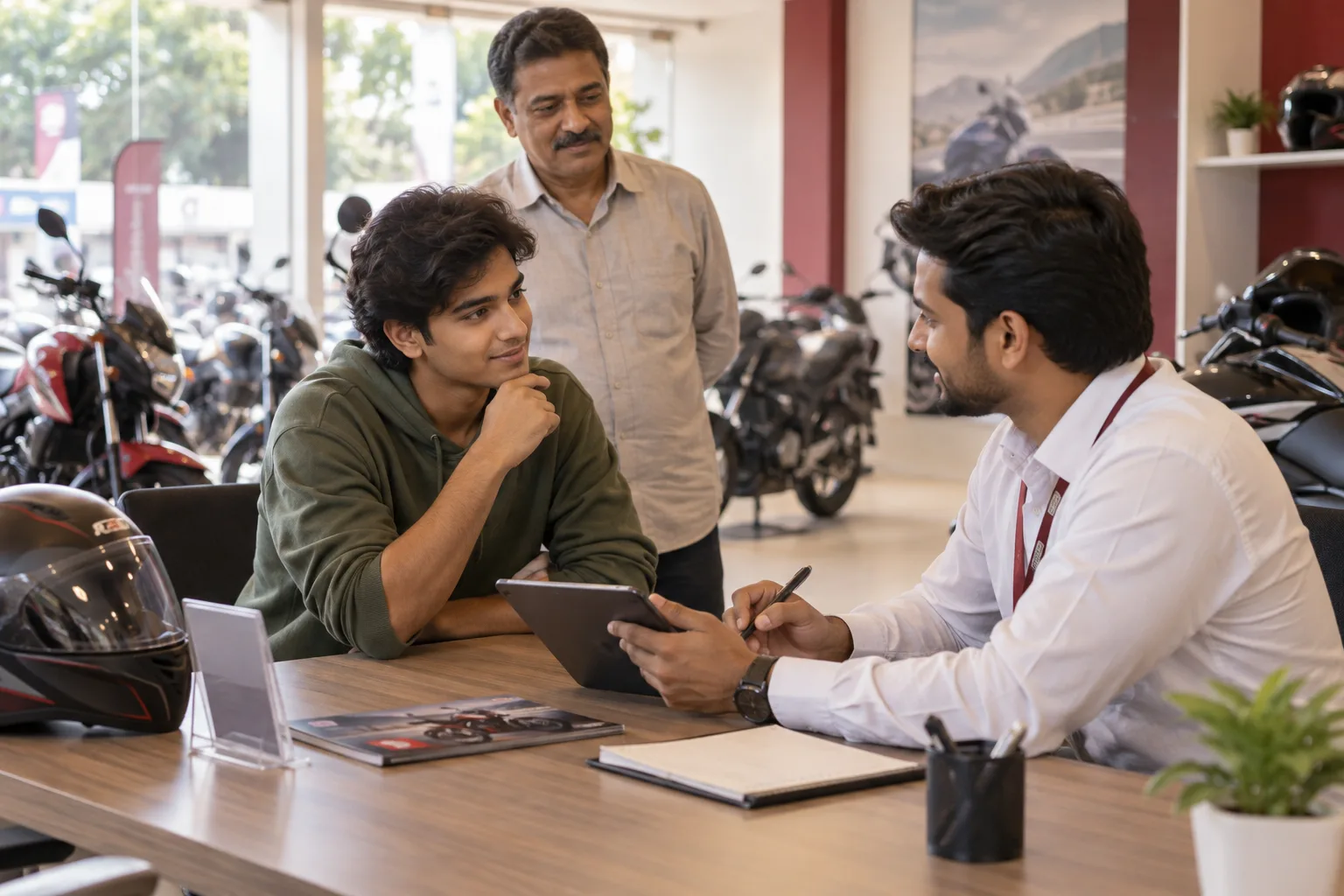 5 min read · 6 Oct 2026How two-wheeler dealers follow up a showroom walk-inA visitor who says he will come back with his father usually buys from whoever calls him first. Here is how to take his details properly and follow up without nagging.
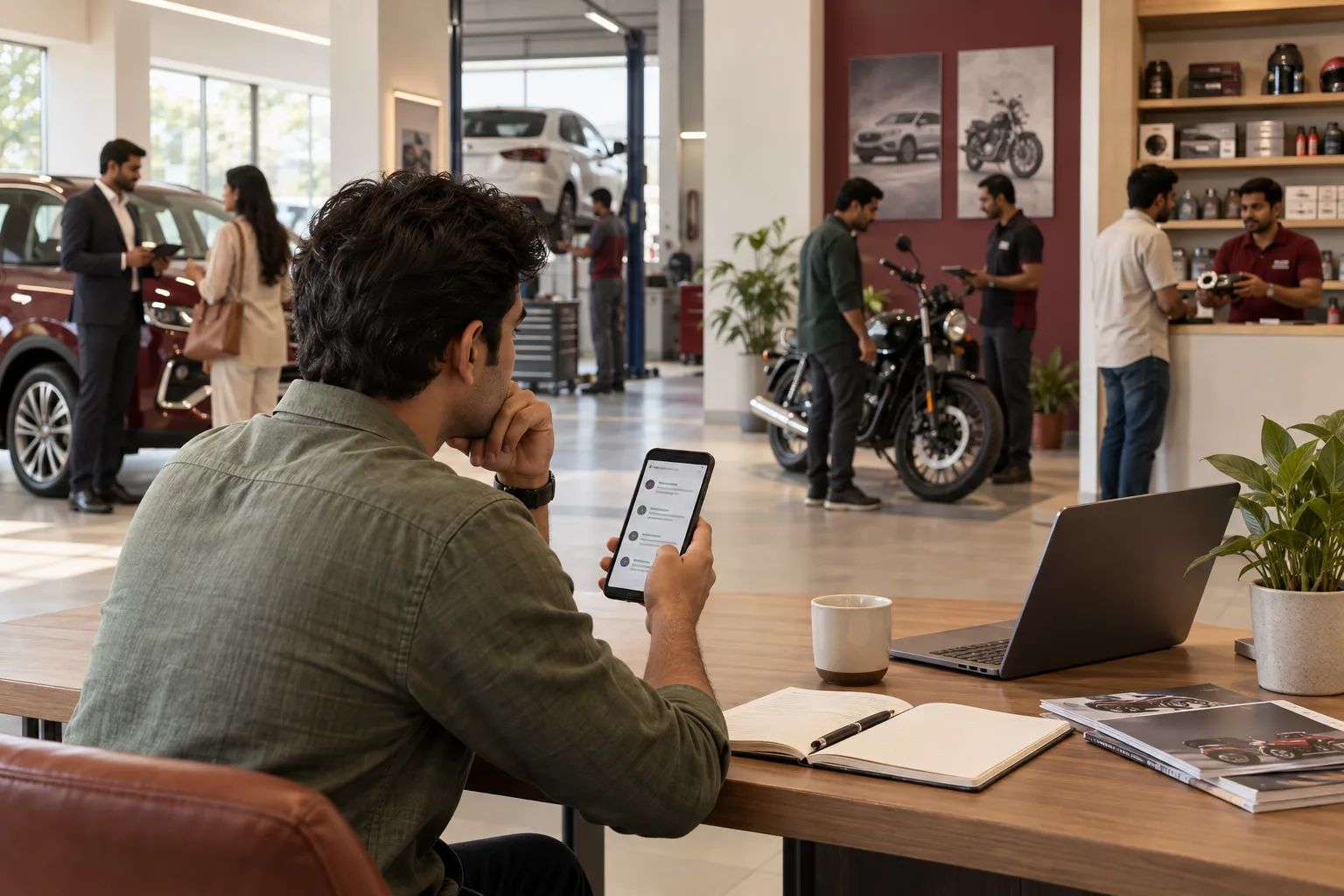 6 min read · 6 Oct 2026How buyers choose a showroom, workshop or parts counterCar, bike, repair and parts buyers send one enquiry to several sellers and pick the first clear answer. This post lists what each buyer checks, and where a dealer or workshop quietly loses them.
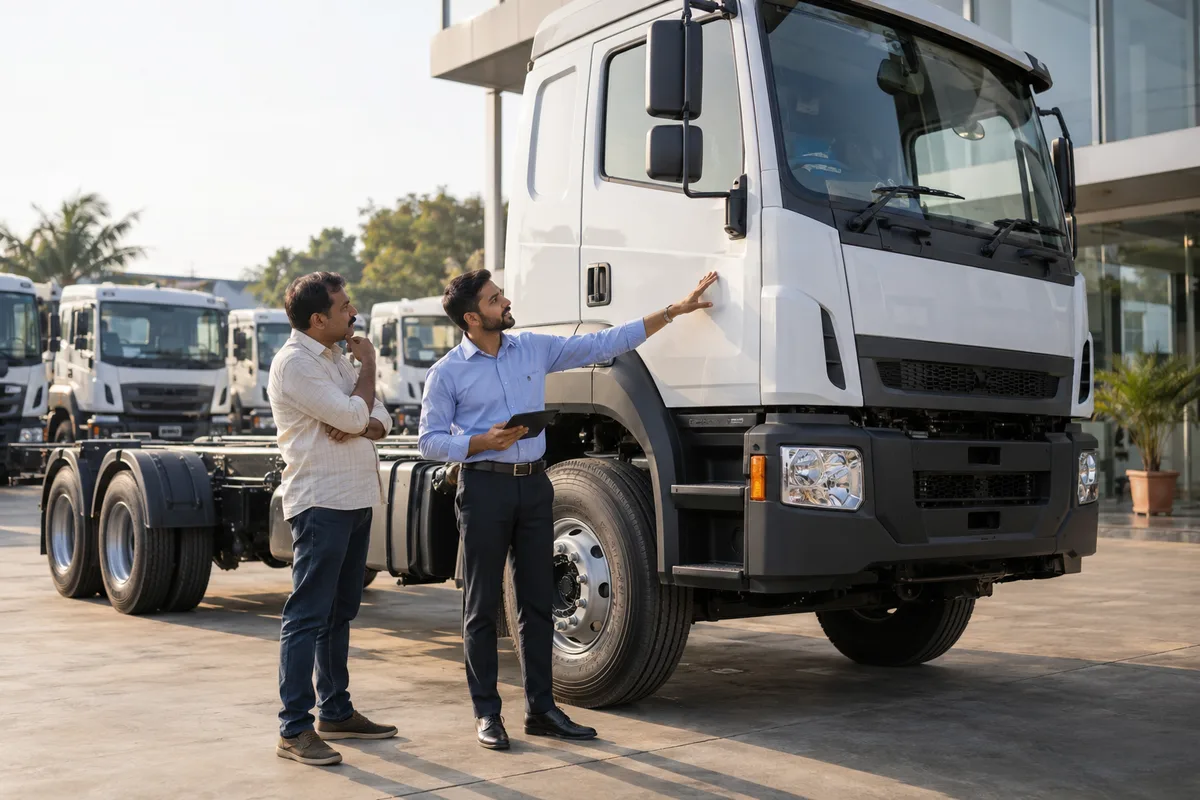 6 min read · 5 Oct 2026Handling price negotiation in a vehicle showroomA give-and-get ladder for showroom price talks: what each salesperson may concede, in what order, and what to ask for in return, so buyers are treated alike and margin is kept.
More for two-wheeler dealers
Everything else we would do for you.
Closest to this: leads and follow-up
Also for two-wheeler dealers
Or start from the overview: sales and marketing for two-wheeler dealers.
Your next practical step
Tell us what you are trying to grow, and we will read it before we call.
Eight short steps, mostly taps. Skip anything you would rather answer on the call.