Veterinary clinics · Public relations
Get quoted on the local news segment about monsoon pet illnesses.
Public relations for a veterinary clinic means getting a vet quoted in local media or community groups on seasonal pet health concerns, such as tick-borne illness or heatstroke risk. GullySales pitches this and turns the coverage into content the clinic can reuse.
Scope, fee, reporting and term are agreed in writing after we have read your brief and spoken to you.
What public relations means
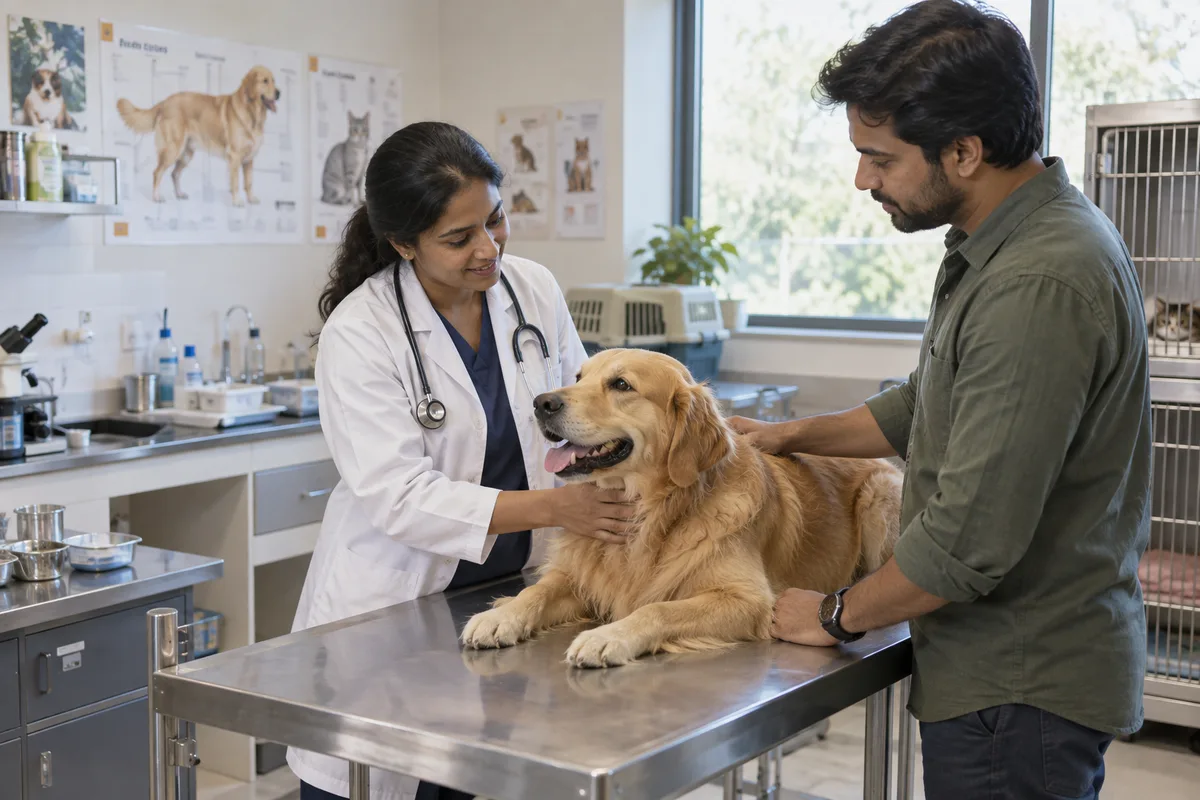
Public relations is getting your business covered by journalists, trade publications or local news, which carries more trust than an advert because a third party is saying it. GullySales pitches your story to the right publications and prepares your team for interviews when coverage is offered.
Last updated 8 Nov 2026. Rules for this trade differ by state and professional body, and they change. We describe restrictions in general terms, so check the current position with your own council or adviser before you publish anything.
For veterinary clinics
Where it usually goes wrong, and what we would do.
“Seasonal health warnings are a reliable pitch angle”
Local media regularly cover seasonal pet health risks, and a vet offering clear, quotable advice ahead of the season gets picked up more easily than a general pitch.
“Community group involvement builds quiet local trust”
A vet speaking at a residential association event about basic pet first aid reaches exactly the local owners the clinic wants to serve.
“A rescue or shelter partnership earns genuine local coverage”
Supporting a local animal shelter or rescue group, mentioned honestly, gives media and community groups a real story to cover.
What we do
What we deliver for veterinary clinics.
Every deliverable, what it covers for you, and the result it is there to produce. Nothing here is an extra.
A seasonal media pitch on pet health risks
A quotable, ready pitch offered to local media ahead of a seasonal risk such as tick-borne illness or heatstroke, timed before the season peaks.
Result: The vet gets quoted as the clear, useful voice on that season's risk.
A speaking slot at a local community event
An offer to speak at a residential association or community group on basic pet first aid, reaching local owners directly.
Result: Local owners meet the vet in person before they ever need one.
A local shelter or rescue partnership, honestly told
Support for a local animal shelter or rescue, described factually, giving media and community groups a real story worth covering.
Result: The clinic earns coverage for something genuinely done, not a promotional claim.
Coverage turned into reusable content
Any media mention or event appearance turned into a page, post or clip the clinic can reuse on its own channels.
Result: One piece of coverage keeps working long after it first ran.
A running media and mentions log
A simple record of every pitch sent, response received and mention published, kept so the clinic can see what worked.
Result: You know which pitch angles are actually landing with local media.
How the result is measured
- Coverage secured
- Publication reach
- Enquiries after coverage
Recorded as a baseline before work starts, so every later report has an honest comparison.
What is worth telling the press
What a vet can offer a local paper or pet owners' group.
- Seasonal pet warnings
- Offer the vet's comment on tick fever in the monsoon, heatstroke in summer and noise stress at Diwali. Say what an owner can do and when to call the clinic.
- A shelter partnership told honestly
- If you support a local shelter with vaccination or sterilisation, publish only what the shelter confirms. Ask whether it wants its name used.
- A talk for a housing society
- Offer a short talk on first-year puppy care, vaccination or caring for senior dogs. Societies with many pet owners often have a pets' WhatsApp group.
- An awareness day
- World Rabies Day and World Veterinary Day give a paper a reason to print a vet's comment. Use the day to point to a vaccination camp.
- A stray feeding dispute
- Neighbourhood fights over stray dogs reach the news. Decide beforehand what the clinic will say, stay within animal welfare law and do not take sides.
- The vet's credentials
- A mention should carry the vet's name, degree and state veterinary council registration as the register lists them. Keep the clinic's papers ready.
Who it is for
This is written for these veterinary clinics.
- Small animal clinics
- Multi-vet veterinary hospitals
- Mobile and home-visit vet services
- Exotic and avian veterinary practices
- Farm and large animal veterinary services
- Pet grooming and wellness clinics with vet services
- 24-hour emergency veterinary hospitals
- Veterinary diagnostic and referral centres
Not for
It is not the right fit if.
- The vet is not willing to speak to a reporter or approve a quote, and a story about pet health needs a named vet behind it.
- A dispute over stray dogs or a complaint to the municipality is still open nearby, and fresh press attention would land in the middle of it.
How it works
How the public relations work runs
The work itself, in order. How an engagement starts, from your brief to a written scope, is set out on our method page.
- 1
Understand what is newsworthy
We interview you and read your records to find stories with facts behind them. Manufactured news rarely earns real coverage.
- 2
Audit relevant press
We list the journalists and publications that cover your industry or town, in English and in the languages your buyers read.
- 3
Prepare the pitch
Each pitch is written for one journalist and one angle. Releases carry the facts a desk needs to check.
- 4
Approach and follow up
Journalists are approached directly. One follow-up goes out, and answers to their questions go back the same day.
- 5
Record and prepare ahead
Coverage goes into the log, and the holding statements are kept current for any matter that may need a public reply.
Where this fits
Three pieces of sales work, in this order.
This work sits inside sales process design, at stage 1, prospecting and lead generation. The audit comes before it, and sales management keeps it running.
Step 1
Sales audit
Find where deals are being lost and what to fix first.
Start here if you cannot say where orders are lost.
Step 2 · you are here
Sales process design
One written way to sell, from first enquiry to repeat order.
Start here if every salesperson sells differently.
Step 3
Sales management
A target, a review routine and someone who owns the number.
Start here if the team has targets and no routine.
FAQ
Questions owners ask before they call.
Not here? More answers, or ask on WhatsApp.
Do we need a formal press release for this?
How is success measured?
Who should speak to the press about a stray dog dispute?
A paper printed the wrong advice from our vet. What should we do?
How much does it cost?
How long is the contract?
How soon will we see results?
Who will actually do the work?
What do you need from us?
What if we are not happy with the work?
From the blog
Further reading for veterinary clinics.
 6 min read · 26 Aug 2026Pet grooming marketing: how to get grooming and boarding customersPet grooming marketing works on Maps, reviews, before and after photographs and fast replies. Boarding is won on trust. Here is how to fill both, and what a plan should cover.
 8 min read · 19 Aug 2026The pet parent journey: from the first search to regular visitsThe pet parent journey runs from the first anxious search to years of repeat visits. Here are the stages, and where Indian clinics lose owners.
 7 min read · 20 May 2026Loyalty programmes for pet clinics: the ones owners actually useA loyalty programme for a pet clinic is not a points card. It is a wellness plan paid up front, reminders for care that is already due, and one small standing benefit a regular notices.
More for veterinary clinics
Everything else we would do for you.
Closest to this: reputation
Also for veterinary clinics
Or start from the overview: sales and marketing for veterinary clinics.
Your next practical step
Tell us what you are trying to grow, and we will read it before we call.
Eight short steps, mostly taps. Skip anything you would rather answer on the call.