Veterinary clinics · Reputation management
Answer the review about a long wait before the next anxious owner reads it.
Reputation management for a veterinary clinic means monitoring reviews and responding to them. An owner choosing a vet for a sick pet reads recent reviews closely, especially any about wait times or how a difficult situation was handled. GullySales monitors the review platforms and drafts each reply with you before it goes up.
Scope, fee, reporting and term are agreed in writing after we have read your brief and spoken to you.
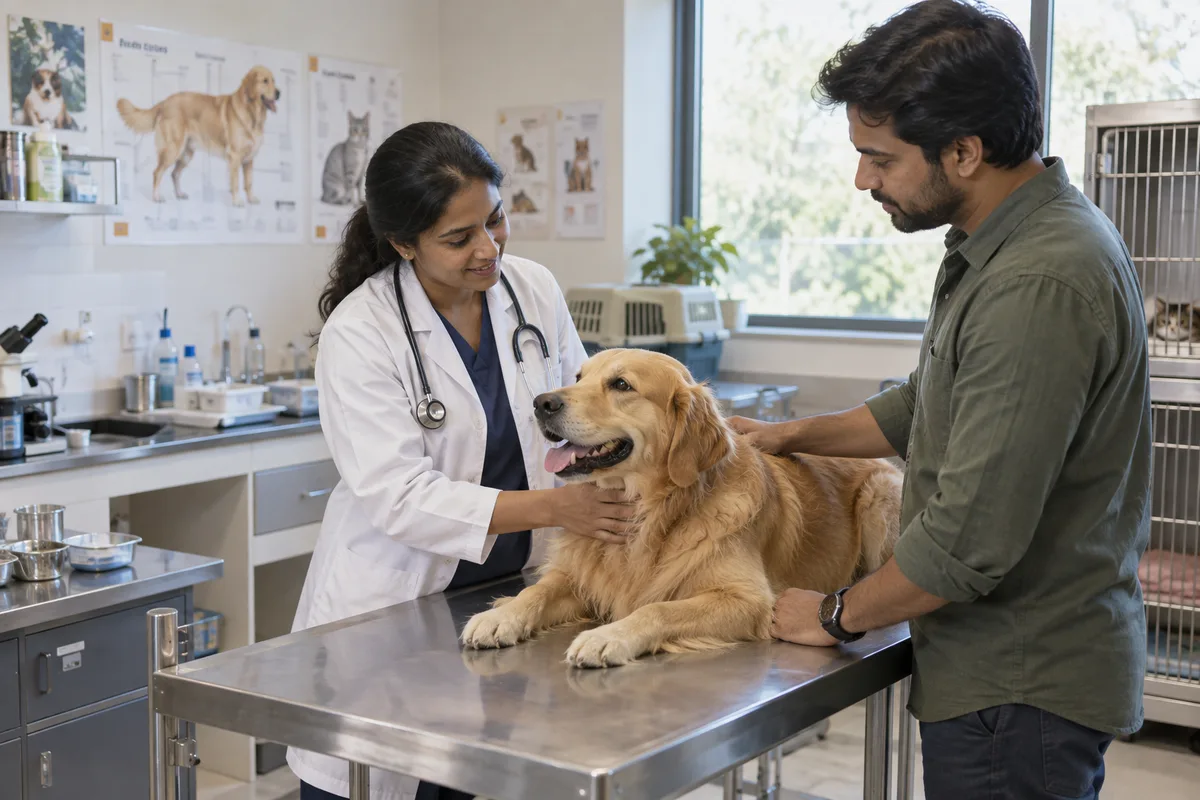
What reputation management means
Reputation management is watching what is said about your business across Google, social media and review sites, and responding to it before it changes a buyer's mind. GullySales monitors mentions, drafts responses to negative reviews and flags recurring complaints back to your team.
Last updated 8 Nov 2026. Rules for this trade differ by state and professional body, and they change. We describe restrictions in general terms, so check the current position with your own council or adviser before you publish anything.
For veterinary clinics
Where it usually goes wrong, and what we would do.
“Reviews about how bad news was delivered carry real weight”
An owner researching a clinic often looks specifically for how staff handled a difficult diagnosis or a pet's passing, which shapes trust more than convenience reviews.
“A quick reply to a wait-time complaint reassures future owners”
Acknowledging a long wait honestly and explaining what changed reads better to a new visitor than silence or a defensive response.
“Happy owners of routine visits rarely think to leave a review”
A clinic mostly hears from owners with a complaint unless it actively asks satisfied owners, particularly after a smooth vaccination visit, to share one.
What we do
What we deliver for veterinary clinics.
Every deliverable, what it covers for you, and the result it is there to produce. Nothing here is an extra.
Review monitoring across every listed platform
Daily monitoring of new reviews on the Google profile and other listed platforms, so none sit unanswered for long.
Result: No review waits so long that a new owner reads only silence.
Drafted replies for difficult and sensitive reviews
Careful, honest reply wording for reviews about how a difficult diagnosis or a pet's passing was handled, agreed with you before posting.
Result: A sensitive review gets a response that reflects the clinic's actual care.
An honest reply approach for wait-time complaints
A drafted response acknowledging a long wait honestly and explaining what changed, rather than a defensive reply or no reply at all.
Result: A new visitor reads a clinic that owns its mistakes, not one that hides from them.
A review request sent after routine, positive visits
A simple ask sent to a satisfied owner after a smooth vaccination or routine visit, since these owners rarely think to leave a review unprompted.
Result: The review profile reflects routine good experiences, not only complaints.
Reputation report with review volume and tone
A summary of new reviews received, replied to and their general tone, compared against the baseline.
Result: You can see whether the clinic's reputation is being actively managed or just watched.
How the result is measured
- Average rating
- Response time to reviews
- Negative mentions resolved
Recorded as a baseline before work starts, so every later report has an honest comparison.
What to do with each review
How to answer each kind of review a veterinary clinic gets.
- Praise for a visit
- Thank the owner and use the pet's name only if they did. Say the team was glad to help. Do not describe the treatment. Invite them to the next vaccination visit without offering a discount.
- A pet died after treatment
- Write a short, kind reply of sympathy. Do not discuss the case in public. Invite the owner to speak to the vet in charge. Keep the case notes ready and let the doctor read the reply first.
- Waiting time at the clinic
- Apologise and explain, in a line, that emergencies are seen first. Check how appointments are spaced and whether the front desk tells waiting owners what the delay is.
- Bill higher than expected
- Reply that an estimate is given before a procedure and offer to go through the bill by call. Check that your staff give and note a written estimate, and tell owners when it changes.
- Treatment or medicine did not work
- Do not defend the choice in public. Say the vet would like to see the pet again and invite a call. Check the record for what was explained about possible outcomes.
- Review about the grooming or boarding area
- Reply to the point itself and say what you changed. Check hygiene, handling and the owner's consent for each service, since this part of the clinic is often run without a vet present.
Who it is for
This is written for these veterinary clinics.
- Small animal clinics
- Multi-vet veterinary hospitals
- Mobile and home-visit vet services
- Exotic and avian veterinary practices
- Farm and large animal veterinary services
- Pet grooming and wellness clinics with vet services
- 24-hour emergency veterinary hospitals
- Veterinary diagnostic and referral centres
Not for
It is not the right fit if.
- The clinic has not decided who may reply to a review, and a reply written in a hurry about a pet's treatment can break an owner's confidence.
- The wait that earns the complaints has not been looked at, so replies would apologise for the same wait again and again.
How it works
How the reputation management work runs
The work itself, in order. How an engagement starts, from your brief to a written scope, is set out on our method page.
- 1
Search your name as a stranger would
We search the business, its main product names and the owner's name, on a phone and a laptop, and record what appears.
- 2
Catalogue every mention
Reviews, news, listings, social posts and forum threads are sorted into accurate and positive, accurate and negative, and wrong. Each group gets a different action.
- 3
Agree the replies and the owner of each
Replies are drafted and approved by you. Anything involving a refund, a clinical matter, a legal claim or a named employee goes to the right person in your business before anything is posted.
- 4
Fix what you control
Listings, profile details and your own pages are corrected, and pages worth ranking for your name are strengthened with accurate information.
- 5
Monitor and report
The agreed places are checked on the agreed schedule. The name search is repeated and compared with the first record.
Where this fits
Three pieces of sales work, in this order.
This work sits inside sales management. A target, a review routine and someone who owns the number.
Step 1
Sales audit
Find where deals are being lost and what to fix first.
Start here if you cannot say where orders are lost.
Step 2
Sales process design
One written way to sell, from first enquiry to repeat order.
Start here if every salesperson sells differently.
Step 3 · you are here
Sales management
A target, a review routine and someone who owns the number.
Start here if the team has targets and no routine.
FAQ
Questions owners ask before they call.
Not here? More answers, or ask on WhatsApp.
Should every review get a reply?
How do we ask for reviews sensitively?
Can we answer a review by quoting the pet's medical record?
A review names a locum vet who has left. How do we reply?
How much does it cost?
How long is the contract?
How soon will we see results?
Who will actually do the work?
What do you need from us?
What if we are not happy with the work?
From the blog
Further reading for veterinary clinics.
 6 min read · 26 Aug 2026Pet grooming marketing: how to get grooming and boarding customersPet grooming marketing works on Maps, reviews, before and after photographs and fast replies. Boarding is won on trust. Here is how to fill both, and what a plan should cover.
 8 min read · 19 Aug 2026The pet parent journey: from the first search to regular visitsThe pet parent journey runs from the first anxious search to years of repeat visits. Here are the stages, and where Indian clinics lose owners.
 7 min read · 20 May 2026Loyalty programmes for pet clinics: the ones owners actually useA loyalty programme for a pet clinic is not a points card. It is a wellness plan paid up front, reminders for care that is already due, and one small standing benefit a regular notices.
More for veterinary clinics
Everything else we would do for you.
Closest to this: reputation
Also for veterinary clinics
Or start from the overview: sales and marketing for veterinary clinics.
Your next practical step
Tell us what you are trying to grow, and we will read it before we call.
Eight short steps, mostly taps. Skip anything you would rather answer on the call.