Veterinary clinics · Telecalling
Return the missed call and chase the lapsed booster while the vet is in surgery.
Telecalling for a veterinary clinic is the managed phone work of returning missed calls, answering booking enquiries, reminding owners of due vaccinations and checking in after treatment, with each call outcome recorded. GullySales calls from your own lists with approved scripts, hands anything clinical to your team, and reads the results against the figures recorded before the work began.
Scope, fee, reporting and term are agreed in writing after we have read your brief and spoken to you.
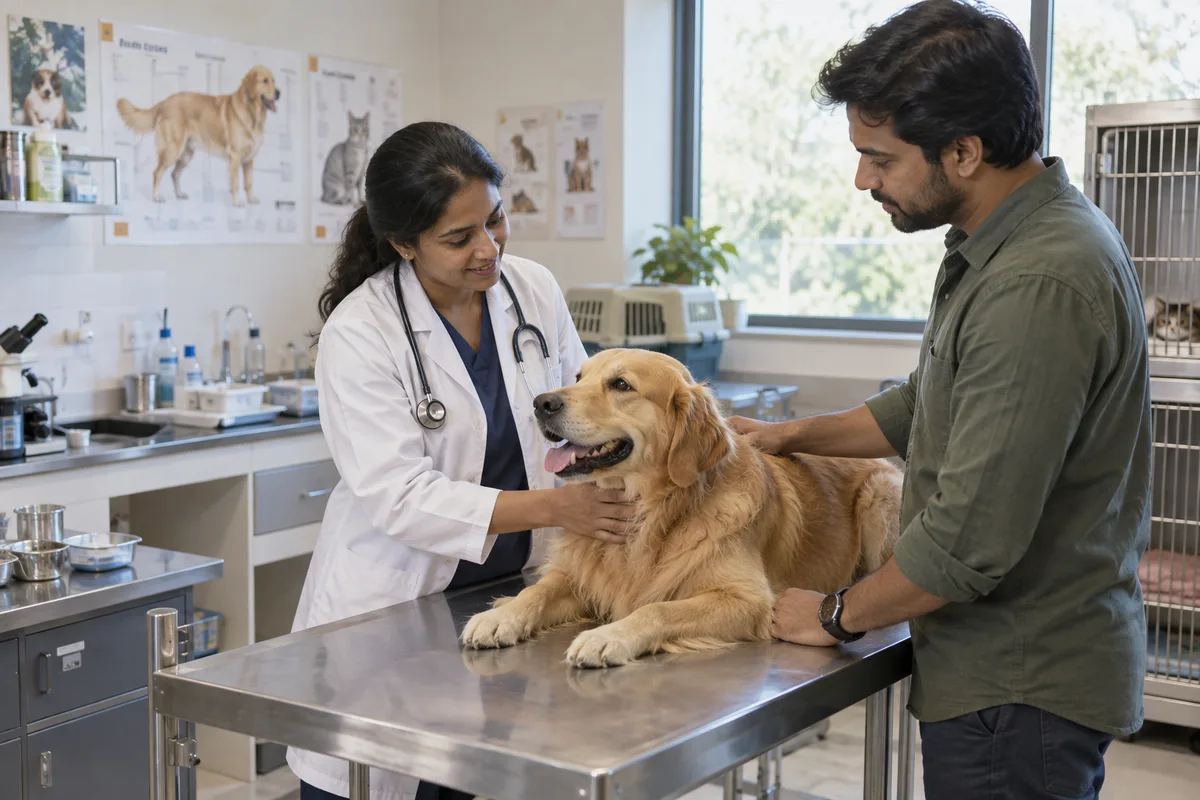
What telecalling means
Telecalling is the managed phone work of answering enquiries, making follow-up calls, and re-engaging past enquirers, with each outcome recorded. GullySales runs calling around your existing enquiry sources, using approved scripts and agreed follow-up schedules, then hands qualified conversations to your sales team and measures what happens after the call.
Last updated 14 Nov 2026. Rules for this trade differ by state and professional body, and they change. We describe restrictions in general terms, so check the current position with your own council or adviser before you publish anything.
For veterinary clinics
Where it usually goes wrong, and what we would do.
“The phone rings hardest when the vet is operating”
The morning surgery list, the consulting room and the ward round all pull the same few people away from the phone. A worried owner gets voicemail, then calls the next clinic on the map. A missed call is the clinic's own enquiry, and it can only be won back by someone who rings back, knows what the clinic offers and has permission to book a slot.
“A caller must never drift into giving clinical advice”
An owner who answers a reminder call may ask whether the limping is serious or whether a medicine can be given. A caller who guesses puts the animal at risk and the clinic's name behind a statement nobody vetted. The script needs a firm rule: describe what the clinic offers, book the visit, and pass any question about the animal's health to a vet, with an emergency line for urgent cases.
“Lapsed patients are the easiest calls and the least followed up”
A dog whose booster is overdue, a cat last seen after an operation and a rabbit that missed its annual check all sit in the records with no next step. Nobody has time to ring the list. A short, polite call that reminds the owner, offers a slot and records the answer is cheaper than finding a new patient, and it keeps the animal's history in one clinic.
“Owners differ in language, hour and mood”
A farmer is reachable after the morning milking, a office worker only in the evening, and an owner who recently lost a pet may not want a call at all. Calls need agreed hours, the right language for each owner, a way to record a request not to be called and a rule for patients recorded as deceased. A careless call to the wrong person damages trust in the clinic.
What we do
What we deliver for veterinary clinics.
The work available for this need. We agree the deliverables and responsibilities for your engagement in writing.
Call source and ownership map
A written map of where calls and enquiries arrive: missed calls, the website form, the Maps listing, a referral from a breeder or pet shop, and walk-ins who left a number. Each queue gets a named owner at the clinic, so every enquiry has someone responsible for the first return call.
Result: Every source of enquiries is on one sheet with a named person against it.
List eligibility record
A review of each number's source and the permission held, checked against any do-not-call register your country keeps and the opt-outs your own clinic has recorded. Held-back numbers and patients recorded as deceased are marked separately. Unresolved questions go to your own adviser.
Result: Each number on the calling list has a recorded source, and held-back numbers are listed apart.
Scripts and an answer sheet
Call openings, a short set of questions, and approved answers about the clinic's services, hours, species treated and how to book, in the languages your owners speak. The sheet states clearly what a caller must pass to a vet and what the caller may never say.
Result: The vet has signed the answer sheet, and callers can show where each answer came from.
Recall and check-in call plan
Separate call plans for overdue boosters, missed annual checks, post-surgery check-ins and treatment plans an owner was thinking over. Each has its own opening, its attempt limits and the point at which a record is closed. Calls aim at a booked visit, never a sale of treatment.
Result: Each patient group has a plan with attempt limits and a stated end point.
Outcome recording and handover notes
Every call gets one recorded outcome in a shared sheet or your practice system: booked, call back, not interested, wrong number, asked not to call or passed to a vet. Handover notes tell the clinic what the owner said, so nobody asks again.
Result: Any call can be traced to one outcome and, where relevant, a note for the vet.
Baseline reading and script review
A comparison of bookings and returned missed calls with the figures recorded before the work began, with the calls that went well and badly reviewed against the script. Scripts are reworded where owners misunderstood them. No result is promised in advance.
Result: You can read recorded outcomes beside the starting figures and see which script lines were changed.
How the result is measured
- Time from enquiry receipt to first call, compared with the baseline
- Call attempts completed against the agreed schedule
- Enquiries reached, separated from unanswered attempts
Recorded as a baseline before work starts, so every later report has an honest comparison.
Who it is for
This is written for these veterinary clinics.
- Small animal clinics
- Multi-vet veterinary hospitals
- Mobile and home-visit vet services
- Exotic and avian veterinary practices
- Farm and large animal veterinary services
- Pet grooming and wellness clinics with vet services
- 24-hour emergency veterinary hospitals
- Veterinary diagnostic and referral centres
Before you decide
Agree the work. Know how to judge it.
Telecalling for veterinary clinics: use these checks to prepare, choose the scope, and review what changes.
Bring the right evidence
Define the organisations or buyers you can serve and the reasons they would consider a conversation. Bring examples of accepted and rejected prospects so the selection rule is visible.
Make the scope clear
Agree the research sources, contact approach, qualification rules, and handover. Clarify which meetings count as accepted and what happens to replies that are not ready to buy.
Check the work in use
Review why a prospect was selected and what was learned from the response. Count held, relevant conversations separately from contacts found, messages sent, or meetings booked.
Know when to change course
If the same objection appears repeatedly, adjust the offer or buyer group before increasing outreach. Respect a request to stop contact and keep the exclusion in the record.
These are discussion points, not a fixed package. GullySales confirms the deliverables, responsibilities, fee, and term in writing after reading your brief and speaking with you.
Before we start
What to have ready before the work starts.
The records, access and decisions this work needs from veterinary clinics. Anything missing is noted in the written scope, with who will supply it.
- Your enquiry and recall lists
- Bring the missed-call log, form enquiries and the list of patients overdue for a visit, with each number's source. Without them, there is nothing to call and no starting figure. A short, honest list is a better start than one stuffed with unsourced numbers.
- A vet to approve the answer sheet
- Name the vet who signs off what callers may say about services, species treated and urgent cases. If nobody approves it, callers have no safe answers, and we keep calls to booking logistics only, which limits what the work can achieve.
- Booking access for the callers
- Callers need a way to offer real slots: a diary view, a booking form or a named person at the front desk. A caller who cannot book sends the owner back to the same busy phone. Missing access turns the call into a message with no result.
- Permission records and opt-outs
- Bring whatever shows an owner agreed to be called, and the clinic's list of those who asked to stop. Calling rules differ by country, and your adviser decides what applies. Owners with no record are held back until the clinic has asked and recorded the answer.
- An emergency route for urgent calls
- Decide who takes a call that turns out to be an emergency, and which number the caller gives. Without a route, a worried owner gets a promise to call back, which is the wrong answer for an animal in distress, and the calling should not begin.
How it works
How the telecalling work runs
The work itself, in order. How an engagement starts, from your brief to a written scope, is set out on our method page.
- 1
Count today's missed enquiries
We start with the clinic's own records: missed calls, form enquiries and lapsed patients, and what happened to each. We note who returns calls now and when. These counts become the baseline, and they show whether the problem is missed calls, overdue recalls or both.
- 2
Agree who calls and who treats
The clinic owner and vet decide which calls belong to the calling team and which stay with the clinic. Booking, reminders and check-ins can be called. Any question about an animal's condition goes to a vet. We write the boundary down so a caller never has to improvise on a clinical question.
- 3
Check the list before the first dial
We review where each number came from, what permission exists, and who asked not to be called. Numbers with an unclear source are held back, and deceased patients are removed first. The clinic's adviser answers any compliance question, because calling rules differ by country and change.
- 4
Write scripts with the vet
The vet approves what callers say about services, species and visits. We write openings in the owner's language, add the questions that qualify a booking and mark every point where the call passes to a person at the clinic. The script is tested with the front desk before real calls begin.
- 5
Pilot a small batch and listen
A small group of calls goes out first, drawn from the recall list. We listen for confusion, awkward questions and owners who sounded upset, then adjust scripts and hours. Calls begin at scale only once the clinic is comfortable with what callers say and how outcomes are recorded.
- 6
Read outcomes against the starting figures
Recorded outcomes are read against the baseline: returned missed calls, booked recalls and notes passed to vets. Scripts that confuse owners are reworded, and queues that bring nothing are paused or closed. The clinic decides whether the calling continues, changes or stops.
Where this fits
Three pieces of sales work, in this order.
This work sits inside sales process design, at stage 1, prospecting and lead generation. The audit comes before it, and sales management keeps it running.
Step 1
Sales audit
Find where deals are being lost and what to fix first.
Start here if you cannot say where orders are lost.
Step 2 · you are here
Sales process design
One written way to sell, from first enquiry to repeat order.
Start here if every salesperson sells differently.
Step 3
Sales management
A target, a review routine and someone who owns the number.
Start here if the team has targets and no routine.
FAQ
Questions owners ask before they call.
Not here? More answers, or ask on WhatsApp.
Will your callers give owners medical advice about their pets?
Can you call every owner in our old records?
Who books the appointment when the owner agrees?
What if the owner is upset or has lost the pet?
Does the calling team speak our owners' languages?
How do we know whether telecalling is working?
How much does it cost?
How long is the contract?
How soon will we see results?
Who will actually do the work?
From the blog
Further reading for veterinary clinics.
 6 min read · 26 Aug 2026Pet grooming marketing: how to get grooming and boarding customersPet grooming marketing runs on Maps, reviews, photographs and fast replies, while boarding is won on trust. Fill both and plan for each.
 8 min read · 19 Aug 2026The pet parent journey: from the first search to regular visitsThe pet parent journey runs from the first anxious search to years of repeat visits. Here are the stages, and where Indian clinics lose owners.
 7 min read · 20 May 2026Loyalty programmes for pet clinics: the ones owners actually useA pet clinic loyalty programme is not a points card. It is a wellness plan paid up front, reminders for care already due, and one small benefit.
More for veterinary clinics
Related work to consider.
Closest to this: leads and follow-up
Also for veterinary clinics
Or start from the overview: sales and marketing for veterinary clinics.
Your next practical step
Tell us what you are trying to grow, and we will read it before we call.
Eight short steps, mostly taps. Skip anything you would rather answer on the call.