Bars, pubs and microbreweries · WhatsApp marketing
Take table bookings in the app where the group is already planning.
WhatsApp marketing for a bar, pub or microbrewery means a business account that takes booking requests and announces events to guests who agreed to hear from you. GullySales sets up the profile, the saved replies and the consent list, and keeps drinks and offers out of every message.
Scope, fee, reporting and term are agreed in writing after we have read your brief and spoken to you.
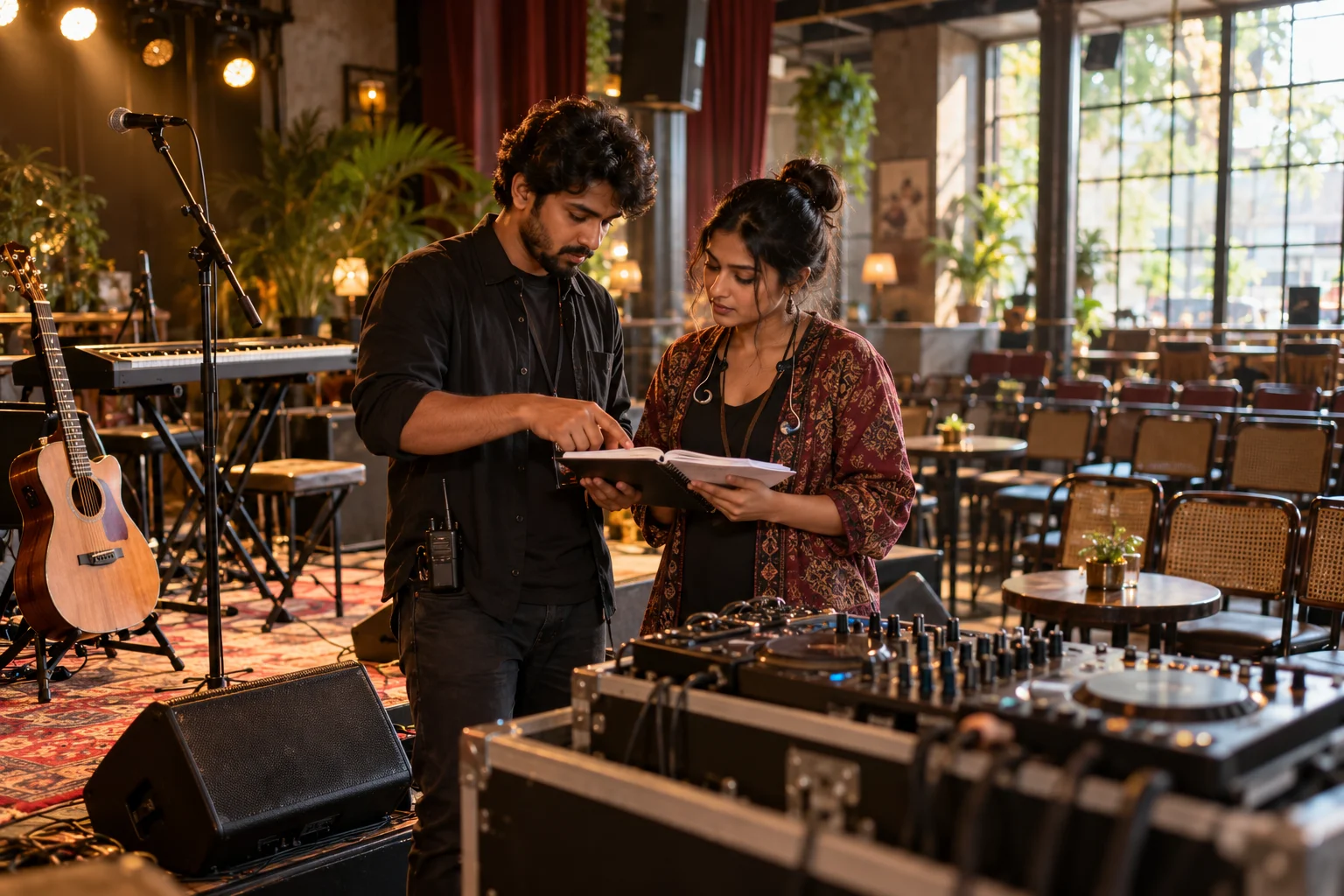
What WhatsApp marketing means
WhatsApp marketing is sending updates, offers and reminders to customers on the app most Indian buyers already check daily. GullySales sets up business WhatsApp, writes the message templates and keeps the list consented and current.
Also for bars, pubs and microbreweries
- Lead generation for bars, pubs and microbreweries
- SEO for bars, pubs and microbreweries
- Local SEO for bars, pubs and microbreweries
- Social media marketing for bars, pubs and microbreweries
- Content marketing for bars, pubs and microbreweries
- Buyer personas for bars, pubs and microbreweries
- CRM for bars, pubs and microbreweries
- Follow-up systems for bars, pubs and microbreweries
Sales and marketing for bars, pubs and microbreweries, the overview.
Last updated 22 Oct 2026.
For bars, pubs and microbreweries
Where it usually goes wrong, and what we would do.
“Groups plan inside a chat”
The organiser pastes your number into the group and asks if anyone objects. A business profile with hours, location and a menu link makes that paste look professional.
“Broadcasts need agreement”
A message about an event night, sent to someone who never agreed, is reported as spam. Ask at booking and offer a simple way to stop.
“Event messages should carry no drink content”
Rules on alcohol advertising differ by state. Announce the band, the match and the kitchen, with the booking link, and nothing about drinks or prices.
“Cancellations and no-shows need a rule”
A table held for ten and a group that never arrives costs a Friday night. A confirmation message that states the hold time and asks for a reply the day before gives the host a reason to release the table.
What we do
What we deliver for bars, pubs and microbreweries.
Every deliverable, what it covers for you, and the result it is there to produce. Nothing here is an extra.
Business account profile
Name, address, hours, description and website filled in, with the booking form linked.
Result: A group sees a real venue.
Saved replies
Ready answers for availability, seating, food, entry policy and cancellations.
Result: The host answers in a few taps.
Event broadcast list
A list of guests who agreed to hear about events, grouped by interest such as music or match nights.
Result: Announcements reach those who want them.
Booking confirmation message
A message with date, time, group size, hold period and the entrance.
Result: The booker has everything in one place.
Opt-out routine
A line in each broadcast and a process for removing a number at once.
Result: Guests can stop messages without friction.
Reply for a late or changed booking
A saved message for the group that is running late or has grown, stating how long the table is held and who to message at the door.
Result: The host handles a change without a call from the floor.
Match-night and music-night announcements
Templates for the band, the screening or the quiz night that give the date, entry rule and booking link and leave out drinks, brands and prices.
Result: Event notes stay within the venue's own rules.
How the result is measured
- Messages delivered
- Reply rate
- Enquiries from WhatsApp
Recorded as a baseline before work starts, so every later report has an honest comparison.
Who it is for
This is written for these bars, pubs and microbreweries.
- Microbreweries and brewpubs with their own brewing floor
- Sports bars with screens for cricket and football
- Rooftop lounges and terrace bars
- Gastropubs where food carries the evening
- Live music venues and open-mic pubs
- Hotel bars and restaurants with a licensed bar
- Standalone neighbourhood pubs
- Club and lounge venues for private parties
How it works
How the whatsapp marketing work runs
The work itself, in order. How an engagement starts, from your brief to a written scope, is set out on our method page.
- 1
Understand current WhatsApp use
We review how customers currently message you and how consistently, if at all, it is answered.
- 2
Audit common questions
We identify the questions that come up repeatedly, which decide what should be automated first.
- 3
Set up automation and templates
An automated first response and quick reply templates are built for the most common needs.
- 4
Connect to the CRM
Conversations are linked to customer records so context carries over between team members.
- 5
Measure and optimise
We track response time and conversion, refining automated responses based on what customers actually ask.
Where this fits
Three pieces of sales work, in this order.
This work sits inside sales process design, at stage 0, foundation. The audit comes before it, and sales management keeps it running.
Step 1
Sales audit
Find where deals are being lost and what to fix first.
Start here if you cannot say where orders are lost.
Step 2 · you are here
Sales process design
One written way to sell, from first enquiry to repeat order.
Start here if every salesperson sells differently.
Step 3
Sales management
A target, a review routine and someone who owns the number.
Start here if the team has targets and no routine.
FAQ
Questions owners ask before they call.
Not here? More answers, or ask on WhatsApp.
Can we add regulars to a group?
What should an event message say?
Do we need the business app?
How much does it cost?
How long is the contract?
How soon will we see results?
Who will actually do the work?
What do you need from us?
What if we are not happy with the work?
More for bars, pubs and microbreweries
Everything else we would do for you.
Or start from the overview: sales and marketing for bars, pubs and microbreweries.
Your next practical step
Tell us what you are trying to grow, and we will read it before we call.
Eight short steps, mostly taps. Skip anything you would rather answer on the call.