Industries · Hospitality, Travel & Food
A hotel is booked through whoever sits between the guest and the front desk.
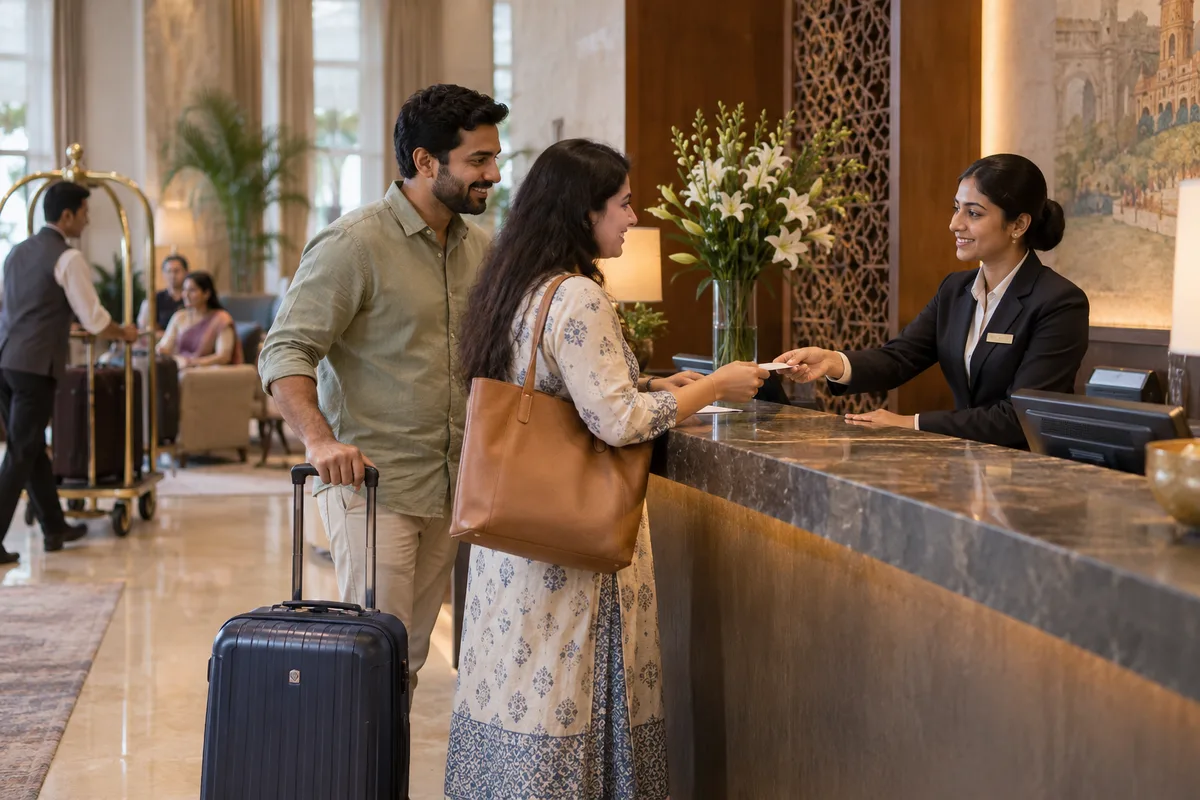
A travel desk at a company in Pune needs six rooms for next Tuesday. It checks the corporate rate list, opens the booking app, and writes to three hotels. The reservations desk that replies first with a rate, the inclusions and a named person gets the booking, and the other two never see the shortlist.
Scope, fee, reporting and term are agreed in writing after we have read your brief and spoken to you.
In one paragraph
Hotels here means full-service properties with a reservations desk, from luxury and business hotels to budget, boutique, heritage and convention hotels. GullySales looks at how a travel desk, planner, agent or booking app reaches your rooms and halls, how fast reservations replies in writing, and how a past guest books you direct.
A luxury hotel, a business hotel, a budget hotel, a boutique hotel, a heritage hotel and a convention hotel sell to different buyers. They share a reservations desk, rooms or halls that cannot be sold after the night or the date has passed, and a buyer who usually arrives through someone else. Where they differ is who that someone is: a travel designer, a corporate desk, a tour operator, an event planner or an app.
Last updated 18 Oct 2026. Rules on what you may advertise differ by trade and change. This page describes them in general terms only, so check the current position with your own adviser or regulator.
6 kinds of business
Each kind of business in luxury, business & budget hotels sells a little differently.
Open the page closest to yours for how its buyers choose and what we would fix first.
Luxury hotels
Suites sell through an OTA at a discount, so the work is a direct enquiry path, written replies from reservations, a list of travel designers and a record of returning guests.
Read the page for luxury hotelsBusiness hotels
Weekday rooms go to travel desks and frequent travellers, so the corporate account list, the rate contract record and a Maps listing that appears for the nearby IT park count for more than lobby photographs.
Read the page for business hotelsBudget hotels
Guests search for the station, bus stand or hospital and pick on a clean photograph, a visible price and an answered phone. Regulars who rebook on the app each time are the commission to win back.
Read the page for budget hotelsBoutique hotels
Ten to thirty rooms sold on character. The story sits in the owner's head, and Instagram followers become bookings only when a message route leads to the hotel's own booking.
Read the page for boutique hotelsHeritage hotels
Tour operators sell the property they can describe, so the building's history has to be told truthfully and in its own words. Event enquiries and the hot, wet months need a process of their own.
Read the page for heritage hotelsConvention hotels
The buyer is an event planner or corporate admin comparing halls, capacity and catering. The sale runs through a quote, a site visit and a signed date, and weddings compete for the same halls.
Read the page for convention hotelsWhat they share
What usually goes wrong across luxury, business & budget hotels.
Whichever of these you run, you will probably recognise most of them.
“Someone else holds our buyer”
A travel designer, a corporate travel desk, a tour operator, an event planner or a booking app brings our guests to the door. We do not have the guest's number or a reason for the guest to come to us the next time.
“Reservations replies slower than the buyer shops”
An enquiry arrives by email, phone, WhatsApp or an app message, and the reply waits for whoever is on shift. The buyer who has written to three hotels books the one that answered with a rate and what it includes.
“Our Maps and listing pages are not kept as carefully as the lobby”
Guests search for the hotel by the name of a station, a hospital, an office park or a fort, and read the pin, the hours, the photographs and the reviews before they call. A wrong detail on any of them costs the enquiry.
“One rate sheet has to serve very different buyers”
A walk-in, an app guest, a company on a contract, a tour operator and an event planner each get a different price. When the sheet is out of date or held in one person's head, the front desk quotes differently on the same day.
“Rooms and halls are not sold on the quiet days”
The week, the season, the festival or the wedding date decides what fills. The days around them get no offer aimed at anyone until the date is close and the rate is cut.
“A returning guest is a stranger to us”
A guest stays twice and the register holds a name and a phone number, nothing on the occasion or what they asked for. The next booking goes to whichever channel the guest opens first.
Where to start
What to fix first in luxury, business & budget hotels.
In the order we would look at them. Your own enquiry records may change the order, and we would say so.
- Write the reply that reservations sends for each kind of enquiry, with the rate, what it includes and a named person, and send it in the channel the buyer used.
- Correct the Google Maps pin, hours, phone number and photographs, and answer every review in public.
- Make one current rate sheet for each buyer type and give the front desk the same copy.
- Build a list of the travel desks, designers, operators or planners who send us guests, and write to them directly with something specific to the property.
- Record every guest with the occasion, dates and what they asked for, and ask for the direct booking on the next occasion.
- Decide the offer for the dates that will not fill, and aim it at a named buyer before the date arrives.
Related services
The work that usually comes up.
Which of these you need is decided after we have read your brief.
- Local SEOShow up on the map when someone searches near your shop.
- Google Business Profile managementBe the pin on the map that shows correct hours and actually answers reviews.
- Lead response and follow-upMore enquiries turned into orders, for teams that reply late and follow up once.
- Online review generation and managementYour customers are happy, and your Google page still shows only a few reviews.
- Customer reactivationWin back the customers who stopped ordering and were never asked why.
- WhatsApp sales processThe deal lives in a salesperson's personal WhatsApp and leaves when he does.
- Festive and seasonal advertisingBook the Diwali slot in August, because by October there is nothing left.
FAQ
Questions about luxury, business & budget hotels.
Not here? More answers, or ask on WhatsApp.
How do I get guests who return to book direct and not through the app?
What should a reservations reply contain?
How do I deal with travel desks and agents who ask for a rate?
Do I need a separate page for the restaurant, spa or halls?
How should I reply to a bad review?
How do I price the quiet days without cheapening the hotel?
How long is the contract?
How soon will we see results?
Who will actually do the work?
What do you need from us?
More in Hospitality, Travel & Food
Looking for a single trade? See every industry.
Your brief
Tell us what you need, and we will read it before we call.
Eight short steps about your business, what you want and who decides. Most questions are a tap, and you can skip any you would rather answer on the call.
Your next practical step
Tell us what you are trying to grow, and we will read it before we call.
Eight short steps, mostly taps. Skip anything you would rather answer on the call.