Luxury hotels · Website
A luxury hotel website should sell the stay and make asking easy.
A website for a luxury hotel is the one place where you control the photographs, the story and the route to a reservation. GullySales works on the suite pages, the mobile experience, the enquiry path and the content that lets a guest decide without leaving.
Scope, fee, reporting and term are agreed in writing after we have read your brief and spoken to you.
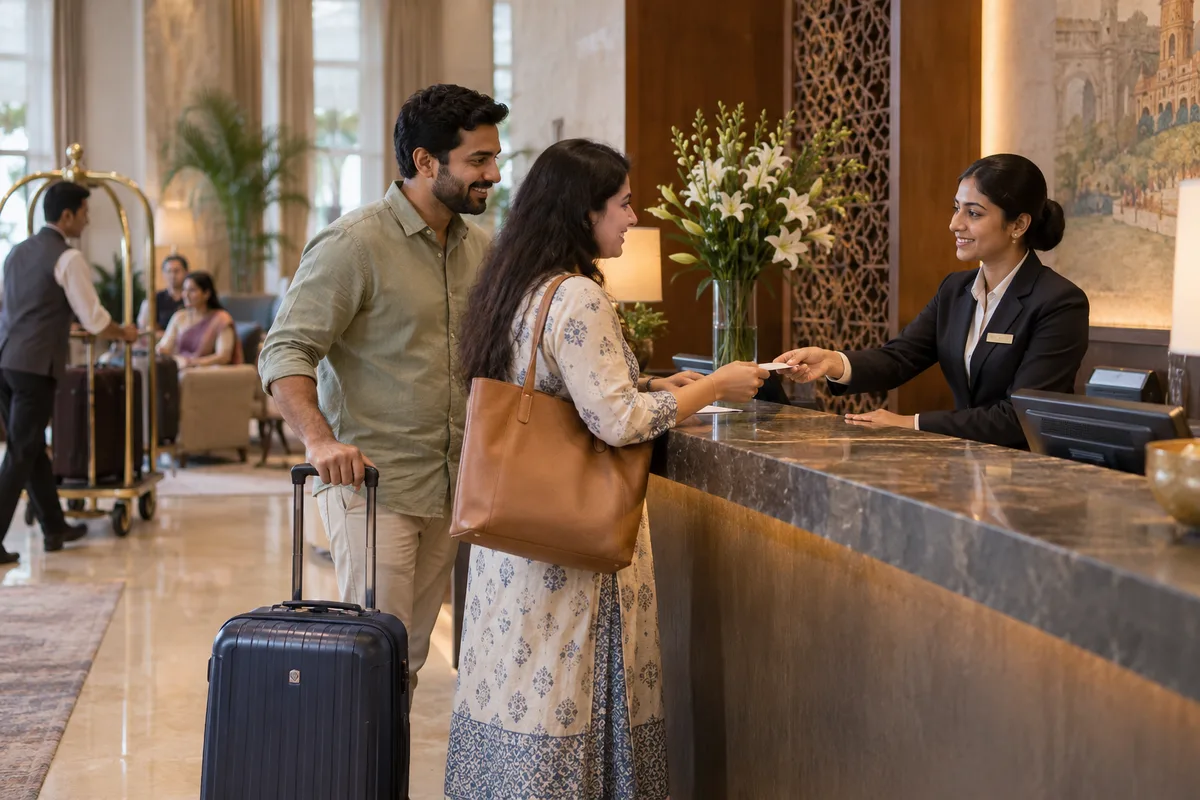
What website means
A website is the page a customer lands on after searching, clicking an advert or scanning a code, and it decides whether they call or leave. GullySales builds and maintains sites that load quickly, explain the offer plainly and make the enquiry form or phone number easy to find.
Last updated 18 Oct 2026.
For luxury hotels
Where it usually goes wrong, and what we would do.
“The site is compared with a booking app in seconds”
A guest opens your site beside an app that loads at once and shows rates plainly. If your site is slow, heavy with video or unclear on how to ask, the guest goes back to the app.
“The photographs must show what the guest will see”
A page of wide lobby shots tells nothing of the suite. A guest wants the bed, the bath, the view at the hour they will be there and the table where dinner is served.
“Booking engines and enquiry forms pull in different directions”
A guest planning a wedding or a long stay does not want an instant booking tool. They want to speak to someone. The site needs both routes, each clear about what it is for.
What we do
What we deliver for luxury hotels.
Every deliverable, what it covers for you, and the result it is there to produce. Nothing here is an extra.
Suite and room pages rebuilt
Each suite shown with real photographs, a plain description, features, policies and a clear way to ask or book.
Result: A guest can judge the suite without calling.
A mobile-first review
A check of speed, buttons, images and forms on the phones your guests use, with fixes listed in order.
Result: The site works well in a hand.
Enquiry routes for each purpose
Separate paths for a stay, a wedding, a meeting and a dining table, each with the right form or WhatsApp link.
Result: A guest finds the right door at once.
Trust content
Accreditation, press mentions that are real, location details, policies and an honest view of what is included.
Result: The questions guests worry about are answered.
Tracking and handover
Analytics, form and call tracking set up, with a simple guide so your team can edit prices and offers.
Result: You can change the site without waiting for us.
How the result is measured
- Page load time
- Bounce rate
- Enquiries from the website
Recorded as a baseline before work starts, so every later report has an honest comparison.
Who it is for
This is written for these luxury hotels.
- Five-star city hotels in metro cities
- Luxury business hotels near airports and financial districts
- Palace-style and lakeside luxury properties
- Luxury hotels inside hill-station and beach destinations
- Hotels with an all-suite or villa wing
- Hotel groups with a single flagship luxury property
- Independent owner-run luxury hotels
- Luxury hotels attached to a wellness or golf offer
How it works
How the website work runs
The work itself, in order. How an engagement starts, from your brief to a written scope, is set out on our method page.
- 1
Confirm structure and content
We agree the site's pages and content needs before design begins, drawing on website strategy where it exists.
- 2
Design the site
Every page is designed against your brand identity and checked for how it should convert a visitor.
- 3
Build and test
The site is developed and tested across devices and browsers before anything goes live.
- 4
Load real content
Actual copy, images and information about your business replace placeholder content before launch.
- 5
Launch and hand over access
The site goes live with domain, hosting and content management access clearly handed to you.
Where this fits
Three pieces of sales work, in this order.
This work sits inside sales process design, at stage 1, prospecting and lead generation. The audit comes before it, and sales management keeps it running.
Step 1
Sales audit
Find where deals are being lost and what to fix first.
Start here if you cannot say where orders are lost.
Step 2 · you are here
Sales process design
One written way to sell, from first enquiry to repeat order.
Start here if every salesperson sells differently.
Step 3
Sales management
A target, a review routine and someone who owns the number.
Start here if the team has targets and no routine.
FAQ
Questions owners ask before they call.
Not here? More answers, or ask on WhatsApp.
Should we replace the booking engine?
How long should the site be?
Do we need a site in other languages?
How much does it cost?
How long is the contract?
Who will actually do the work?
What do you need from us?
What if we are not happy with the work?
More for luxury hotels
Everything else we would do for you.
Closest to this: search and visibility
Also for luxury hotels
Or start from the overview: sales and marketing for luxury hotels.
Your next practical step
Tell us what you are trying to grow, and we will read it before we call.
Eight short steps, mostly taps. Skip anything you would rather answer on the call.