Cafes and coffee shops · Vehicle branding graphic design
Put the cafe's name on the delivery bike and the catering van.
Vehicle branding graphic design for a cafe is the artwork that puts the name, one message and a contact route on a delivery bike, a catering van, a coffee cart or a food truck. GullySales draws the livery for each vehicle, reads the panel layout, and hands over print-ready files with a specification sheet; sign-writing, wrapping and fitting stay with your sign maker.
Scope, fee, reporting and term are agreed in writing after we have read your brief and spoken to you.
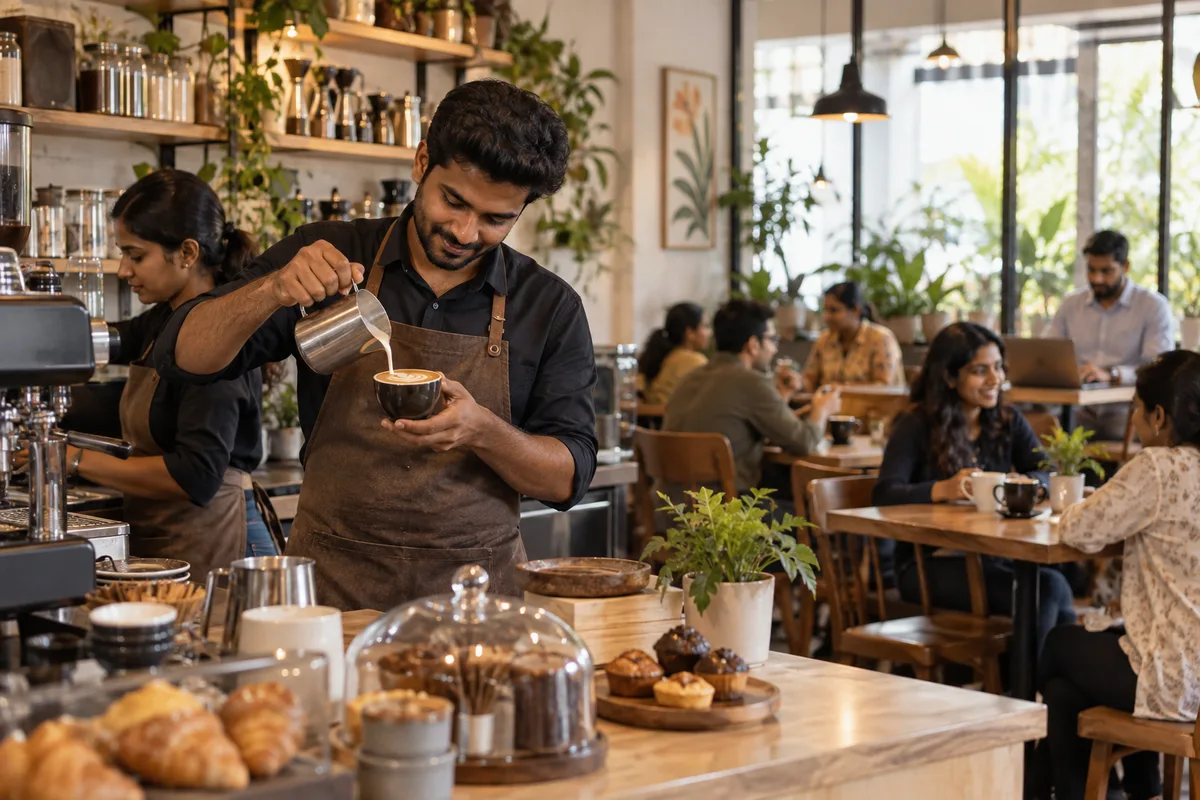
What vehicle branding graphic design means
Vehicle branding graphic design is the artwork that puts a business's name, offer and contact route on a car, van, truck, bus or auto-rickshaw. GullySales designs the livery for each vehicle type, reads the panel layout, and hands over print-ready files with a specification sheet, while sign-writing, wrapping and fitting stay a separate scope.
Also for cafes and coffee shops
- PPC ads for cafes and coffee shops
- Meta advertising for cafes and coffee shops
- Coupon and voucher design for cafes and coffee shops
- Retail store signage design for cafes and coffee shops
- Point-of-purchase display design for cafes and coffee shops
- Branding for cafes and coffee shops
- Buyer journey for cafes and coffee shops
- Buyer personas for cafes and coffee shops
Sales and marketing for cafes and coffee shops, the overview.
Last updated 14 Nov 2026. Rules for this trade differ by state and professional body, and they change. We describe restrictions in general terms, so check the current position with your own council or adviser before you publish anything.
For cafes and coffee shops
Where it usually goes wrong, and what we would do.
“The vehicle is seen for seconds”
A delivery bike passes a junction, a van waits at a loading gate, a cart stands at the edge of a market. Nobody studies it. They catch a name and a colour, and perhaps one line. The design must therefore put the cafe's name first, one message second and the way to order third, in letters large enough for a driver in the next lane. A menu on a van door is unreadable at that distance.
“A bike, a van and a cart are three surfaces”
Cafes start with a delivery bike and later add a van for catering or a cart for events. Each has different curves, panel joins and sizes, so a design drawn for one will not simply stretch to the next. A shared set of elements, drawn once and then adapted per vehicle, keeps the three looking like one place without squeezing a van-sized layout onto a pannier box.
“Food vehicles carry rules of their own”
A vehicle that carries food or sells it may have to display a licence line, a registration detail or a hygiene mark, and some places restrict what a moving vehicle may advertise. We leave a clear place for any required line, but what it says and whether it is needed is for your own adviser or local authority to confirm, and rules differ from place to place.
“Hired and leased vehicles limit the work”
A cafe that rents its delivery van or borrows a rider's bike cannot always wrap it, and some agreements require it to be returned unmarked. Removable panels, magnetic signs or a branded delivery bag may be the only workable route. We design for what the arrangement allows, so the artwork can be fitted without a dispute when the vehicle goes back.
What we do
What we deliver for cafes and coffee shops.
The work available for this need. We agree the deliverables and responsibilities for your engagement in writing.
Vehicle template review
The design starts from a template or measured outline of the exact vehicle: the bike's box, the van's sides, the cart's counter. We mark door handles, lamps, glass and panel joins, and the areas that cannot carry the name or contact route.
Result: Every important element sits clear of the joins and handles marked on the template.
Livery concept for the lead vehicle
One concept drawn on the main vehicle in side, rear and front views. It shows the cafe's name, logo, one message and the way to order in the order they should be read, so the first decision is made on a whole vehicle and not on a flat poster.
Result: The cafe's name can be read from the far side of a junction on the approved concept.
Colour and contrast plan
A plan for how your brand colours sit on the body colour of the vehicle, including what happens at dusk, in rain and on a dirty panel. It names where a plain background shape is needed behind text.
Result: The name stays readable on the mock-up with the body colour, a wet surface and a dim light.
Scaled versions for the other vehicles
Once the lead design is agreed, we adapt it to the other vehicles you run. The shared elements stay fixed and the layout flexes to each surface, so a bike, a van and a cart read as one cafe.
Result: Placed side by side, the vehicles are recognisable as the same business.
Branded delivery bag and box artwork
Where the cafe's riders carry food in a bag or a box, we draw the artwork for that too, since it is the part of the vehicle a customer sees up close at the door. It uses the same name, colour and mark as the vehicle.
Result: The bag and the vehicle share one look when a rider arrives at the customer's door.
Print-ready files and specification sheet
Press-ready artwork with bleed, scale and colour values, plus a sheet listing every panel, its size and the material the sign maker should use. The sheet names what must stay clear for doors, lamps and plates.
Result: The sign maker can quote and fit from the sheet without asking us what each file is.
How the result is measured
- Vehicles in the fleet carrying the agreed livery
- Enquiries that mention seeing a vehicle
- Calls to the number printed on the vehicle
Recorded as a baseline before work starts, so every later report has an honest comparison.
Who it is for
This is written for these cafes and coffee shops.
- Independent single-outlet cafes
- Specialty coffee roasters with a cafe
- Cafes inside co-working spaces
- Bakery cafes
- Cafe chains opening new outlets
- Cloud kitchen and delivery-only cafes
- Cafes attached to bookstores or art spaces
- Late-night and student-area cafes
Before you decide
Agree the work. Know how to judge it.
Vehicle branding graphic design for cafes and coffee shops: use these checks to prepare, choose the scope, and review what changes.
Bring the right evidence
Collect the sales presentation, website, quotations, and other material buyers actually see. Mark where the description of the business changes or where a claim has no supporting evidence.
Make the scope clear
Agree whether the work concerns the offer, the words, the visual identity, or all of them. List the formats that need updating and who owns the final approval.
Check the work in use
Test the proposed direction on a real sales page or proposal. A buyer should be able to tell who the offer is for, what is different, and what evidence supports it.
Know when to change course
A new identity will not fix an unresolved service problem. Put the delivery issue right before making a stronger public promise about it.
These are discussion points, not a fixed package. GullySales confirms the deliverables, responsibilities, fee, and term in writing after reading your brief and speaking with you.
Before we start
What to have ready before the work starts.
The records, access and decisions this work needs from cafes and coffee shops. Anything missing is noted in the written scope, with who will supply it.
- Photographs and measurements
- Send clear photographs of each vehicle from four sides, with the make, model and measurements of the box or panel. A bike with a specific carrier needs its own template. Without them, we design for a generic outline that may not fit.
- Your logo and brand files
- Provide the logo in its original files, colour values and fonts you are licensed to use. If the cafe has no identity yet, logo and visual identity design comes first, because the livery borrows from it and cannot invent one.
- Ownership and lease terms
- Tell us whether you own, lease or rent each vehicle and what the agreement says about markings. This decides between a wrap, painted lettering or magnetic panels. Missing it can mean artwork that the owner of the vehicle will not allow.
- Any line the vehicle must display
- Find out from your own adviser or the local authority whether a licence line, registration detail or hygiene mark is required, and bring the exact wording. We leave a place for it, but we do not decide what it says.
- A sign maker, named early
- Name the sign maker or ask us what to request. Their material and fitting limits shape the artwork. If they are chosen after the design, we may need to redraw panels that their process cannot produce.
How it works
How the vehicle branding graphic design work runs
The work itself, in order. How an engagement starts, from your brief to a written scope, is set out on our method page.
- 1
List every vehicle and who uses it
We list each vehicle by type, make and model, and note whether the cafe owns it, leases it or borrows it. We ask who drives it, where it parks and which journeys it makes, since a van that sits outside a client's office is seen differently from one in traffic.
- 2
Collect the brand files and the lines
We gather the logo files, colours and type, and ask whether a menu board or cup design already sets the look. We also ask what the vehicle must show, such as a licence line, and who at the cafe or the authority confirms it.
- 3
Study how it will be seen
We decide the viewing distance and angle: from behind in traffic, beside a loading bay, across a street market. These set the size and the order of the name, message and way to order. A delivery bike gets less text than a catering van.
- 4
Draw the lead vehicle
We draw one concept on the vehicle's template with joins and no-go areas shown. You review it as a whole vehicle. We record the decisions that fix the order of name, message and contact, so the later vehicles follow the same hierarchy.
- 5
Extend to the rest and prepare files
We adapt the approved design to the other vehicles and the delivery bag, then build the artwork files and the specification sheet. You approve each vehicle, and any fitting question from the sign maker is answered from the sheet.
- 6
Read it after fitting
Once the vehicles are fitted, we compare photographs of them with the approved concept and with the notes taken at the start. We check readability from the planned distance and whether the contact route is the one people actually use.
Where this fits
Three pieces of sales work, in this order.
This work sits inside sales process design, at stage 1, prospecting and lead generation. The audit comes before it, and sales management keeps it running.
Step 1
Sales audit
Find where deals are being lost and what to fix first.
Start here if you cannot say where orders are lost.
Step 2 · you are here
Sales process design
One written way to sell, from first enquiry to repeat order.
Start here if every salesperson sells differently.
Step 3
Sales management
A target, a review routine and someone who owns the number.
Start here if the team has targets and no routine.
FAQ
Questions owners ask before they call.
Not here? More answers, or ask on WhatsApp.
Can one design fit my bike, van and cart?
Do you do the wrapping or the fitting?
What goes on a vehicle that carries food?
How much text should a delivery bike carry?
I rent my delivery van. Can it be branded?
Will a branded van bring in more orders?
How long is the contract?
How soon will we see results?
Who will actually do the work?
What do you need from us?
From the blog
Further reading for cafes and coffee shops.
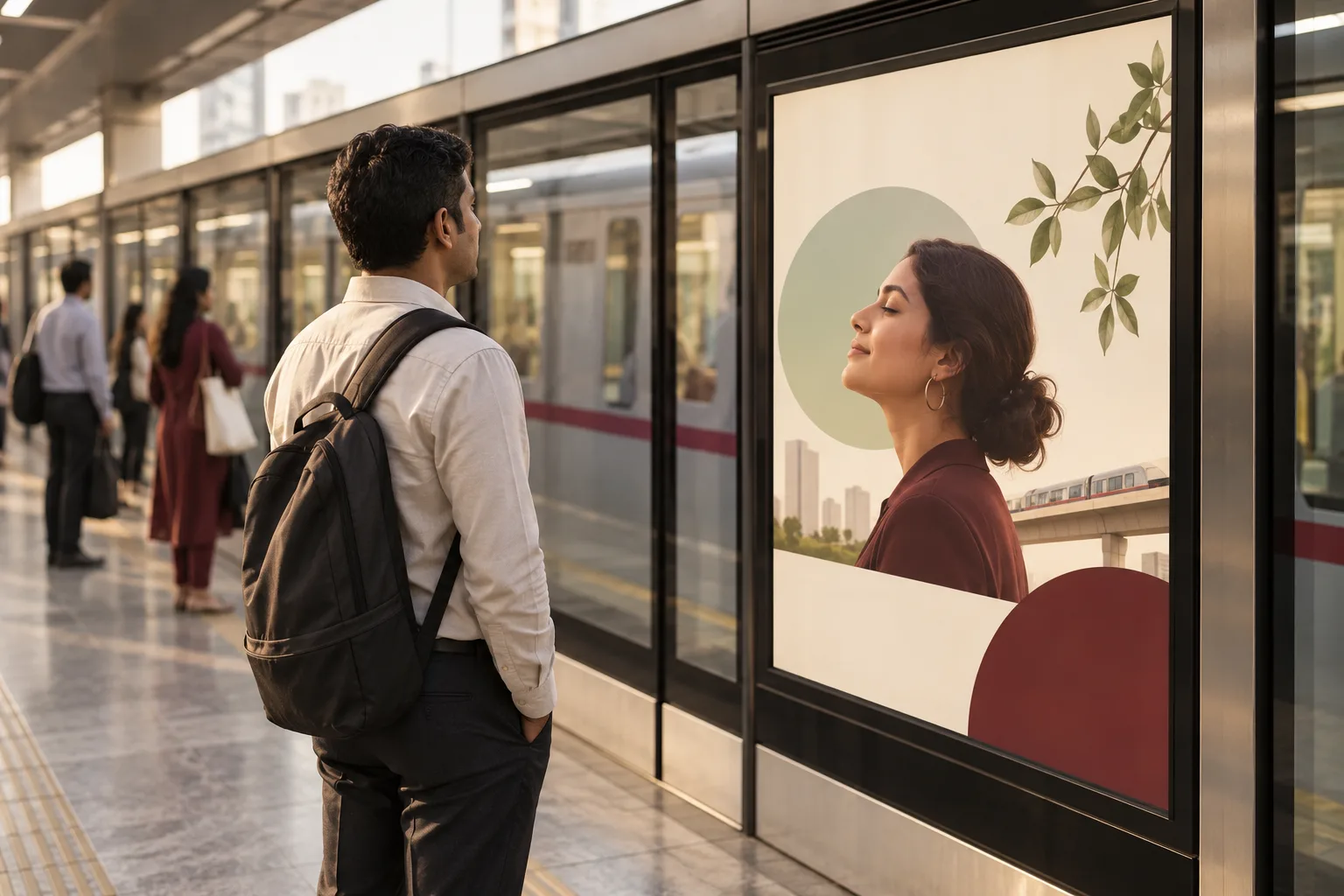 7 min read · 21 Sept 2026How to design metro and transit advertisingA commuter stands still in front of a platform panel for four minutes and passes the same one twice a day for a month. Design for the sixth viewing.
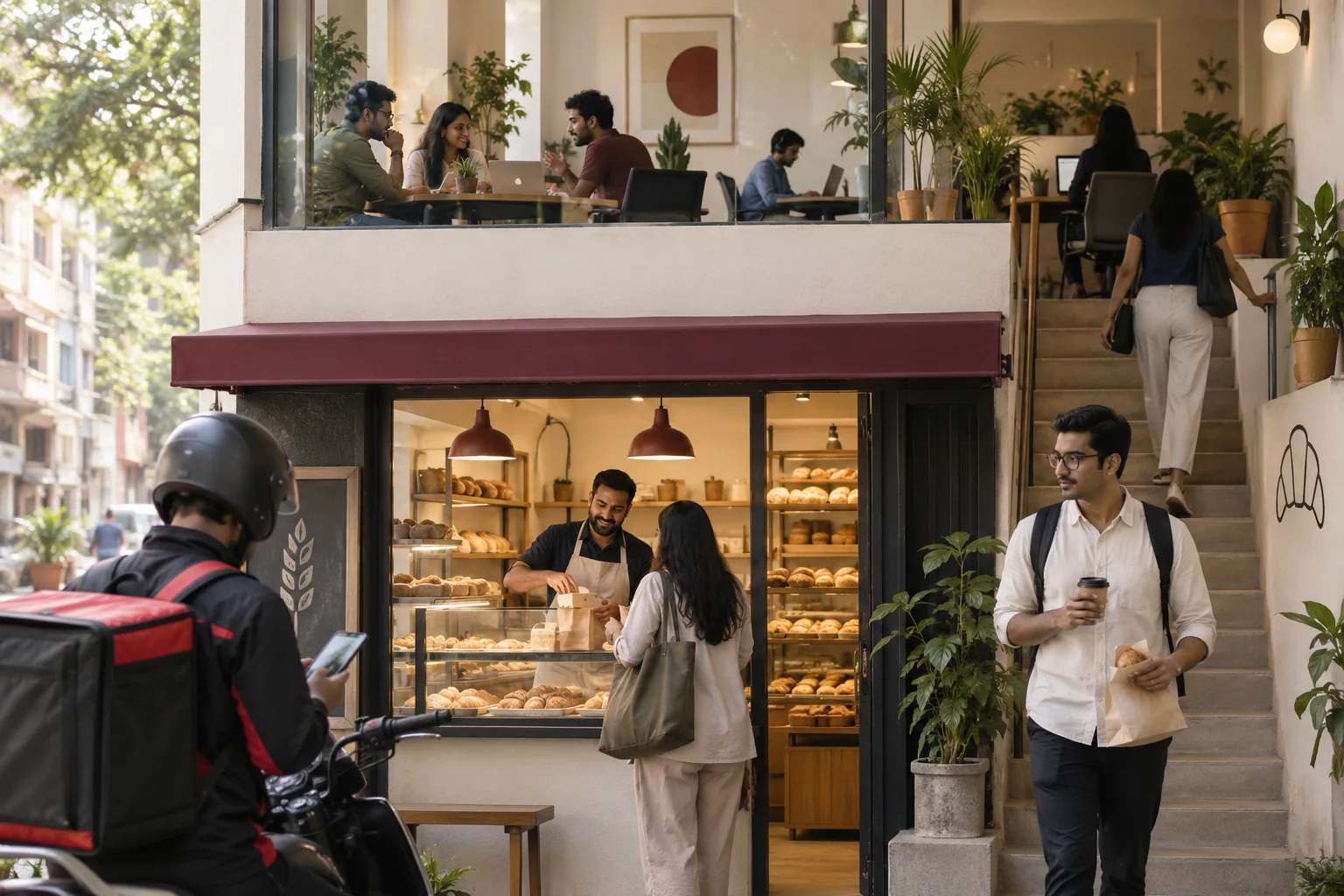 7 min read · 21 Sept 2026How to advertise to startup employeesThere is no tech park to buy. A forty person company sits above a bakery, so the audience is the neighbourhood, the delivery app and the coworking floor.
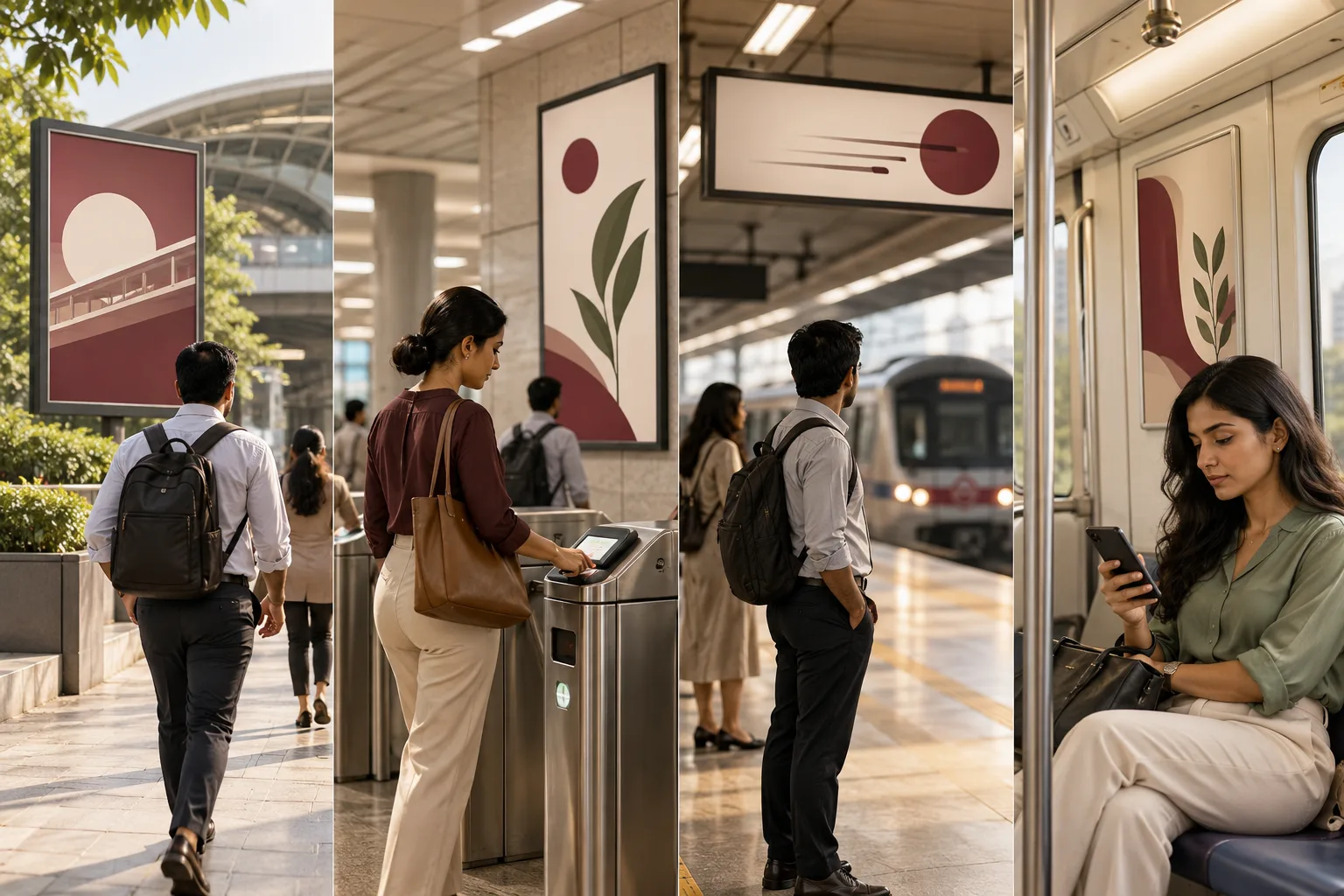 7 min read · 21 Sept 2026How to advertise to metro commutersA commuter is a mode, not a person. The journey has four still moments, each needing different creative, so one design across a station fails.
More for cafes and coffee shops
Related work to consider.
Closest to this: paid and media
Also for cafes and coffee shops
Or start from the overview: sales and marketing for cafes and coffee shops.
Your next practical step
Tell us what you are trying to grow, and we will read it before we call.
Eight short steps, mostly taps. Skip anything you would rather answer on the call.