Manufacturing · Packaging Manufacturing
A brand's label job is a few thousand pieces, and what we want is the job that keeps coming back.
Labels are bought by the roll, in runs that are small but come back. A brand that approves your label once will reorder as stock runs out, which makes the first approval worth far more than the first invoice.
Scope, fee, reporting and term are agreed in writing after we have read your brief and spoken to you.
In one paragraph
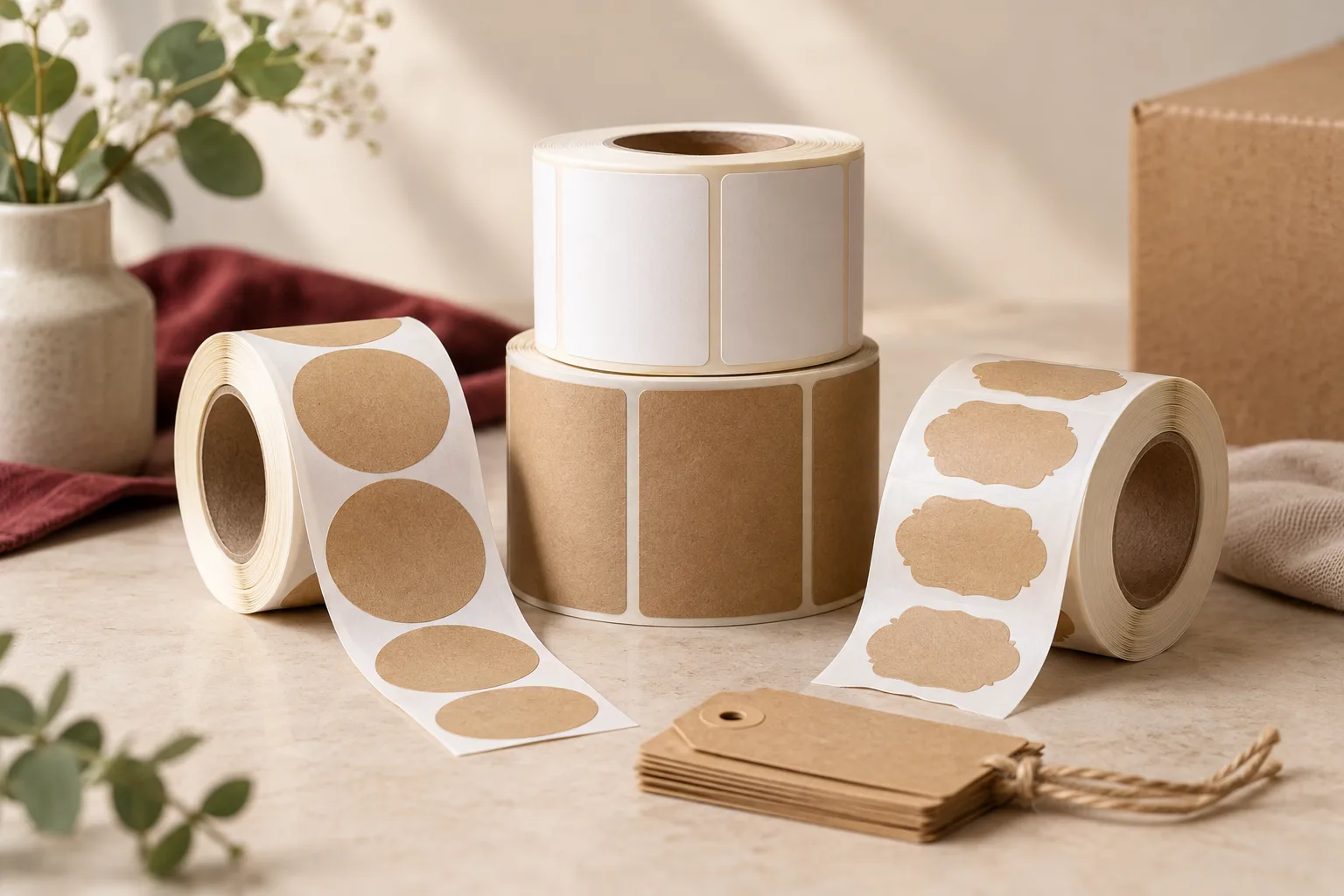
Label manufacturing is the printing of adhesive, wrap-around and shrink labels on paper, film or other materials for products and shipments. GullySales helps a label printer win brand owners who reorder, and handles the substrate, artwork and quantity questions before the quotation.
The buyer worries about adhesion, print clarity and whether the label survives cold, damp or oil. Those worries are specific to the product, so your answers have to be specific too.
Last updated 16 Oct 2026.
Who it is for
This is written for you if labels is what you make or sell.
- Narrow-web label printers with flexo or digital presses
- Printers supplying product labels to food, cosmetics, chemical and pharma brands
- Units making barcode and shipping labels for logistics and retail
- Printers who make shrink sleeves or wrap-around labels for bottles
- Shops with a digital press and no steady source of short-run work
Not for
It is not the right fit if.
- A general printer who prints a label now and then and does not plan to build a label line
- A unit that cannot say what adhesive and face material it stocks
How buyers choose
What decides the sale of labels.
Substrate and adhesive for the product
A label for a refrigerated tub, an oily bottle and a plain carton are different jobs. The buyer wants to be asked what the label sticks to and what conditions it faces.
Artwork, colour match and the first proof
The brand sends artwork and expects the printed colour to match their reference. A proper proof and a colour sign-off are where trust starts.
Roll specification for the applicator
Core size, roll diameter, unwind direction and labels per roll must match the buyer's labelling machine, and getting it wrong spoils the whole run.
Short runs and variable data
Many brands want small batches with batch numbers or barcodes. A printer who can say what digital printing offers wins them.
Where orders are lost
What usually goes wrong when you sell labels.
In the words owners use on the first call.
“The labels did not stick in the cold room”
A wrong adhesive loses a customer in one delivery. Without asking about the surface and storage, you find out too late.
“We win one-off jobs but not standing orders”
A buyer asks for a quote, orders once and disappears. Nobody calls again when their stock should be running low.
“Brands cannot tell what we print on”
Your website says 'labels' and nothing more. A buyer searching for a freezer-grade or tamper-evident label has no reason to click.
The scope
The work we would propose for labels.
Measured on qualified enquiries, quotation requests, follow-up on each quotation, orders won and, where you sell through dealers or shelves, repeat orders by channel. Anything here that needs a platform, directory or tool we have not used with you is confirmed with you before it goes in the scope.
- Pages by label type and usePages for freezer labels, tamper-evident labels, shrink sleeves, barcode labels and product labels for chemicals, each describing the surface and conditions they suit.
- A requirements form that asks the right questionsA form that asks for the product surface, storage condition, label size, quantity and applicator details, so every enquiry arrives priceable.
- Reorder reminders for brand accountsA note of each brand's usual quantity and last order, with a call when stock should be running low.
- Quotation follow-up after the sample rollA call after a trial roll goes out, asking about adhesion and applicator fit, with the answer recorded.
A substrate and adhesive guide
Work specific to labels: a short guide that lets a buyer choose the right material by the surface and conditions they describe.
What we do
What you get for labels.
Each deliverable and what it is there to change.
A label type and substrate guide
Lets buyers pick the right material themselves and signals that you know what you are doing.
A label enquiry form with surface and roll details
Cuts the back and forth on core size and adhesive so quotations go out the same day.
A reorder tracker for brand accounts
Shows which brands should have reordered by now, so the sales person phones them before a competitor does.
A sample roll with a feedback call
Turns a free sample into a recorded test on the buyer's own labelling line.
How the result is measured
- Qualified label enquiries
- Quotation requests with surface and roll details
- Sample rolls sent and tested
- Standing orders opened
- Repeat orders per brand
- Reorder calls made against stock cycle
Recorded as a baseline before work starts, so every later report has an honest comparison.
How it works
From your first message to the first report.
No open-ended retainer. Every step gives you something in writing.
First
Your brief
You tell us what you need in a few short steps: your business, what you want, where enquiries come from and how they are handled.
After the brief
A conversation and a written scope
We read it, then talk with whoever handles your enquiries. If you want our help, the scope, the fee and the reporting come in writing, and nothing starts before you have read them.
Before work starts
Baseline recorded
The numbers this work is meant to move, such as enquiries, quotations, orders, visits or renewals, written down so every later report has an honest comparison.
After the baseline
The first fix goes live
The fix we agreed to start with is put in place and measured against the baseline, whether that is a reply, a follow-up, a page, a listing or the handover between marketing and sales.
As agreed
Report against the baseline
What moved, what did not, and what changes next, in plain words. How often you get it is set in writing before work starts.
At renewal
Renew on the numbers
The term ends and you decide whether to continue from the results. The length is agreed in writing before anything starts.
What we need from you
What to have ready before we talk.
None of it has to be tidy. We read what you have.
- The label types, face materials and adhesives you stock
- Printed samples on different substrates
- Press types and the widest label you can run
- Existing brand customers and their usual reorder pattern
- Lost quotations with the reasons, if known
Export and new regions
Selling labels beyond your home market.
Where you sell decides standards, documents, payment terms and freight. We work from Bengaluru and have no overseas office, so for a new region we start from your own enquiries, your existing buyers and the directories you already use.
Exporters who need labels in the destination language
Indian exporters of food and goods need labels in the buyer's language and format. They are a nearer market than a foreign brand.
Overseas brands and private-label buyers
Small foreign brands buying short runs of labels from India are a possible market. Start with the export buyers who already know you.
Labelling rules by destination
Labelling content differs by country. The brand owner and their adviser decide what a label must carry, and you print what is supplied.
How do I get brands to give me standing orders?
Should I quote with digital or flexo?
What do I put on the website about adhesives?
How much does it cost?
How long is the contract?
How soon will we see results?
Who will actually do the work?
What do you need from us?
What if we are not happy with the work?
More in Packaging Manufacturing
Makers of labels also need
Looking for the wider industry page? See packaging manufacturers.
This page is part of the manufacturing section. The hub also lists every manufacturing industry we write for.
Why us
Why owners pick GullySales over an agency.
Marketing and sales, as one job
Most agencies stop at the enquiry. We also fix what happens after it: the reply, the follow-up, the quote and the CRM.
The person on the first call does the work
No account managers in between. You are never handed to someone you have not met.
A baseline before anything starts
Your numbers are written down on day one, so every later report compares against something honest.
The fee in writing, split three ways
Our time, your media spend and production on separate lines. You always see what goes to us.
No guarantees we cannot keep
The term is agreed in writing and never a default twelve months. We never promise a ranking or a lead count, because nobody controls those.
One office, and we say so
Nagarbhavi, Bengaluru. We work across India by call and WhatsApp and travel when a session needs to be in person.
#257, 3rd floor, Sri Nanjundeshwara Complex, Nagarbhavi 8th Block, Outer Ring Road. How we work.
Engagement options
Ways to work with us.
Pick the size of commitment that fits. Every option starts with your brief and a conversation.
Option 1
The conversation on its own
A call after you send your brief. It says honestly whether you need outside help, and many fixes are ones your own team can make.
Option 2
One fix, scoped
Start with the fix that matters most, such as reply time or follow-up. The fee is in writing before anything starts.
Option 3
An ongoing programme
We run the work, report against the baseline, and you renew on the numbers. The term and the reporting are agreed in writing first.
Option 4
Guidance for your own team or agency
We plan, brief and check the work of your in-house team or current agency, instead of replacing them.
Your brief
Tell us what you need, and we will read it before we call.
Eight short steps about your business, what you want and who decides. Most questions are a tap, and you can skip any you would rather answer on the call.
Your next practical step
Tell us what you are trying to grow, and we will read it before we call.
Eight short steps, mostly taps. Skip anything you would rather answer on the call.