Manufacturing · Plastics, rubber, packaging and print
Your packaging plant is full of capacity and your order book still depends on three customers.
A packaging converter sells to people who already know what they need. A brand owner has a pack size and a print file, a plant has a carton count per shipment, an exporter has a pallet and a container. They send three converters the same specification and compare the quotations side by side.
Scope, fee, reporting and term are agreed in writing after we have read your brief and spoken to you.
In one paragraph
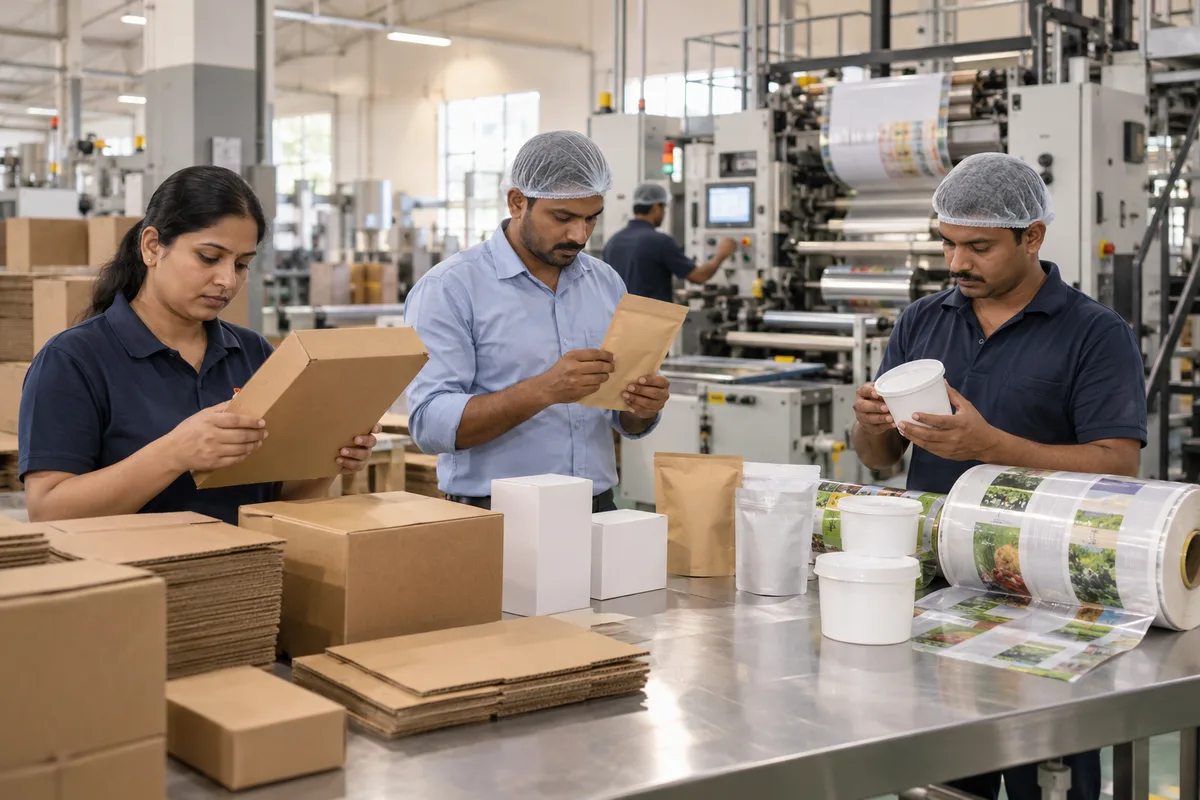
Packaging manufacturing is the making of boxes, pouches, containers, labels and films that other businesses use to hold, protect and sell their goods. GullySales gets a converter found by the buyers who specify packaging, answers their requests for quotation properly, and follows up until a trial order becomes a standing one.
That is where most orders are decided, and it is where converters lose them. The quotation goes out late, or goes out without the sample, or goes out and nobody phones. Meanwhile the buyer's first search, on Google or IndiaMART, found someone else's page because yours listed machines and said nothing about the work.
This page covers the whole segment, from corrugated boxes to packaging films. Each type of packaging below has its own page, because a folding carton buyer and a stretch film buyer do not shop the same way.
Last updated 16 Oct 2026.
8 types of work
Each kind of packaging manufacturing is bought differently, so each has its own page.
Open the one that matches what you make. It covers who buys it, where the order is lost and what we would do.
- Corrugated BoxesEvery box maker in the district quotes the same ply, so why would anyone call you?
- Flexible PackagingOur printing line is the best in the area, but the buyers who need it have never heard of us.
- Rigid PackagingWe make good jars and bottles, and customers still ask a trader for them.
- Carton BoxesBrand owners judge us by the sample carton, and we post it without a word.
 LabelsA brand's label job is a few thousand pieces, and what we want is the job that keeps coming back.
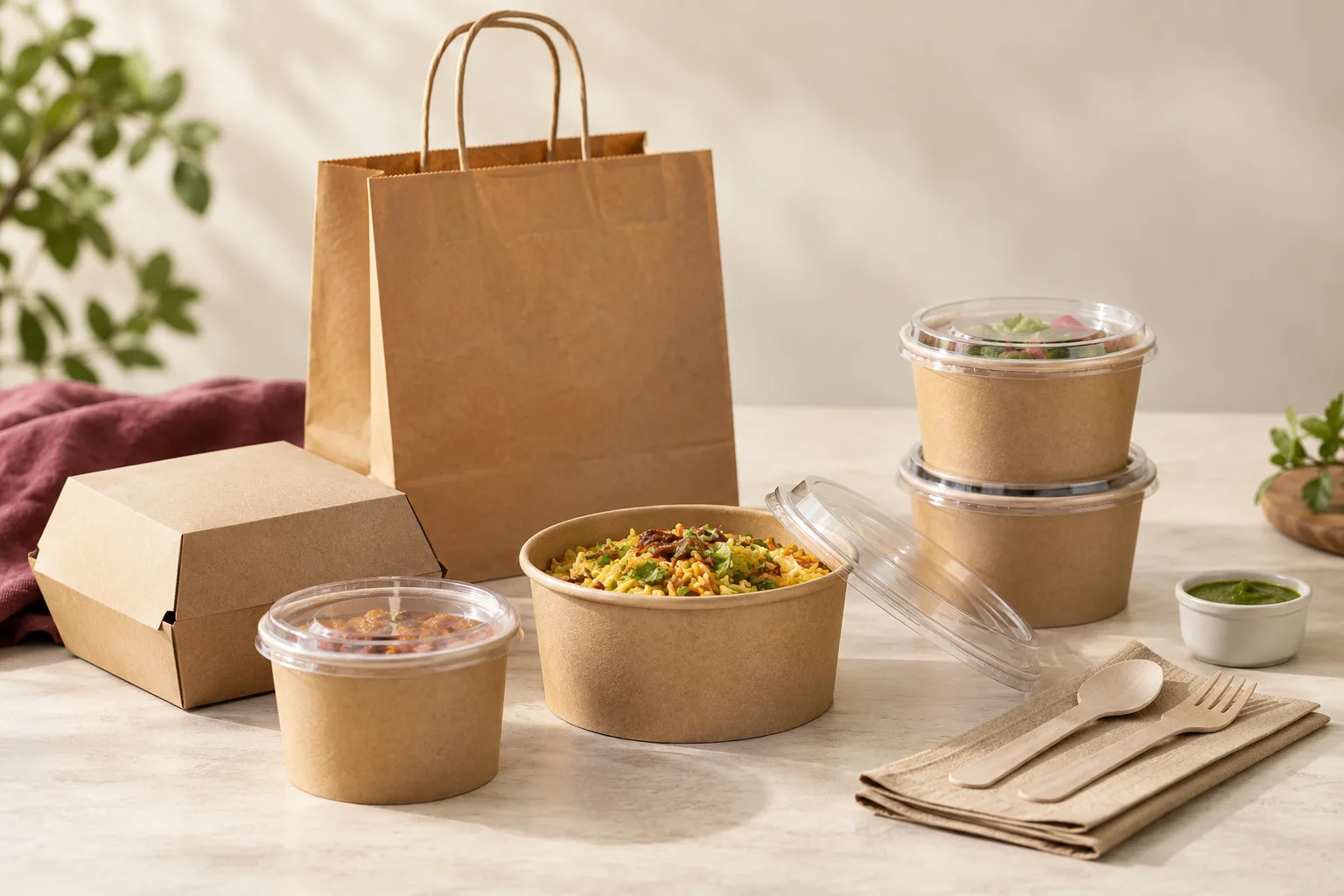 Food PackagingA food brand will not change its packer on a promise, only on a pack that has already worked.
- Industrial PackagingOur crates and drums are strong enough for any plant, but the plant's buyer has a vendor list and we are not on it.
- Packaging FilmsWe sell film by the kilo, and the buyer shops by the kilo, so someone else wins on a rupee.
Who it is for
This is written for you if packaging manufacturing is what you make or sell.
- Corrugated box and carton plants that run mostly on a handful of repeat accounts
- Flexible packaging converters with a printing line and a lamination line to keep loaded
- Label printers and rigid container makers who want brand owners, not just local jobbers
- Packaging film and bag manufacturers selling through dealers and direct to factories
- Packaging units that quote every day and do not know which quotations turned into orders
- Owners who want export buyers for their packaging, starting from the enquiries they already get
Not for
It is not the right fit if.
- A plant that is sold out and has no wish to take new customers right now
- A unit that makes only to one parent company's order and has no capacity to spare
- An owner who wants a catalogue listing on a marketplace and nothing more, since the work here goes into the quotation and the follow-up too
How buyers choose
What decides who wins in packaging manufacturing.
The specification comes first
A buyer searches by what they need: ply and size, pouch type, label material, film thickness. The converter who shows that range on a page, with the questions they will ask, gets the enquiry.
Samples and print proofs decide it
Most packaging is judged in the hand. A box that crushes, a pouch that leaks at the seal or a label that peels ends the conversation, so the sample, the proof and the artwork approval are part of the sale.
Three quotations on the table
The purchase manager compares price, minimum order, lead time and payment terms across converters. The one who replies first with a complete quotation is read first.
Brand owners and plants buy differently
A food or consumer brand cares about print, shelf look and approvals from its own team. An industrial buyer cares about strength, fit and delivery on the day the line needs it.
Where orders are lost
What usually goes wrong when you sell packaging manufacturing.
In the words owners use on the first call.
“We depend on three customers”
One account changes its supplier and a third of the plant goes quiet. A converter who has not been looking for new buyers has nobody to call when it happens.
“We send the quotation and never hear back”
The PDF goes out, the buyer is busy, and nobody on your side owns the second call. The order goes to whoever phoned.
“Buyers think we are only a local jobber”
The website shows a factory photograph and a list of products. It does not show print capability, material range, approvals held or the kind of customer you serve.
“Marketplace enquiries are mostly price checks”
Calls come in from IndiaMART and TradeIndia, but the buyer has no size, quantity or date. Without a qualifying question, your team spends the day on people who never order.
The scope
The work we would propose for packaging manufacturing.
Measured on qualified enquiries, quotation requests, follow-up on each quotation, orders won and, where you sell through dealers or shelves, repeat orders by channel. Anything here that needs a platform, directory or tool we have not used with you is confirmed with you before it goes in the scope.
- Search presence by packaging typeA page for each box, pouch, label and film you make, written around the specification the buyer searches with and the questions they ask before they request a sample.
- Marketplace enquiry handlingReading what your IndiaMART and TradeIndia listings bring in, replying fast, and asking the qualifying questions that separate a real requirement from a price check.
- Quotation follow-up routineEvery quotation logged, with a named person, a next call date and a reason recorded when it is lost, so the second and third calls actually happen.
- Prospect lists of buyers who specify packagingBrand owners, exporters and plants in your delivery range, listed by what they pack and who in the company decides.
- Repeat-order care for existing accountsA routine to ask your current customers what else they pack, so one carton account becomes a carton and film account.
A capability page per print and material range
Work specific to packaging: what you print, laminate, die-cut and convert, with sample photographs and the sizes you handle.
What we do
What you get for packaging manufacturing.
Each deliverable and what it is there to change.
A capability sheet by packaging type, print method and material
One document a buyer can forward to their purchase team. It replaces the verbal explanation that currently depends on who picks up the phone.
A quotation request form that asks for size, quantity, print and delivery date
Incomplete enquiries stop arriving. Your estimator gets what they need to price on the first reading.
A follow-up routine for quotations that went quiet
Each open quotation has a next step and an owner. Nothing sits in an inbox waiting to be remembered.
A sample-request and artwork-approval tracker
Shows which buyers have a sample in hand, which proofs are pending and where a job is stuck before it becomes an order.
A buyer list for the packaging types you most want to sell
Gives the sales team names to approach, so the work does not depend on whoever phones in.
How the result is measured
- Qualified enquiries by packaging type
- Quotation requests received
- Follow-up completed on each quotation
- Sample requests and approvals
- Trial orders won
- Dealer or distributor enquiries for film and bag lines
Recorded as a baseline before work starts, so every later report has an honest comparison.
How it works
From your first message to the first report.
No open-ended retainer. Every step gives you something in writing.
First
Your brief
You tell us what you need in a few short steps: your business, what you want, where enquiries come from and how they are handled.
After the brief
A conversation and a written scope
We read it, then talk with whoever handles your enquiries. If you want our help, the scope, the fee and the reporting come in writing, and nothing starts before you have read them.
Before work starts
Baseline recorded
The numbers this work is meant to move, such as enquiries, quotations, orders, visits or renewals, written down so every later report has an honest comparison.
After the baseline
The first fix goes live
The fix we agreed to start with is put in place and measured against the baseline, whether that is a reply, a follow-up, a page, a listing or the handover between marketing and sales.
As agreed
Report against the baseline
What moved, what did not, and what changes next, in plain words. How often you get it is set in writing before work starts.
At renewal
Renew on the numbers
The term ends and you decide whether to continue from the results. The length is agreed in writing before anything starts.
What the work involves for packaging manufacturing
- 1
Read your quotation and enquiry records
We start with what came in, what was quoted and what was lost across your box, pouch, label or film lines.
- 2
Choose the packaging types to push
We pick the ranges where you have capacity and a record of winning, and leave the rest on the shelf for now.
- 3
Build the pages and the quotation routine
Capability pages, a request form and a follow-up routine go in, written for the buyers of each range.
- 4
Reach the buyers directly
Search, marketplace listings and outbound to the prospect list begin, starting with the ranges chosen.
- 5
Report against the baseline
Enquiries, quotations and orders are set against where you began, and the plan is adjusted to what is working.
What we need from you
What to have ready before we talk.
None of it has to be tidy. We read what you have.
- Your website link and any IndiaMART or TradeIndia listing
- The last quotations you sent, including those that were lost
- A list of current customers by what they buy from you
- Photographs of finished work and of the plant and printing line
- A note on which products and sizes you most want more orders for
- Certificates held and the buyers who asked for them
Export and new regions
Selling packaging manufacturing beyond your home market.
Where you sell decides standards, documents, payment terms and freight. We work from Bengaluru and have no overseas office, so for a new region we start from your own enquiries, your existing buyers and the directories you already use.
Who buys packaging from India
Importers, brand owners that source packs from several countries, and exporters who want the pack made close to their own factory. Which regions fit your range is decided from your existing export enquiries first.
What overseas buyers ask for
Samples, material and food-contact documents if the pack touches food, test reports, pallet and carton details, and a clear Incoterm in the quotation. Which documents apply to you is for your adviser to confirm.
Freight and sample costs
Packaging is light for its volume, so freight on empty packs shapes the price. A page that explains pack nesting, palletising and minimum quantities saves a round of emails.
FAQ
Questions about selling packaging manufacturing.
Not here? More answers, or ask on WhatsApp.
Which packaging type should we market first?
Do we need IndiaMART if we want brand owners as customers?
Can you help with packaging design?
How do you handle buyers who only want the cheapest rate?
How much does it cost?
How long is the contract?
How soon will we see results?
Who will actually do the work?
What do you need from us?
What if we are not happy with the work?
Makers of packaging manufacturing also need
Looking for the wider industry page? See packaging manufacturers.
This page is part of the manufacturing section. The hub also lists every manufacturing industry we write for.
Why us
Why owners pick GullySales over an agency.
Marketing and sales, as one job
Most agencies stop at the enquiry. We also fix what happens after it: the reply, the follow-up, the quote and the CRM.
The person on the first call does the work
No account managers in between. You are never handed to someone you have not met.
A baseline before anything starts
Your numbers are written down on day one, so every later report compares against something honest.
The fee in writing, split three ways
Our time, your media spend and production on separate lines. You always see what goes to us.
No guarantees we cannot keep
The term is agreed in writing and never a default twelve months. We never promise a ranking or a lead count, because nobody controls those.
One office, and we say so
Nagarbhavi, Bengaluru. We work across India by call and WhatsApp and travel when a session needs to be in person.
#257, 3rd floor, Sri Nanjundeshwara Complex, Nagarbhavi 8th Block, Outer Ring Road. How we work.
Engagement options
Ways to work with us.
Pick the size of commitment that fits. Every option starts with your brief and a conversation.
Option 1
The conversation on its own
A call after you send your brief. It says honestly whether you need outside help, and many fixes are ones your own team can make.
Option 2
One fix, scoped
Start with the fix that matters most, such as reply time or follow-up. The fee is in writing before anything starts.
Option 3
An ongoing programme
We run the work, report against the baseline, and you renew on the numbers. The term and the reporting are agreed in writing first.
Option 4
Guidance for your own team or agency
We plan, brief and check the work of your in-house team or current agency, instead of replacing them.
Your brief
Tell us what you need, and we will read it before we call.
Eight short steps about your business, what you want and who decides. Most questions are a tap, and you can skip any you would rather answer on the call.
Your next practical step
Tell us what you are trying to grow, and we will read it before we call.
Eight short steps, mostly taps. Skip anything you would rather answer on the call.