Luxury and premium brand retailers · Reputation management
Reply to a review the way your best salesperson speaks to a client.
Reputation management for a premium retailer means asking for reviews, replying to each in the store's own voice and fixing what reviews say about service, authenticity and after-sales care. GullySales sets up the ask, the replies and a record of what buyers complain about.
Scope, fee, reporting and term are agreed in writing after we have read your brief and spoken to you.
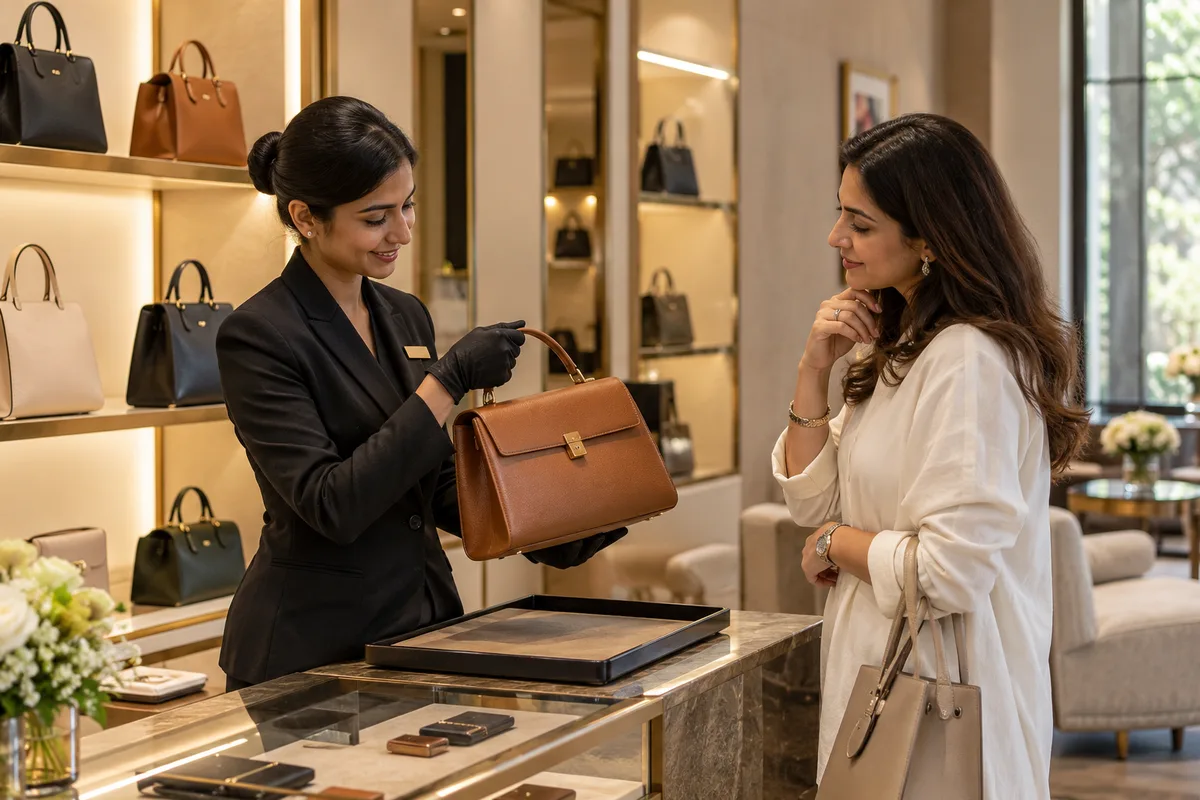
What reputation management means
Reputation management is watching what is said about your business across Google, social media and review sites, and responding to it before it changes a buyer's mind. GullySales monitors mentions, drafts responses to negative reviews and flags recurring complaints back to your team.
Also for luxury and premium brand retailers
- SEO for luxury and premium brand retailers
- Local SEO for luxury and premium brand retailers
- Pay per click advertising for luxury and premium brand retailers
- Content marketing for luxury and premium brand retailers
- Social media marketing for luxury and premium brand retailers
- WhatsApp marketing for luxury and premium brand retailers
- Referral marketing for luxury and premium brand retailers
- Follow-up systems for luxury and premium brand retailers
Sales and marketing for luxury and premium brand retailers, the overview.
Last updated 11 Oct 2026.
For luxury and premium brand retailers
Where it usually goes wrong, and what we would do.
“Reviews are about the wait, not the product”
A buyer waited ten minutes before anyone greeted her, and the review says the staff were snobbish.
“A warranty dispute becomes a public complaint”
A watch bought from you is serviced by the brand, takes time, and the buyer blames the store.
“Reviews are asked only from the happiest buyers”
The profile shows a perfect record that visitors do not believe, or the gaps show when a complaint arrives.
What we do
What we deliver for luxury and premium brand retailers.
Every deliverable, what it covers for you, and the result it is there to produce. Nothing here is an extra.
A review ask at the point of sale
A message after delivery, with the review link, in the buyer's language, sent to every buyer.
Result: Reviews come from real buyers asked fairly.
A reply for each kind of review
Replies for praise, service complaints, authenticity doubts and after-sales delays, in a tone that suits a premium store.
Result: Each review gets a reply that fits.
A record of what reviews say
A sheet of themes such as greeting, waiting, staff knowledge, after-sales and delivery, by store.
Result: Complaints become a list of things to fix.
An after-sales tracker
A record of each piece sent to the brand for service, with the date sent and the buyer told.
Result: Buyers are not left waiting without news.
Review report against the baseline
Reviews and their content against the profile before work began.
Result: You see whether the fixes show.
How the result is measured
- Average rating
- Response time to reviews
- Negative mentions resolved
Recorded as a baseline before work starts, so every later report has an honest comparison.
What to do with each review
A premium store gets a handful of kinds of review, and each needs a reply and a fix inside.
- Praise for a salesperson
- Thank the buyer and name the salesperson, with a line that you will tell them. Do not copy the same reply to every review, because regulars notice.
- Complaint about greeting or waiting
- Apologise without excuse and invite them back to meet the manager. Inside, check floor coverage at busy hours, and who greets a person who walks in alone.
- Complaint about an after-sales delay
- Say what happened, what the brand's service centre needs and who will update the buyer. Keep the promise to update. Do not promise a date that the brand controls.
- Doubt about authenticity
- Reply politely, explain how the piece is sourced and invite the buyer to bring it and the papers to the store. Never argue in public, and keep the invoice and warranty trail ready.
- A fake or competitor review
- Report it to Google with the reason and reply that you cannot find the purchase. Do not promise removal. Keep honest reviews coming.
- Never gate or pay for reviews
- Do not offer a discount, gift or voucher for a review, do not ask only happy buyers, and do not write reviews yourself. Check Google's current policy.
Who it is for
This is written for these luxury and premium brand retailers.
- Multi-brand watch boutiques
- Designer wear and couture boutiques
- Premium furniture and home decor showrooms
- Premium audio and electronics stores
- Luxury fragrance and beauty stores
- Premium leather goods and luggage stores
- Authorised single-brand franchise stores
- Premium gifting and hampers retailers
How it works
From your first message to the first report.
No open-ended retainer. Every step gives you something in writing.
First
Your brief
You tell us what you need in a few short steps: your business, what you want, where enquiries come from and how they are handled.
After the brief
A conversation and a written scope
We read it, then talk with whoever handles your enquiries. If you want our help, the scope, the fee and the reporting come in writing, and nothing starts before you have read them.
Before work starts
Baseline recorded
The numbers this work is meant to move, such as enquiries, quotations, orders, visits or renewals, written down so every later report has an honest comparison.
After the baseline
The first fix goes live
The fix we agreed to start with is put in place and measured against the baseline, whether that is a reply, a follow-up, a page, a listing or the handover between marketing and sales.
As agreed
Report against the baseline
What moved, what did not, and what changes next, in plain words. How often you get it is set in writing before work starts.
At renewal
Renew on the numbers
The term ends and you decide whether to continue from the results. The length is agreed in writing before anything starts.
How the reputation management work runs
- 1
Understand current perception
We start by actually searching your business name and reviewing what a stranger would currently see.
- 2
Audit existing mentions
We catalogue reviews, mentions and search results, flagging anything negative or inaccurate.
- 3
Plan responses
A calm, factual response is prepared for anything that needs one, agreed with you before posting.
- 4
Implement monitoring
Ongoing checks are set up so new mentions are caught promptly rather than discovered by accident.
- 5
Measure and report
Sentiment and response times are reported, with your business name searched again to see what has moved.
Why us
Why owners pick GullySales over an agency.
Marketing and sales, as one job
Most agencies stop at the enquiry. We also fix what happens after it: the reply, the follow-up, the quote and the CRM.
The person on the first call does the work
No account managers in between. You are never handed to someone you have not met.
A baseline before anything starts
Your numbers are written down on day one, so every later report compares against something honest.
The fee in writing, split three ways
Our time, your media spend and production on separate lines. You always see what goes to us.
No guarantees we cannot keep
The term is agreed in writing and never a default twelve months. We never promise a ranking or a lead count, because nobody controls those.
One office, and we say so
Nagarbhavi, Bengaluru. We work across India by call and WhatsApp and travel when a session needs to be in person.
#257, 3rd floor, Sri Nanjundeshwara Complex, Nagarbhavi 8th Block, Outer Ring Road. How we work.
Your brief
Tell us what you need, and we will read it before we call.
Eight short steps about your business, what you want and who decides. Most questions are a tap, and you can skip any you would rather answer on the call.
FAQ
Questions owners ask before they call.
Not here? More answers, or ask on WhatsApp.
Should the owner reply to reviews?
Can we ask a buyer to remove a negative review?
What if a review mentions a salesperson by name?
How do we ask a high-value buyer for a review without being pushy?
How much does it cost?
How long is the contract?
How soon will we see results?
Who will actually do the work?
What do you need from us?
What if we are not happy with the work?
More for luxury and premium brand retailers
Everything else we would do for you.
- SEO for luxury and premium brand retailers
- Local SEO for luxury and premium brand retailers
- Pay per click advertising for luxury and premium brand retailers
- Content marketing for luxury and premium brand retailers
- Social media marketing for luxury and premium brand retailers
- WhatsApp marketing for luxury and premium brand retailers
Or start from the overview: sales and marketing for luxury and premium brand retailers.
Your next practical step
Tell us what you are trying to grow, and we will read it before we call.
Eight short steps, mostly taps. Skip anything you would rather answer on the call.