Spas · Customer retention and reactivation campaigns
Reach the guest whose visits are slowing before the next spa wins them.
Customer retention and reactivation campaigns for a spa are planned outreach to guests whose visits have slowed or stopped, grouped by treatment history and the reason they drifted. GullySales identifies who to contact, writes a message for each group, and gives your front desk the guest history it needs to follow up.
Scope, fee, reporting and term are agreed in writing after we have read your brief and spoken to you.
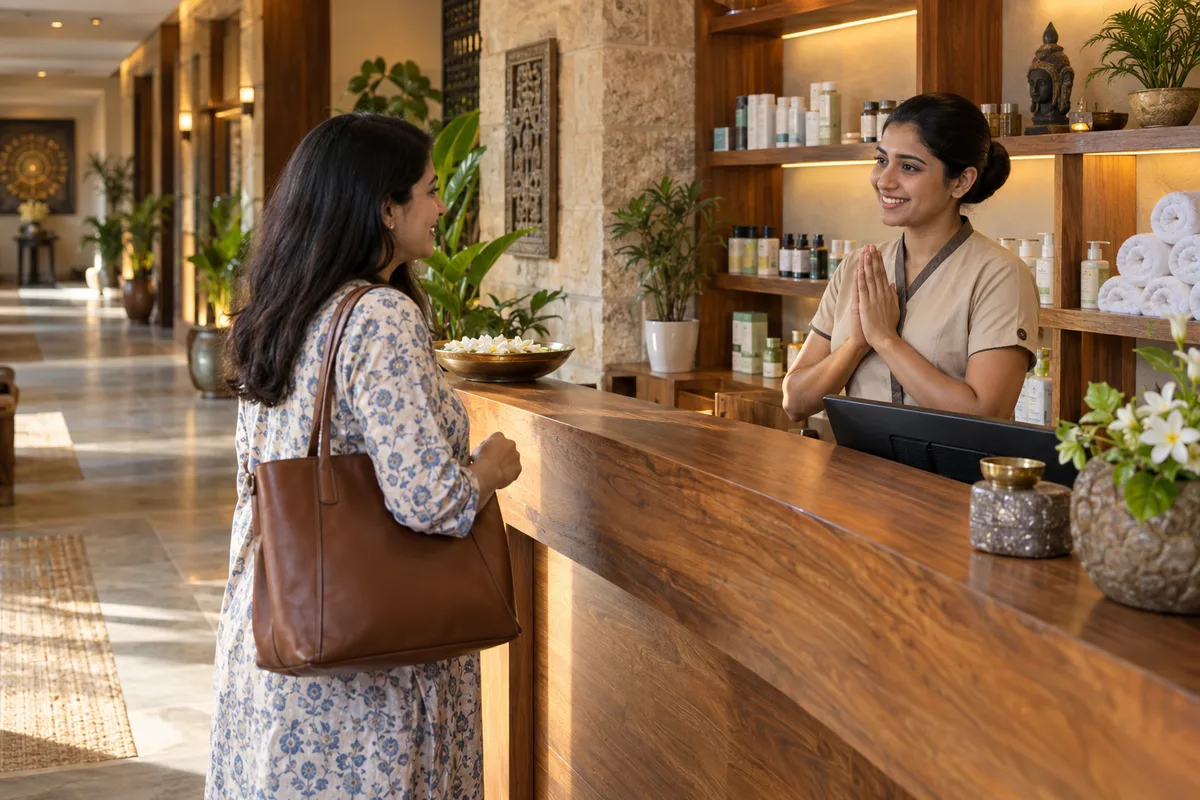
What customer retention and reactivation campaigns means
Customer retention and reactivation campaigns are planned outreach to customers whose buying has slowed or stopped, based on their purchase history and reasons for leaving. GullySales identifies who to contact, prepares messages for each group, and gives your sales team the customer history needed to follow up, with results traced to repeat orders or bookings.
Last updated 14 Nov 2026.
For spas
Where it usually goes wrong, and what we would do.
“The slowdown is visible long before the exit”
A guest who used to come for a deep-tissue massage regularly starts to space the visits out, then skips a season. The booking diary shows the pattern, but nobody reads it. By the time the guest has gone, a rival spa has taken the slot. Spotting the slowdown is cheaper than recovering the guest afterwards, and the diary already holds everything needed to spot it.
“Package holders who stop using sessions”
A guest with sessions left on a prepaid package who has not booked in a while is both a risk and a liability on the books. A reminder that reads like a demand for payment pushes the guest further away. The campaign has to treat the unused balance as a reason to help the guest book, not a deadline to threaten.
“Seasonal guests and the quiet stretches”
Some guests return with the weather, a festival or a wedding, and look lapsed in between. Treating them as lost wastes effort and irritates them. The campaign must separate a seasonal pattern from a real exit, using the spa's own diary across more than one season, so that a guest who returns each festival is not chased in between.
“Two kinds of guest need two kinds of message”
The guest who is slowing down needs a reason to book the next treatment. The guest who has gone needs a reason to trust the spa again. One message sent to both either reads as pushy to the first or empty to the second. The groups must be written for separately, by someone who has read the guest history behind each one.
What we do
What we deliver for spas.
The work available for this need. We agree the deliverables and responsibilities for your engagement in writing.
At-risk and lapsed guest lists
Two working lists drawn from the booking diary and package records: guests whose visits are slowing and guests who have stopped. Each guest appears with last visit, usual gap, treatments and therapist.
Result: You can see why each guest is on a list and which list it is.
Contact permission and exclusion record
A record of the guests who agreed to messages, those who asked to stop and those with an open complaint. Anyone whose permission is unclear is held back until your adviser has reviewed the position.
Result: No guest is contacted without a recorded reason and permission.
Reasons-for-drifting findings
Notes from a sample of polite calls or messages to guests who slowed or left, kept in their own words. You read the replies before we decide what each campaign group needs to hear.
Result: The reasons behind each message are written down for the owner.
Messages by guest group
Wording for guests who are slowing, guests holding unused package sessions and guests who have left, with a call prompt for the front desk. Each message gives one next step and names a real person.
Result: Each group receives a message that fits its own situation.
Offer and response plan
A written reason to book again, such as a priority slot with a preferred therapist or help to use remaining package sessions, with its cost checked against margins. Reception confirms it can honour every promise.
Result: The offer can be delivered in the diary and its cost has been read.
Follow-up list and outcome record
A ranked list for the front desk with guest history, the message sent and the person who owns the next call. Replies and later bookings are recorded against the campaign group.
Result: A returning guest can be traced from message to completed appointment.
How the result is measured
- Customers reached and replies by campaign group, separate from clicks
- Reply time for customers requesting a sales conversation
- Qualified repeat-purchase opportunities with a recorded requirement
Recorded as a baseline before work starts, so every later report has an honest comparison.
Who it is for
This is written for these spas.
- Day spas
- Ayurveda and wellness centres
- Salon-spa combo outlets
- Medi-spas and skin clinics with spa services
- Massage-only therapy centres
- Resort and hotel spas
- Corporate and mobile wellness services
Before you decide
Agree the work. Know how to judge it.
Customer retention and reactivation campaigns for spas: use these checks to prepare, choose the scope, and review what changes.
Bring the right evidence
Review repeat orders, inactive customers, and reasons for leaving. Separate a normal buying interval from a customer who stopped because of an unresolved problem.
Make the scope clear
Choose the customer group and the reason to contact them. Agree how complaints, renewal decisions, and additional offers are handled, including when a sales message is inappropriate.
Check the work in use
Track the response through to a retained or repeat order, with discounts and service costs visible. Record why the customer returned rather than crediting every repeat purchase to the campaign.
Know when to change course
If customers leave because delivery is unreliable, fix that before offering a loyalty reward. Repeated promotions can hide the cause without improving the experience.
These are discussion points, not a fixed package. GullySales confirms the deliverables, responsibilities, fee, and term in writing after reading your brief and speaking with you.
Before we start
What to have ready before the work starts.
The records, access and decisions this work needs from spas. Anything missing is noted in the written scope, with who will supply it.
- Booking diary and package records
- Both records are needed to see who is slowing and who holds unused sessions, and they must carry the same guest name or number so they can be matched. With only one of them, a guest with a package balance can be treated as lost when they are merely late.
- Known reasons guests have left
- The owner and reception know why a few guests stopped coming, because therapists and receptionists hear it at the door. Writing these down before outreach stops a campaign from sending an offer to a guest who left over a problem still waiting to be fixed.
- A list of open complaints
- A guest with an unresolved complaint should hear from a person with an apology, not a promotional message, and the owner should decide who makes that call. If we do not have the list, a campaign message can land on top of a grievance.
- Approved offers and their limits
- Decide what the spa is willing to offer, to whom, for which treatments and for how long. Without limits, the front desk improvises, and different guests are promised different things at different times.
- A named person to rebook returning guests
- Pick the receptionist or manager who answers replies and rebooks. A guest who responds and then waits for a reply is lost a second time, which is worse than never writing.
How it works
How the customer retention and reactivation campaigns work runs
The work itself, in order. How an engagement starts, from your brief to a written scope, is set out on our method page.
- 1
Deciding what slowing and lapsed mean
You tell us how frequently guests normally return for each kind of treatment, and which guests come only in season. We agree what counts as slowing, what counts as lapsed and who is left alone. These rules come from your diary, not from a general idea of how frequently a spa guest should visit.
- 2
Building and approving the guest lists
We assemble the lists from the booking diary and package records and flag any gaps in the data. You approve who may be contacted and who is excluded, including guests with a complaint open. No outreach starts until the exclusions have been read by a named person at the spa.
- 3
Asking a sample why visits slowed
A small group from each list is asked, courteously, what changed. We read the answers with you and sort them into reasons the spa can answer, such as a therapist's leave, and reasons it cannot. The messages are written afterwards, so that they answer something the guests actually said.
- 4
Signing off messages and offers
We write a message for each group and a single offer where one is right. You approve the wording, the channel and the cost. Reception confirms in the diary that every promise can be kept, including which therapist and which slots are available.
- 5
Handing replies to the front desk
Outreach starts with the group you choose first. Each reply goes to a named person who rebooks and notes the guest's answer. We check, as soon as the first replies arrive, that they reach that person and not a shared inbox where a booking request would sit unread.
- 6
Reading results and choosing the next group
Against the visit figures recorded before the work began, we match replies and later bookings to each campaign group. You decide on the next group, a different offer or a stop. A returning guest is credited only when the diary shows an appointment, and the review says plainly that some would have returned anyway.
Where this fits
Three pieces of sales work, in this order.
This work sits inside sales process design, at stage 7, after the sale. The audit comes before it, and sales management keeps it running.
Step 1
Sales audit
Find where deals are being lost and what to fix first.
Start here if you cannot say where orders are lost.
Step 2 · you are here
Sales process design
One written way to sell, from first enquiry to repeat order.
Start here if every salesperson sells differently.
Step 3
Sales management
A target, a review routine and someone who owns the number.
Start here if the team has targets and no routine.
FAQ
Questions owners ask before they call.
Not here? More answers, or ask on WhatsApp.
Is this different from reactivation alone?
Do we need a CRM first?
Should we discount for guests who are slowing?
Can we message everyone in our old contact list?
What if a guest replies with a complaint?
How do we know the campaign brought guests back?
How much does it cost?
How long is the contract?
How soon will we see results?
Who will actually do the work?
From the blog
Further reading for spas.
 7 min read · 3 Jun 2025How to reactivate dormant customersDefine dormant against your own purchase interval, then call your highest-value lapsed customers to ask why they stopped before offering any discount.
 6 min read · 19 Aug 2026How to sell spa membership packages that customers renewBuild spa membership packages around how often customers already visit, with a saving they can see. Offer them after a session; follow up before renewal.
More for spas
Related work to consider.
Closest to this: customers after the sale
Also for spas
Or start from the overview: sales and marketing for spas.
Your next practical step
Tell us what you are trying to grow, and we will read it before we call.
Eight short steps, mostly taps. Skip anything you would rather answer on the call.