Spas · Landing pages
Give each spa offer its own page, so the booking button is the only thing to press.
Landing page development for a spa is a single page built around one offer, such as a weekday massage slot, a couple package or a staff wellness day, with one clear way to book. GullySales writes and builds the page, connects the enquiry route to the front desk, and records which offer brought each booking.
Scope, fee, reporting and term are agreed in writing after we have read your brief and spoken to you.
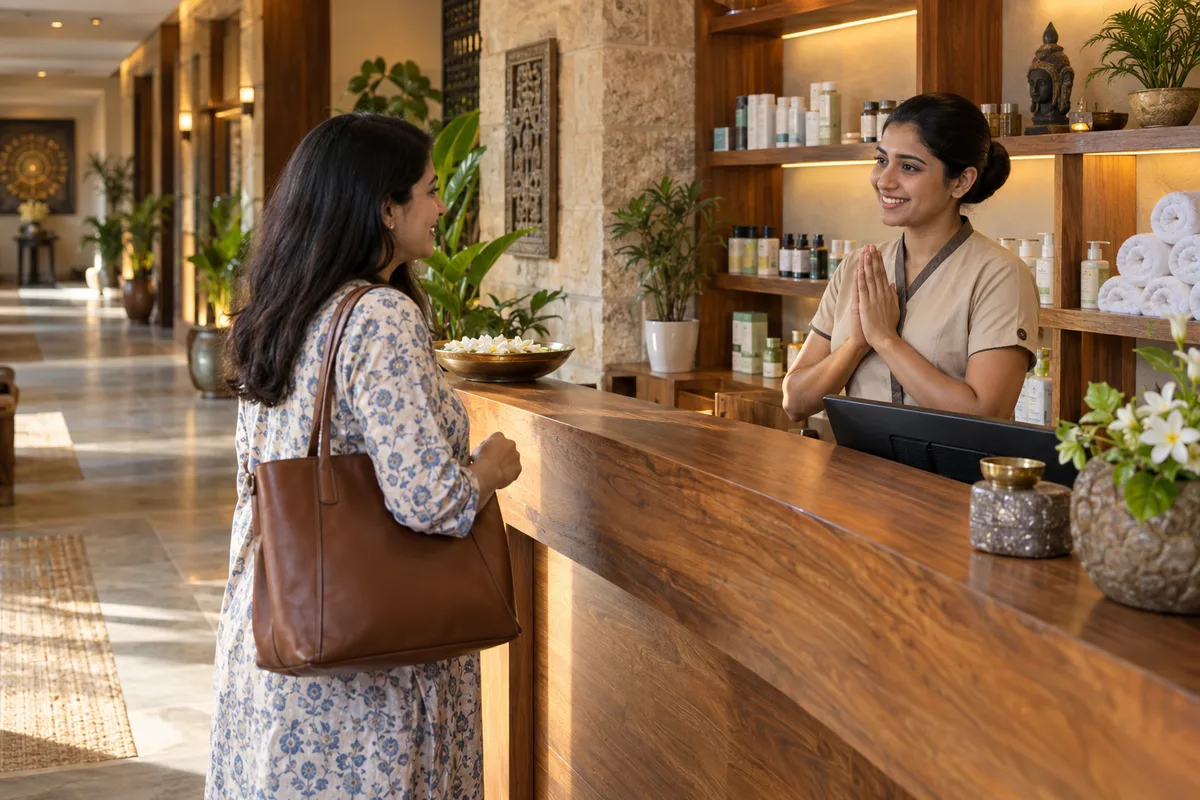
What landing pages means
A landing page is a single page built for one advert or campaign, with nothing to distract the visitor from filling the enquiry form. GullySales builds a separate landing page for each offer so the message matches exactly what the visitor clicked to see.
Last updated 14 Nov 2026.
For spas
Where it usually goes wrong, and what we would do.
“Each offer speaks to a different customer”
A weekday afternoon massage offer, a couple package and a staff wellness day are bought by three different people with three different worries. Sending all of them to the spa homepage makes each visitor hunt for their own offer. A page per offer lets the headline, photographs and price lines answer one buyer, and lets the front desk see which offer a booking came from.
“The first-time visitor decides on a phone”
Someone comparing the spas that appear for a local search looks at the treatment room, the hygiene details and the price before they message anyone. If the page buries those under a long menu, they go back to the results and open the next spa. The page has to show the room, name the therapist and state the price near the top, in a layout made for a thumb.
“The late-evening question needs a place to land”
A customer who asks about tomorrow's slots at nine in the evening is ready to book now. A form that sends to an inbox read after opening time loses that person. The page should offer a WhatsApp message with the offer already written into it, a call button for opening hours, and a short form that tells the front desk which treatment and slot was wanted.
“Package terms must be readable before the booking”
A package page that hides what happens to a missed session, who may use the sessions, or how long the sessions stay valid creates arguments at the front desk later. Stating the terms in plain lines on the page protects the customer and the spa. For a medi-spa or skin clinic offer, your own adviser decides the treatment wording before the page goes live.
What we do
What we deliver for spas.
The work available for this need. We agree the deliverables and responsibilities for your engagement in writing.
Offer page copy for one buyer
The headline, the treatment description and the price lines are written for the single customer the offer is for. You check each line against what the spa really delivers, including the duration of the treatment, who performs it and what is excluded.
Result: Every claim on the page matches a line in your own treatment menu.
Room and therapist section
A short section shows your own treatment room, the towels and linen arrangement, and the therapist who will perform the treatment, using photographs you approve. It answers the hygiene and trust questions a nervous first-timer asks before calling.
Result: A first-time visitor can see the room and the therapist without leaving the page.
Booking route with the offer attached
A short form asks for the treatment, the preferred slot and the branch, and a WhatsApp button opens a message that already names the offer. Both go to the person at the front desk you name, so nobody has to ask what the caller saw.
Result: A test booking reaches the named person with the offer name written in it.
Corporate wellness request variant
Where you want staff wellness days, a second page speaks to the HR manager: the number of staff, the preferred days, whether sessions run at the spa or the office, and how invoicing works. The form asks only what a proposal needs.
Result: An HR manager can request a proposal without phoning the front desk first.
Source tracking by offer
Campaign tags and agreed events separate bookings from a Maps profile, an Instagram ad and a printed voucher code. Taps on call and WhatsApp buttons are labelled apart from submitted forms, because a tap is not a confirmed booking.
Result: Your booking sheet shows which page and which source each customer came from.
Phone checks and handover
The page is tested on the phones your customers use for loading, readable text and form use, and the handover names the live address, who can edit it and where enquiries arrive. Offers that end are taken down or redirected.
Result: A named person at the spa can retire or change an offer without calling us.
How the result is measured
- Conversion rate
- Cost per enquiry
- Form completions
Recorded as a baseline before work starts, so every later report has an honest comparison.
Who it is for
This is written for these spas.
- Day spas
- Ayurveda and wellness centres
- Salon-spa combo outlets
- Medi-spas and skin clinics with spa services
- Massage-only therapy centres
- Resort and hotel spas
- Corporate and mobile wellness services
Before you decide
Agree the work. Know how to judge it.
Landing page development for spas: use these checks to prepare, choose the scope, and review what changes.
Bring the right evidence
List the pages that support a buying decision and the actions visitors must complete. Keep examples of failed forms, unclear product information, and questions your team answers repeatedly.
Make the scope clear
Agree the page list, content ownership, integrations, and who controls the domain and hosting. Include redirects and existing search traffic in a redesign brief, before changing addresses.
Check the work in use
Complete a real enquiry journey on a phone and a laptop. Check that the confirmation appears, the enquiry reaches the right person, and tracking records the action once.
Know when to change course
If visitors can enquire but the team does not follow up, start with the sales handover. A larger website will not resolve that delay.
These are discussion points, not a fixed package. GullySales confirms the deliverables, responsibilities, fee, and term in writing after reading your brief and speaking with you.
Before we start
What to have ready before the work starts.
The records, access and decisions this work needs from spas. Anything missing is noted in the written scope, with who will supply it.
- Current treatment menu and price list
- The page quotes real treatments and real prices, so we need the list the front desk uses today. If the printed list and the online list disagree, tell us which is correct, because a visitor who sees two prices stops trusting both.
- Package terms in plain words
- We need the validity of a package, the rule for a missed session, whether sessions can be shared and what the refund position is. When terms are missing, the front desk answers differently each time, and the page cannot state them honestly.
- Photographs of rooms and therapists
- Real images of the treatment room, the reception and the therapists who will serve the offer build trust faster than stock candles and stones. Without them the page uses plain layout, and we will not substitute pictures of another spa.
- A named person for new enquiries
- Someone must own the WhatsApp number and the inbox, with a rule for evenings and closed days. When nobody owns it, the page produces enquiries that wait until the customer has booked elsewhere.
- Access to booking and advertising accounts
- We need to know where bookings are recorded and which advertising or Maps accounts point at the page. Without access we can build the page but cannot trace bookings back to the offer that brought them.
How it works
How the landing pages work runs
The work itself, in order. How an engagement starts, from your brief to a written scope, is set out on our method page.
- 1
Choosing the slow weekday slot
We start with the spa's own diary. You tell us which treatment rooms and which hours sit empty, which therapist is free, and which offer you can honestly deliver. We agree who the page speaks to and what counts as a booking before any writing begins, and we record how many enquiries and bookings the offer produces now.
- 2
Collecting the treatment menu and terms
You send the price list, the package terms, the cancellation rule and the photographs of rooms and therapists. We list anything missing, such as a photograph that shows the room as it really is, and agree who supplies it. Medi-spa wording goes to your adviser at this stage, not at the end.
- 3
Writing the offer in the customer's words
The draft uses the questions customers actually ask at the desk: what is included, who performs it, what to wear, what to do if a session is missed. You correct anything the spa cannot deliver. Nothing is published until the person who handles the booking agrees the page promises only what the diary can hold.
- 4
Approving the phone layout
You review the page on a phone, in the order a visitor sees it: offer, price, room, therapist, booking button. We adjust until the booking route is visible without scrolling through the menu. The form fields are settled here, and anything the front desk does not need is removed.
- 5
Testing the booking from ad to desk
We send a test enquiry through the form and through WhatsApp, and check that the right person receives it with the offer named. Tracking events are tested with the same enquiry. Your campaign owner approves the live page before any advertisement or social post points to it.
- 6
Reading bookings against the starting record
After launch we compare bookings by offer against the figures recorded before the work began, together with the front desk's notes on who turned up. Where traffic is enough to compare two headlines, we say what changed. Where it is not, we leave one clear page in place.
Where this fits
Three pieces of sales work, in this order.
This work sits inside sales process design, at stage 1, prospecting and lead generation. The audit comes before it, and sales management keeps it running.
Step 1
Sales audit
Find where deals are being lost and what to fix first.
Start here if you cannot say where orders are lost.
Step 2 · you are here
Sales process design
One written way to sell, from first enquiry to repeat order.
Start here if every salesperson sells differently.
Step 3
Sales management
A target, a review routine and someone who owns the number.
Start here if the team has targets and no routine.
FAQ
Questions owners ask before they call.
Not here? More answers, or ask on WhatsApp.
Do we need a landing page if we already have a spa website?
Can the page take bookings directly?
Will a landing page fill our empty weekday afternoons?
Should the page show before-and-after photographs?
Who answers the enquiries from the page?
What happens when the offer ends?
How much does it cost?
How long is the contract?
How soon will we see results?
Who will actually do the work?
From the blog
Further reading for spas.
 6 min read · 19 Aug 2026How to sell spa membership packages that customers renewBuild spa membership packages around how often customers already visit, with a saving they can see. Offer them after a session; follow up before renewal.
 7 min read · 3 Jun 2025How to reactivate dormant customersDefine dormant against your own purchase interval, then call your highest-value lapsed customers to ask why they stopped before offering any discount.
More for spas
Related work to consider.
Closest to this: search and visibility
Also for spas
Or start from the overview: sales and marketing for spas.
Your next practical step
Tell us what you are trying to grow, and we will read it before we call.
Eight short steps, mostly taps. Skip anything you would rather answer on the call.