Spas · App store optimisation
Turn a spa app download into a first booking and a package that gets used.
Mobile app marketing for a spa brings people to the spa's booking or package app through paid campaigns, then sends permission-based reminders that bring them back to book again. GullySales sets up the install campaigns and return messages, connects them to booking events in the app, and reports on completed bookings rather than downloads.
Scope, fee, reporting and term are agreed in writing after we have read your brief and spoken to you.
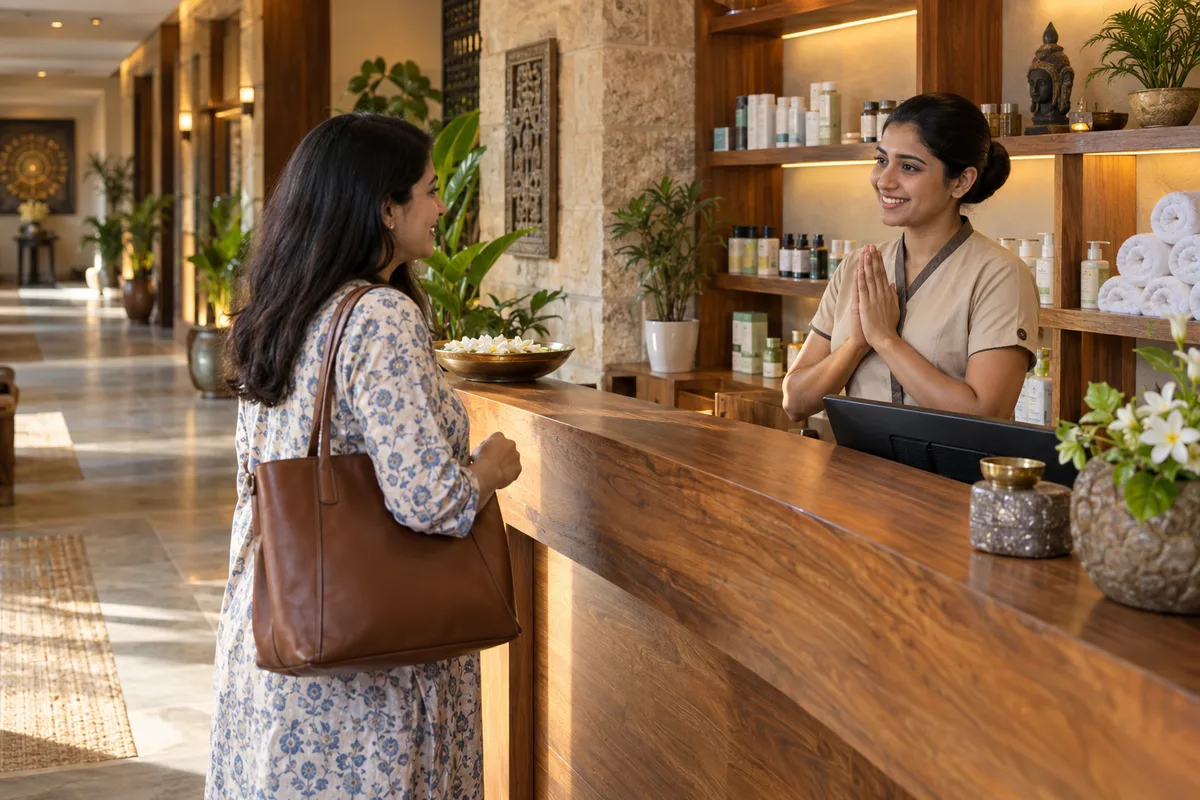
What app store optimisation means
App store optimisation is writing the title, description and screenshots of your app so it appears when someone searches the Play Store or App Store for what your app does. GullySales researches the search terms buyers use and rewrites the listing so it earns downloads instead of scrolls past.
Last updated 14 Nov 2026.
For spas
Where it usually goes wrong, and what we would do.
“A download is not a booking”
A customer installs the spa's app after an ad, opens it once, sees a long list of treatments and leaves. The dashboard shows an install, while the booking sheet shows nothing. For a spa, the campaign must be built around a first booking or a package purchase recorded inside the app, so the spend is judged on the action that matters.
“The package balance is a reason to return”
A customer who bought a package of sessions and has not used them is the easiest person to reach, because the spa already owes them a treatment. A reminder showing the remaining sessions and an easy way to pick a slot brings people back. Without permission-based messages, those sessions go unused and the renewal never happens.
“Branches, therapists and slots complicate the first screen”
A spa group or a resort spa has several branches, therapists and treatment types, and each branch may run different offers on different days. The arrival screen after an ad should open on the offer that brought the person, at the right branch, not on a general home page. If the ad and the first screen differ, a visitor does not know what they installed.
“Notification permission is asked at the wrong moment”
Asking for permission to send notifications at the instant the app opens gets refused too readily, and a refusal is hard to undo. The request should come after the customer has seen a reason, such as a booking confirmation or a package reminder. Customers who have declined are reached only through other permitted channels, such as the front desk when they next visit, and anyone who opts out is left alone.
What we do
What we deliver for spas.
The work available for this need. We agree the deliverables and responsibilities for your engagement in writing.
Booking event plan and tracking checks
A written list names the actions that matter, such as account created, first booking made, package bought and session attended, and how each is recorded. Test bookings show whether each event reaches the measurement tool and the ad account.
Result: A test booking in the app appears in the measurement report as the right event.
Install campaigns on Google and Meta
Campaigns are set up for the agreed catchment and audience, with the optimisation event suited to the tracking that works. You review the campaign objective and spending limits before launch.
Result: You have signed off the objective and the spending limit in writing.
App ad creative from the spa's own pictures
Ad copy and images show what the app does, such as booking a treatment or checking a package balance, using your own photographs. You check each ad against what the live app delivers.
Result: Every ad matches what the app really does on the screen it opens.
Store and arrival screen alignment
The ad, the store listing and the first screen are compared so they make the same promise. Deep links to a treatment or branch page are set up where the app supports them. Changes to the listing itself are recommended, and app store optimisation is a separate scope.
Result: A test journey from ad to store to first screen shows one consistent promise.
Permission and return messages
A message plan sets out when to ask for notification permission, what the first reminder says, and how a package balance or an inactive customer is reached. Opt-out handling is built in and the wording is yours to approve.
Result: Each message has an approved wording and a working opt-out.
Report on bookings, not downloads
The report is written for the spa owner and the front desk lead, and separates installs from first bookings, package purchases and sessions attended, and states where measurement is incomplete on iPhone or Android. It compares the cost of an install with the cost of an agreed active customer.
Result: You can read bookings by source against the record taken before launch.
How the result is measured
- Store ranking
- Download rate
- Conversion from listing view to download
Recorded as a baseline before work starts, so every later report has an honest comparison.
Who it is for
This is written for these spas.
- Day spas
- Ayurveda and wellness centres
- Salon-spa combo outlets
- Medi-spas and skin clinics with spa services
- Massage-only therapy centres
- Resort and hotel spas
- Corporate and mobile wellness services
Before you decide
Agree the work. Know how to judge it.
Mobile app marketing for spas: use these checks to prepare, choose the scope, and review what changes.
Bring the right evidence
Choose the intended user and the first useful action inside the app. Bring the store listing, acquisition reports, and evidence of where new users stop before completing that action.
Make the scope clear
Separate listing improvements from paid acquisition and changes inside the product. Agree which team can update screenshots, descriptions, tracking, and the onboarding experience.
Check the work in use
Follow the journey from the listing through installation and first use on supported devices. Compare completed useful actions with installs so acquisition is judged beyond the download.
Know when to change course
If people install but cannot reach the app's useful outcome, fix that experience before expanding promotion. More downloads will bring more people to the same obstacle.
These are discussion points, not a fixed package. GullySales confirms the deliverables, responsibilities, fee, and term in writing after reading your brief and speaking with you.
Before we start
What to have ready before the work starts.
The records, access and decisions this work needs from spas. Anything missing is noted in the written scope, with who will supply it.
- Access to the app's events and analytics
- We need the measurement tool and the ad accounts the app is linked to. If the app does not record a booking event, your developer must add it first. Without it, the campaign can count installs but cannot show whether anyone booked.
- Package and booking rules
- How packages are sold, what happens to unused sessions, and how a booking in the app reaches the front desk. Reminders about a balance can only be accurate if these rules are written down.
- A person who receives bookings from the app
- A named staff member who confirms app bookings and reads the diary. If bookings from the app sit unconfirmed, new customers are lost at the moment they are keenest.
- Consent and message wording
- How customers agree to be messaged, and the wording the spa is willing to send. We draft, you approve, and your adviser reviews anything that touches a regulated treatment. Messages sent without clear consent damage trust and may break the platform's rules.
- The current store listing
- The name, description and screenshots in the app stores. The ad and the listing must make the same promise, and we need to see the listing to compare. Changes to improve its search position are separate store optimisation work.
How it works
How the app store optimisation work runs
The work itself, in order. How an engagement starts, from your brief to a written scope, is set out on our method page.
- 1
Naming the booking worth paying for
You decide which action the app campaign is bought for, such as a first booking or a package purchase. We record what the app produces now: installs, accounts, bookings and sessions used. We also note how the spa takes bookings outside the app, so the comparison is fair.
- 2
Checking events with your developer
We check the app's booking events and the links to the ad accounts. Any missing event, or a first screen that does not match the ad, goes to your developer with a plain description. The campaign does not launch against an event that failed its test.
- 3
Approving audience, creative and messages
You approve the catchment, the spending limit, the ads and the message sequence. The wording of reminders, including anything about treatments, goes to your own adviser where the spa offers medical or skin services, since advertising rules differ by profession and state.
- 4
Running the journey on real phones
We follow the route from the ad to the store, through installation and into the first booking on the phones you name. The person at the front desk confirms the booking appears in the diary. The campaign launches after the tests pass.
- 5
Timing the first reminder
With permission in place, the first message goes to a customer who has booked once, and the package reminder goes to one who still has sessions left. We check that people who completed the action are not chased and that anyone who opts out is removed.
- 6
Reading results by source and platform
Results are compared by source and by operating system against the record from before launch. We state what iPhone privacy settings hide and recommend changes to campaigns or messages, which you approve or refuse before they are made.
Where this fits
Three pieces of sales work, in this order.
This work sits inside sales process design, at stage 0, foundation. The audit comes before it, and sales management keeps it running.
Step 1
Sales audit
Find where deals are being lost and what to fix first.
Start here if you cannot say where orders are lost.
Step 2 · you are here
Sales process design
One written way to sell, from first enquiry to repeat order.
Start here if every salesperson sells differently.
Step 3
Sales management
A target, a review routine and someone who owns the number.
Start here if the team has targets and no routine.
FAQ
Questions owners ask before they call.
Not here? More answers, or ask on WhatsApp.
Do we need a spa app for this service?
Is this the same as app store optimisation?
Can you promise more downloads or bookings?
Can you send WhatsApp or push messages to customers?
Will iPhone and Android results match?
What if the app has bugs in the booking screen?
How much does it cost?
How long is the contract?
Who will actually do the work?
What do you need from us?
From the blog
Further reading for spas.
 6 min read · 19 Aug 2026How to sell spa membership packages that customers renewBuild spa membership packages around how often customers already visit, with a saving they can see. Offer them after a session; follow up before renewal.
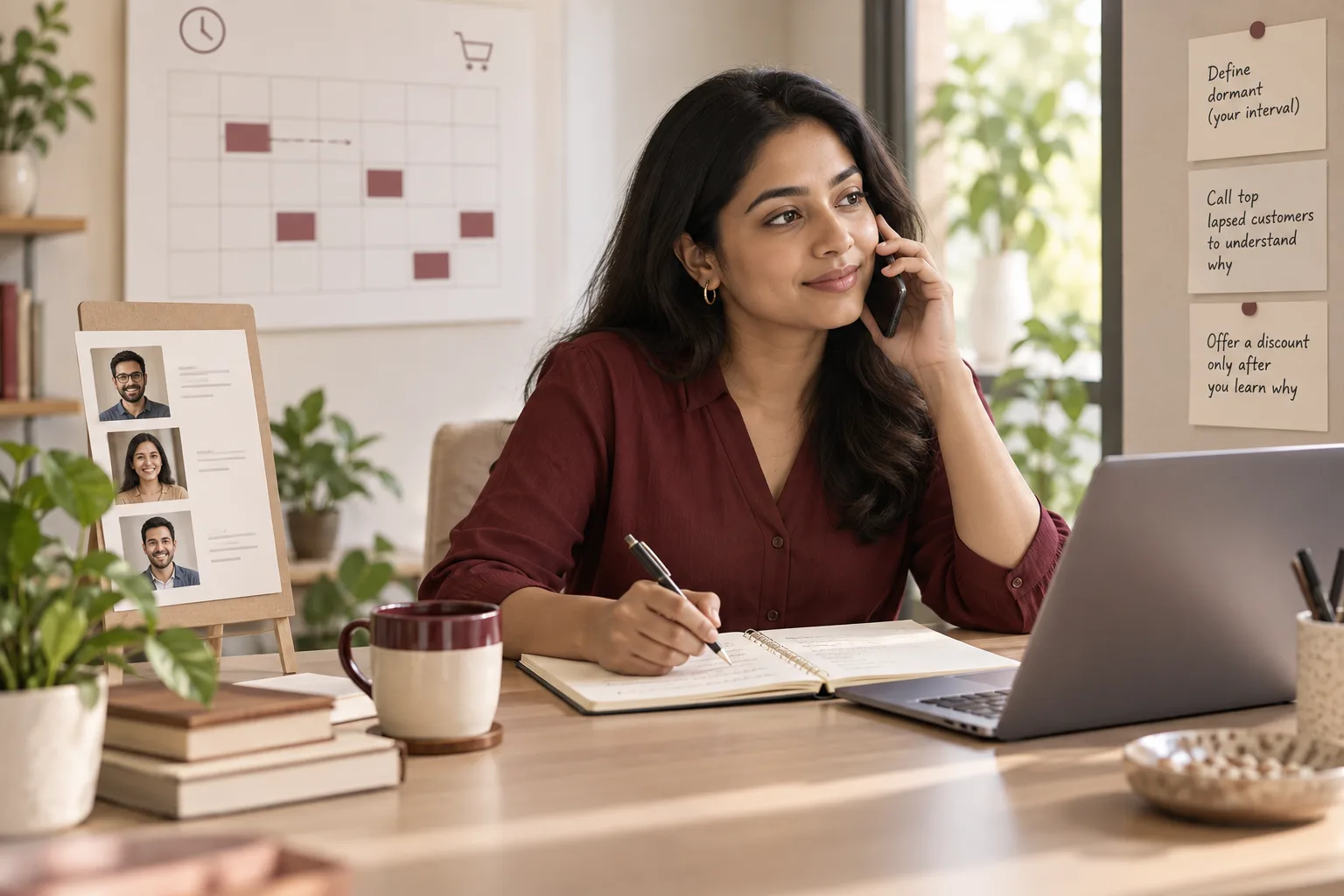 7 min read · 3 Jun 2025How to reactivate dormant customersDefine dormant against your own purchase interval, then call your highest-value lapsed customers to ask why they stopped before offering any discount.
More for spas
Related work to consider.
Closest to this: search and visibility
Also for spas
Or start from the overview: sales and marketing for spas.
Your next practical step
Tell us what you are trying to grow, and we will read it before we call.
Eight short steps, mostly taps. Skip anything you would rather answer on the call.