Spas · Photography and videography
Show the treatment room and the therapist's hands before the guest calls.
Video production and marketing for a spa is the planning, filming, editing and placing of short films that show the rooms, the treatments and the staff before a guest books. GullySales fixes where each film will appear before the shoot, and reads enquiries and bookings next to viewing figures.
Scope, fee, reporting and term are agreed in writing after we have read your brief and spoken to you.
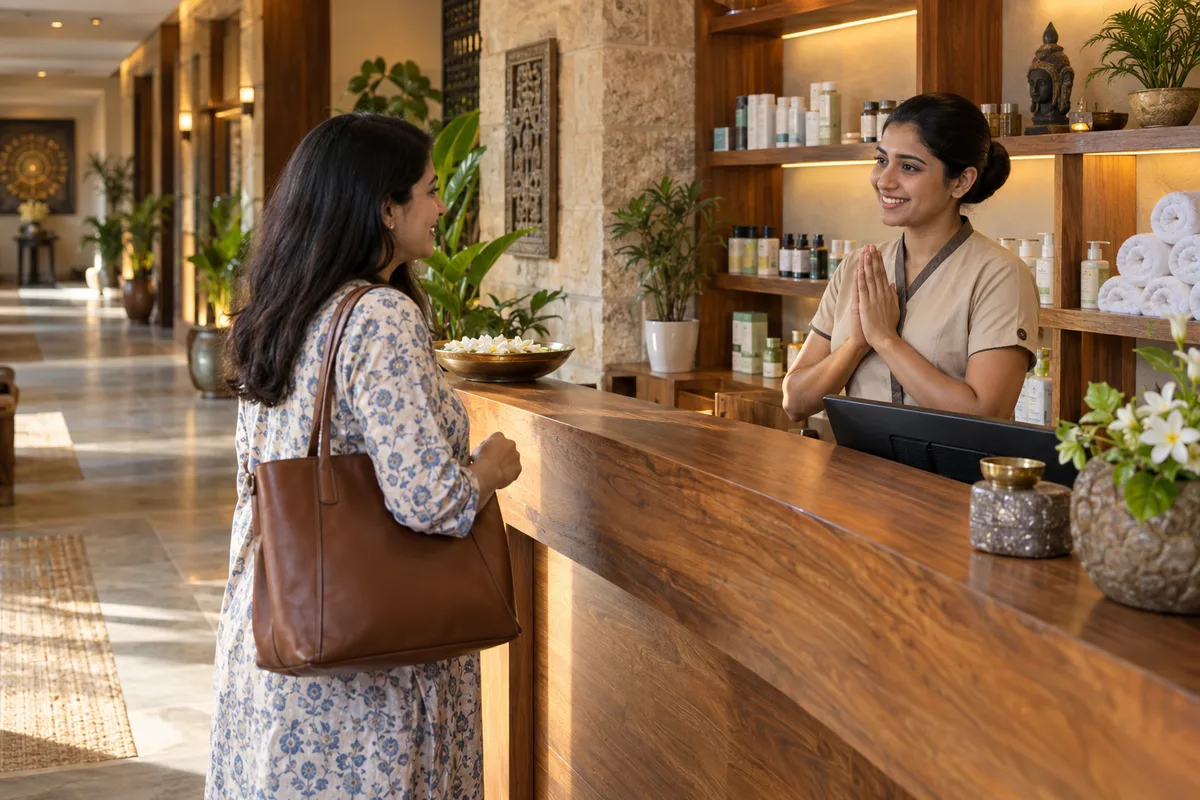
What photography and videography means
Photography and videography is the visual record of your premises, products and work that every other channel, from your website to your Google listing, depends on. GullySales arranges a shoot, directs it around what buyers actually want to see, and delivers images sized correctly for each platform.
Last updated 14 Nov 2026.
For spas
Where it usually goes wrong, and what we would do.
“A guest has to feel the room from a phone”
A first-time guest cannot smell the oil or feel the warmth of the room, so they judge the spa on a short clip. The light in the treatment room, the state of the towels and the manner of the therapist all show on screen. Stock footage of candles tells them nothing. For a spa, the film has to be shot in your own rooms, with your own staff, in a way that answers the quiet question: is this place clean and calm.
“Filming near guests needs strict boundaries”
A spa is a private space. Guests on tables, in robes or in the relaxation lounge must not appear without written permission, and the shoot has to happen when rooms are empty. Even a therapist may not want to be on camera. The plan sets out which rooms are filmed, at what hour, with which staff who have agreed, and what is never shown. Closing a room for filming costs bookings, so the schedule matters.
“A treatment film can slide into a health claim”
A voiceover that says a massage cures back pain or a facial repairs skin turns a film into a claim the spa must be able to stand behind. Advertising rules differ by profession and place, and a medi-spa or a clinic offering skin treatments faces closer attention. The script keeps to what is seen and done in the room, and your own adviser reviews any line about results before filming.
“The film has to fit the screen it runs on”
A vertical reel for Instagram needs a different frame and a faster opening than a walkthrough on your website or a clip sent to a corporate HR manager on WhatsApp. One long film cut down later rarely fits any of them well. The plan names each placement first, the next step beside it, such as a booking link, and the shots are chosen to suit those screens.
What we do
What we deliver for spas.
The work available for this need. We agree the deliverables and responsibilities for your engagement in writing.
Placement and next-step plan
A list of where each film will run, such as the website treatment page, the profile, a booking confirmation or an HR proposal, and what the viewer should do next. You check it before any shoot is booked.
Result: Every film has a named placement and a visible next step before filming starts.
Approved script and shot list
The words, the on-screen text and the shots, listed room by room and treatment by treatment. Your senior therapist checks each description of a treatment, and your adviser reviews any line about outcomes.
Result: You read and approve every line and shot before the camera arrives.
Filming schedule around guests
A plan that fixes the rooms, the hours and the staff who have agreed to appear, set around bookings so that no guest is filmed or disturbed. Closed rooms are limited to what the shot list needs.
Result: The shoot is booked around your bookings and no guest appears on camera.
On-site filming and editing
The agreed rooms, treatments and therapist hands are filmed to the shot list, then cut into the formats named in the plan: a vertical clip, a walkthrough and a short version for messages.
Result: You receive each cut in the format its placement needs.
Permission and music record
Signed permission from every person who appears, a note of any location rights and the licence for any music used. Footage with an unclear record is held back until it is settled.
Result: A record shows who appears, what they agreed to and where the music comes from.
Enquiry and booking tracking
A sheet that sets each film's viewing figures beside the enquiries and bookings that followed from its placement, using the source your booking tool already records.
Result: You can see bookings and enquiries beside views for each film.
How the result is measured
- Images and clips delivered
- Assets in active use
- Pages updated with new visuals
Recorded as a baseline before work starts, so every later report has an honest comparison.
Who it is for
This is written for these spas.
- Day spas
- Ayurveda and wellness centres
- Salon-spa combo outlets
- Medi-spas and skin clinics with spa services
- Massage-only therapy centres
- Resort and hotel spas
- Corporate and mobile wellness services
Before you decide
Agree the work. Know how to judge it.
Video production and marketing for spas: use these checks to prepare, choose the scope, and review what changes.
Bring the right evidence
Identify the product, process, or buyer question the images or film must explain. Gather reference material and confirm permission for people, premises, and client work that may appear.
Make the scope clear
Agree the shot list, formats, usage rights, and approval stages before production. Separate filming or photography from editing, animation, and later adaptations.
Check the work in use
Check the finished asset in the place it will be used: a mobile page, presentation, advert, or product listing. Look at crop, captions, sound, and whether the important detail remains clear.
Know when to change course
Do not present an illustration or generated scene as evidence of client work. If a claim needs a real product demonstration, obtain that evidence before using the asset to support it.
These are discussion points, not a fixed package. GullySales confirms the deliverables, responsibilities, fee, and term in writing after reading your brief and speaking with you.
Before we start
What to have ready before the work starts.
The records, access and decisions this work needs from spas. Anything missing is noted in the written scope, with who will supply it.
- Photographs and footage you already have
- Send what the spa holds, including old shoots, staff phone clips and anniversary material. Some of it may be reusable, which saves a shoot, and some may carry unclear permission that has to be settled first.
- A list of staff willing to appear
- Ask each therapist and receptionist whether they are happy to be filmed, and record the answer in writing. A staff member who agrees reluctantly and withdraws later forces a re-edit, so a clear yes or no before the shoot saves time.
- Rooms and hours free for filming
- Tell us which treatment rooms can be closed and for how long, and which stay in use. Without a clear window, the crew either films around guests, which breaches their privacy, or waits, which costs the spa a booking.
- Your current price list and treatment names
- Films may show a treatment name or a package on screen. If the list has changed, a printed menu in the film will be wrong the day it is published, so confirm the current names and prices before the script is final.
- Someone to approve claims and wording
- Name a senior therapist or the owner to approve every description of a treatment, and your adviser if the spa offers skin or medical treatments. Unchecked wording in a finished film is costly to replace and can mislead the viewer.
How it works
How the photography and videography work runs
The work itself, in order. How an engagement starts, from your brief to a written scope, is set out on our method page.
- 1
Asking what guests ask before booking
We start with the questions your desk answers repeatedly: how clean is the room, who will treat me, what happens during the first visit. Those questions decide what each film must show. We also record the current number of enquiries and bookings by source, which is the baseline the result is read against after the films are live.
- 2
Deciding where each film will run
Before any shoot is planned, we choose the placements: the treatment page, the profile, the corporate proposal and the booking confirmation message. Each gets a purpose and one next step. A film with no place to live is not scripted, because footage stored on a drive and never used earns nothing.
- 3
Writing the script and shot list
We write the script in plain words about what the viewer sees and the therapist does, never what the treatment will achieve. The shot list names each room, each product and each pair of hands. Your senior therapist corrects descriptions, and your adviser reads any line that could be taken as a claim about health.
- 4
Planning the shoot around guests
We choose hours when rooms are empty, agree which staff appear, and brief everyone on what the camera will and will not capture. Signed permission is collected from staff before filming. The lounge, the changing area and any room in use stay off camera, and a person on the front desk guards the boundary.
- 5
Filming and editing for each screen
The crew films to the list, then edits a vertical cut, a longer website version and a short clip for messages. We check that the first seconds make sense without sound and that the booking link or number appears on screen. You review each cut and ask for changes before anything is published.
- 6
Placing the films and reading the figures
The films go live in the agreed places and the tracking sheet starts to fill. After a fair run, we read views, enquiries and bookings against the figures recorded before the work began. Films that draw views but no enquiries are re-cut or moved, and you decide which stay on the page.
Where this fits
Three pieces of sales work, in this order.
This work sits inside sales process design, at stage 0, foundation. The audit comes before it, and sales management keeps it running.
Step 1
Sales audit
Find where deals are being lost and what to fix first.
Start here if you cannot say where orders are lost.
Step 2 · you are here
Sales process design
One written way to sell, from first enquiry to repeat order.
Start here if every salesperson sells differently.
Step 3
Sales management
A target, a review routine and someone who owns the number.
Start here if the team has targets and no routine.
FAQ
Questions owners ask before they call.
Not here? More answers, or ask on WhatsApp.
Can we film guests having a treatment?
Should the film say what a treatment does for the body?
How long should a spa video be?
Can we use a phone instead of a crew?
Who owns the footage and the music?
How will we know whether the video worked?
How much does it cost?
How long is the contract?
Who will actually do the work?
What do you need from us?
From the blog
Further reading for spas.
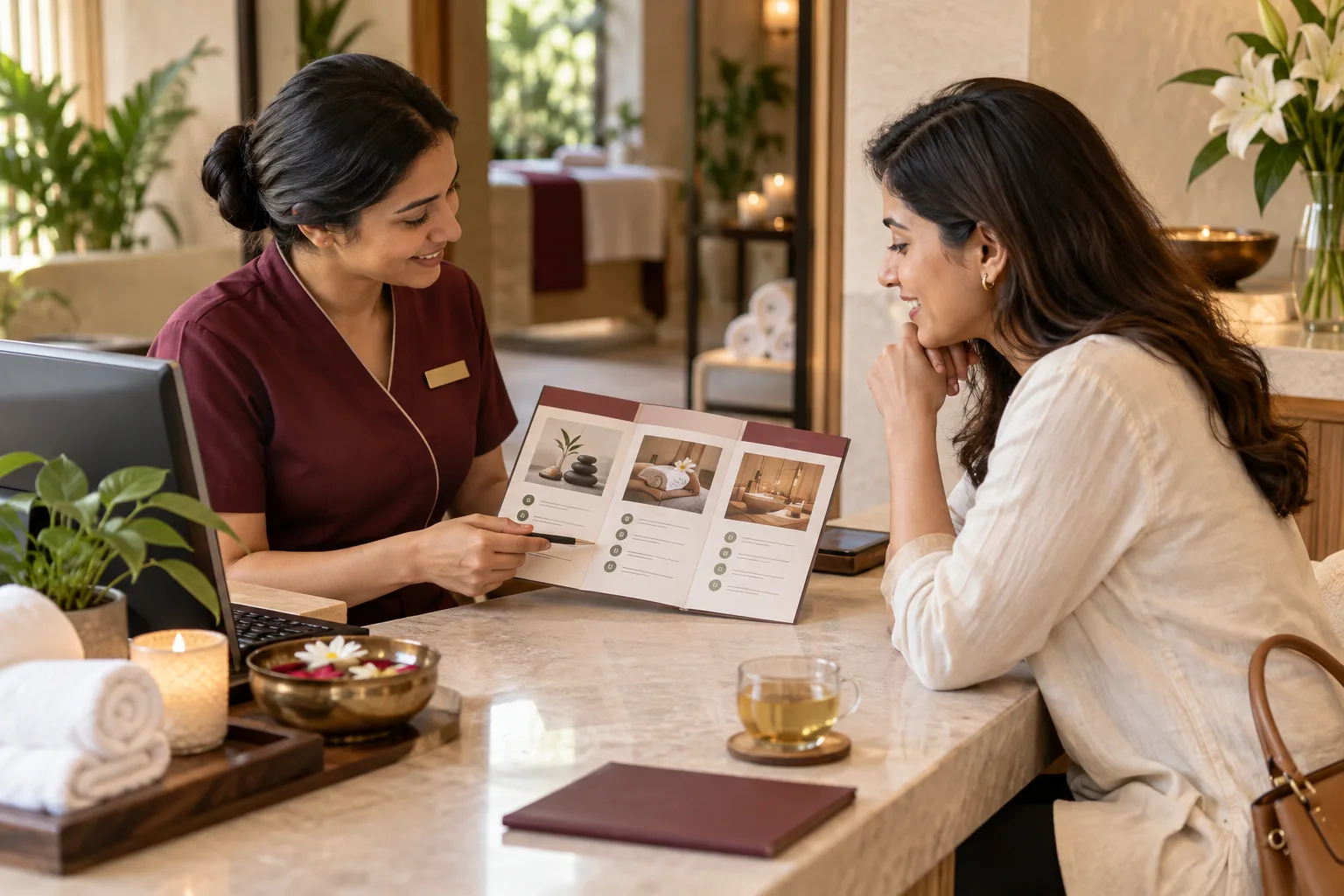 6 min read · 19 Aug 2026How to sell spa membership packages that customers renewBuild spa membership packages around how often customers already visit, with a saving they can see. Offer them after a session; follow up before renewal.
 7 min read · 3 Jun 2025How to reactivate dormant customersDefine dormant against your own purchase interval, then call your highest-value lapsed customers to ask why they stopped before offering any discount.
More for spas
Related work to consider.
Closest to this: content and social
Also for spas
Or start from the overview: sales and marketing for spas.
Your next practical step
Tell us what you are trying to grow, and we will read it before we call.
Eight short steps, mostly taps. Skip anything you would rather answer on the call.