Spas · Influencer marketing
Pick creators whose followers live near your treatment rooms.
Influencer and creator marketing for a spa means paying a creator an agreed fee to show a treatment or the space to an audience that lives within reach of your doors. GullySales checks audience fit, agrees deliverables and usage rights, briefs the creator and sets up a route for booking enquiries to reach your front desk.
Scope, fee, reporting and term are agreed in writing after we have read your brief and spoken to you.
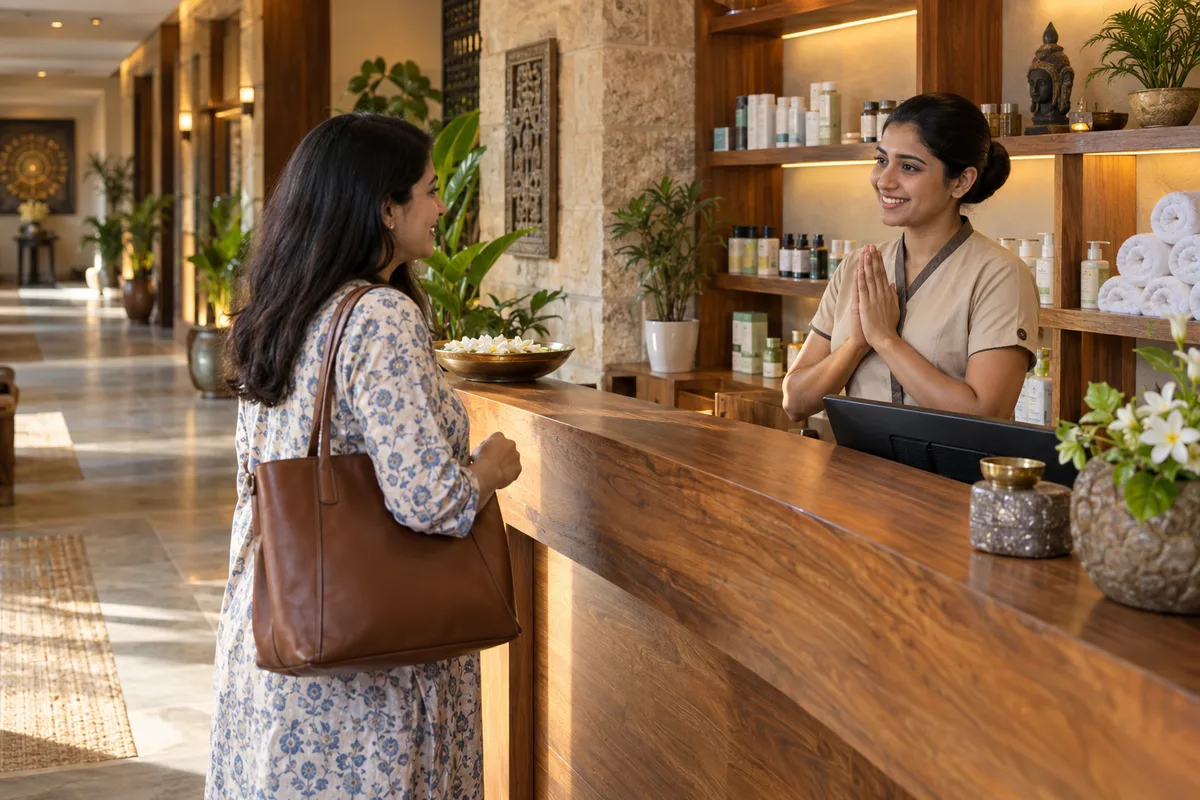
What influencer marketing means
Influencer marketing means paying or partnering with local personalities and creators to talk about your business to their own audience. It works well where trust is built by a familiar face rather than an advert. GullySales finds creators whose audience matches your buyers and manages the brief and payment terms.
Last updated 14 Nov 2026.
For spas
Where it usually goes wrong, and what we would do.
“Followers who cannot visit are worth nothing”
A lifestyle creator with a large following may have an audience spread across cities and countries, while your spa serves the neighbourhood within a short drive. A fee spent on distant viewers brings admiration and no bookings. Location of the audience and the language it watches in come before any follower count.
“A treatment filmed for a creator is a treatment filmed for the public”
A therapist working on a creator's back or a facial shown on camera raises questions about privacy, comfort and what the video claims. Consent from anyone visible, a clean room and a therapist ready to be on screen matter. A scripted claim about relief or skin results is one the creator should not make.
“A video is not a booking route”
A viewer who likes a reel needs to know how to book. If the post has no link, code or contact and the front desk does not know a creator campaign is running, interest leaks away. The creator's own audience should reach a booking step that your team can recognise and answer.
“Disclosure and usage terms get forgotten”
The post must say it is a paid or gifted partnership under the platform's current rules and the advertising rules of the place, and the spa needs to know how long it may reuse the footage. Left unwritten, these points turn into arguments after filming. Written terms settle them before the creator arrives.
What we do
What we deliver for spas.
The work available for this need. We agree the deliverables and responsibilities for your engagement in writing.
Audience and campaign brief
A written definition of the customer you want: where they live, the language they watch in and what you want them to do next. You approve whether the campaign aims at first bookings, a new treatment or a corporate wellness conversation before shortlisting begins.
Result: The brief names the buyer, the area and the one action wanted.
Creator shortlist with evidence
Recommendations supported by audience location and language figures supplied by the creator, comments from real viewers and a look at earlier sponsored posts. We note where evidence is missing instead of filling the gap with a guess about the audience.
Result: Each creator on the list comes with the evidence we saw and what we could not see.
Written agreement of deliverables
A plain statement of what the creator will make, how many revisions you may ask for, how long the post stays up, where you may reuse it and what the fee covers. It also records what treatment the creator receives and who pays for it.
Result: Fee, content, reuse and duration are written before filming.
Brief and claims checklist
A guide that separates facts the creator must state correctly, such as treatment names and booking details, from presentation the creator chooses freely. It lists claims never to make about pain, skin or health, with your adviser's review for any service near a clinic.
Result: The creator has a one-page list of what must not be claimed.
Shoot-day plan for the spa
A practical plan for the visit: which room is used, who the therapist is, what is cleaned and prepared, who else may appear on camera and how their consent is recorded. The front desk knows when the creator arrives and what to say.
Result: A written consent for anyone shown on camera is on file.
Booking route and reading sheet
A creator-specific link, code or contact that sends viewers to a defined booking step, plus a sheet noting every enquiry and booking that came from the creator. The front desk is told to ask how the customer heard of the spa.
Result: Each booking can be traced to the creator or marked as unknown.
How the result is measured
- Reach per creator
- Engagement rate
- Enquiries traced to a creator
Recorded as a baseline before work starts, so every later report has an honest comparison.
Who it is for
This is written for these spas.
- Day spas
- Ayurveda and wellness centres
- Salon-spa combo outlets
- Medi-spas and skin clinics with spa services
- Massage-only therapy centres
- Resort and hotel spas
- Corporate and mobile wellness services
Before you decide
Agree the work. Know how to judge it.
Influencer and creator marketing for spas: use these checks to prepare, choose the scope, and review what changes.
Bring the right evidence
Define whose attention matters and what they need to understand about the offer. Review the creator's relevant work and audience fit rather than choosing from follower counts alone.
Make the scope clear
Agree the deliverables, approval rights, usage period, and any paid reuse of the material. Record who supplies product information and checks disclosure requirements before publication.
Check the work in use
Check the published work against the brief and trace the response through a distinct link or enquiry route where possible. Separate distribution figures from actual buying interest.
Know when to change course
If the audience does not fit the offer, a lower fee does not make the placement useful. Do not ask a creator to describe an experience they have not had.
These are discussion points, not a fixed package. GullySales confirms the deliverables, responsibilities, fee, and term in writing after reading your brief and speaking with you.
Before we start
What to have ready before the work starts.
The records, access and decisions this work needs from spas. Anything missing is noted in the written scope, with who will supply it.
- A description of your best customer
- Tell us who books and returns: the area, the treatment and the reason. This lets us read a creator's audience against something real. Without it, the choice falls back on follower numbers, which is the mistake the campaign is meant to avoid.
- A treatment the creator can show
- Choose one that photographs well, is within your standards and can be given to a stranger on camera. A therapist who is comfortable being filmed is part of the choice. If nothing suits, the campaign shows the space and the team instead, without a live treatment.
- A clean, ready treatment room
- The room will be seen closely. Fresh linen, a tidy entrance and a visible hygiene routine matter more than candles. If the room needs work, finish it before filming, because a viewer judges cleanliness from the first shot and a poor impression is hard to repair.
- Your adviser's view on claims
- Advertising rules differ by profession and state, and a spa near a clinic or offering skin services needs extra care. Ask your own adviser what may be said about a treatment. Without that view, the brief limits the creator to describing the experience and nothing about outcomes.
- A booking step the front desk knows
- The link, code or phone number given to viewers must lead somewhere your team understands. Brief the reception on the campaign and on the question to ask each new customer. If nobody knows a campaign is running, enquiries are answered as if they were random.
How it works
How the influencer marketing work runs
The work itself, in order. How an engagement starts, from your brief to a written scope, is set out on our method page.
- 1
Start with the customer you want
We sit with you to describe the person who should book: the neighbourhood, the age group, the treatment and the reason they would try a spa. This shapes everything after it, and it stops the campaign from following whoever has the largest following.
- 2
Record the starting position
Before a creator is approached, we note the bookings by source, the first-time visitors and the enquiries your records already show. A campaign result means nothing without the figures from before it began, so these are written down and kept by you.
- 3
Check the creators against the buyer
We ask each creator for audience location and language details from their own account, read the comments and look at earlier paid posts. Creators who fit are shortlisted with the evidence beside each name. You choose, and we do not contact anyone without your agreement.
- 4
Agree terms before anyone films
We negotiate the fee, the content, the revisions and the reuse rights, and write them in plain words. The treatment the creator receives is recorded as part of the arrangement. The disclosure wording follows the platform's current rules and your own adviser's view of the advertising rules.
- 5
Brief, review and film in the spa
The creator is briefed on facts, claims to avoid and the room. We review drafts for accuracy and for anything that shows another customer without consent, and the creator keeps their own voice. The therapist and front desk are prepared for the visit.
- 6
Track the bookings and read the result
Enquiries arrive through the booking route and are recorded against the creator. After a period you choose, we set the bookings and first visits against the starting figures and say plainly whether the fee reached people who could come. You decide whether to work with the creator again.
Where this fits
Three pieces of sales work, in this order.
This work sits inside sales process design, at stage 0, foundation. The audit comes before it, and sales management keeps it running.
Step 1
Sales audit
Find where deals are being lost and what to fix first.
Start here if you cannot say where orders are lost.
Step 2 · you are here
Sales process design
One written way to sell, from first enquiry to repeat order.
Start here if every salesperson sells differently.
Step 3
Sales management
A target, a review routine and someone who owns the number.
Start here if the team has targets and no routine.
FAQ
Questions owners ask before they call.
Not here? More answers, or ask on WhatsApp.
How do I know a creator's followers are real and local?
Do I pay the creator only when bookings come?
Can the creator say a massage relieves pain or helps sleep?
What about other customers appearing in the video?
Should the creator disclose that the spa gave a free treatment?
Will a creator campaign fill my quiet weekday slots?
How much does it cost?
How long is the contract?
How soon will we see results?
Who will actually do the work?
From the blog
Further reading for spas.
 6 min read · 19 Aug 2026How to sell spa membership packages that customers renewBuild spa membership packages around how often customers already visit, with a saving they can see. Offer them after a session; follow up before renewal.
 7 min read · 3 Jun 2025How to reactivate dormant customersDefine dormant against your own purchase interval, then call your highest-value lapsed customers to ask why they stopped before offering any discount.
More for spas
Related work to consider.
Closest to this: content and social
Also for spas
Or start from the overview: sales and marketing for spas.
Your next practical step
Tell us what you are trying to grow, and we will read it before we call.
Eight short steps, mostly taps. Skip anything you would rather answer on the call.