Cafes and coffee shops · Short-form video and reels production
Show the room and the cup before someone decides where to sit.
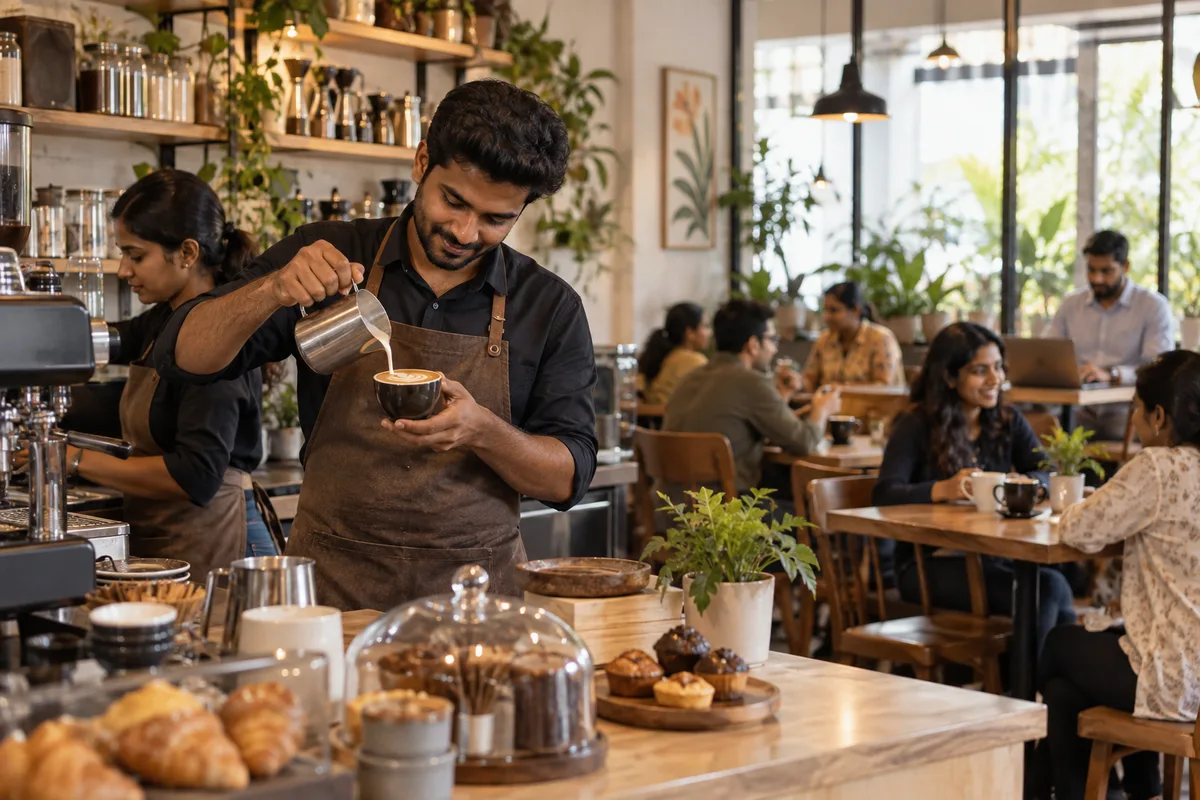
For a cafe, short-form video is a few seconds of the counter, the pour and the seats that tells a person on a phone whether this is the place for coffee or a laptop afternoon. GullySales plans a batch of clips with you, films them in your own space, edits and captions them, and points each to a way to book or visit.
Scope, fee, reporting and term are agreed in writing after we have read your brief and spoken to you.
What short-form video and reels production means
Short-form video and reels production turns product demonstrations and buyer questions into brief vertical videos for phone feeds. GullySales plans and films batches, edits them with readable captions, prepares versions for the agreed channels, and tracks which clips lead to enquiries rather than treating views as proof of sales.
Also for cafes and coffee shops
- Content marketing for cafes and coffee shops
- Influencer marketing for cafes and coffee shops
- Social media for cafes and coffee shops
- Video marketing for cafes and coffee shops
- Community marketing for cafes and coffee shops
- Instagram influencer marketing for cafes and coffee shops
- Branding for cafes and coffee shops
- Buyer journey for cafes and coffee shops
Sales and marketing for cafes and coffee shops, the overview.
Last updated 14 Nov 2026. Rules for this trade differ by state and professional body, and they change. We describe restrictions in general terms, so check the current position with your own council or adviser before you publish anything.
For cafes and coffee shops
Where it usually goes wrong, and what we would do.
“The clip stands in for the walk past”
Someone scrolling a feed cannot feel the room, smell the grinder or see whether the corner seats have a socket. A well-framed clip does that job in a few seconds: the light by the window, the barista's hands, a table with space for a laptop. It is a decision aid, not an advertisement. The cafe that shows its actual seating and its actual busy hour gets chosen by the right customer, and avoids the one who expected something else.
“Filming happens in the middle of service”
A cafe cannot close the room for a shoot. The footage must be gathered around the morning rush, the lull before lunch and the evening, with the counter staff still serving. Planning matters more here than in a busy trade like this one: which drinks are made on camera, which table is kept free, which staff members have agreed to appear. Without that, shooting turns into stopping the coffee machine, and the clips look rushed.
“The reply decides whether a view becomes a visit”
A reel about a weekday work-from-cafe corner will bring messages asking whether tables can be held, whether power points work and whether the menu has changed. If those messages sit unanswered while the counter is busy, the viewer books somewhere else. The response route, whether a profile button, a message template or a booking line, is planned with the clips, and someone on the team is named to answer.
“Menu and claims need care”
A clip showing a drink is also a statement about what you sell. Items that are no longer served, a price that has changed or a description of an ingredient that is not accurate will cause complaints at the counter. Food advertising rules differ by place, so any health or ingredient wording should be checked with your own adviser. The safest clip shows the making and the room, and leaves out claims about what the drink does for the body.
What we do
What we deliver for cafes and coffee shops.
The work available for this need. We agree the deliverables and responsibilities for your engagement in writing.
Approved batch plan
A list of clips, each with the question a customer is asking, an opening line, the shots needed and the person speaking or pouring. Examples are the weekday work corner, the slow bloom of a pour-over, and how a group of eight is seated on a Saturday. You strike out anything you do not want shown before filming.
Result: Every planned clip has a customer question and a shot list you have signed.
Shoot schedule built round service
A schedule that groups set-ups into the quietest stretches, names the staff who agreed to appear and lists the cups, tables, specials and props needed. Your team confirms what is available before the day, not while the camera waits and an order is pending. A back-up slot is named in case the room is busy.
Result: The schedule names each person, each table and each item to be filmed.
Recording set-up chosen for your room
A decision on whether a phone on a stabiliser is enough or a small crew is justified by the space, the light and the clips planned. A narrow cafe with low light needs different handling from a bakery cafe with a front window. The plan states where extra lighting is needed so you can approve the cost first.
Result: You see a set-up and its cost before anyone is booked.
Edited vertical clips with captions
Finished edits that open on the strongest frame, show the drink or the seat in view and carry readable captions in the language and script of your customers. Your reviewer checks drink names, prices and spoken lines. Captions sit clear of the buttons on each feed so nothing is covered.
Result: Each clip's spoken words and captions match what your menu says.
Channel-ready files and music check
Clean exports for the feeds you use, without another app's watermark, with opening frames and text checked on each. Music is reviewed against the platform's current rules before you approve a clip, since a track allowed on a personal account may not be allowed on a business one.
Result: Each file is ready for its feed and its music has been checked.
Response route and learning record
A profile link, message template or booking line for each clip, plus a record of where viewers stop watching and which enquiries can be traced to a clip. The record shows which openings to rewrite or reshoot in a later batch. It also notes which clips brought questions about tables, events or the menu.
Result: You can see which clips drew enquiries and which drew only views.
How the result is measured
- Approved clips published against the agreed plan
- Early viewer retention and completed views, separate from sales results
- Replies and contact-link clicks by clip where records allow
Recorded as a baseline before work starts, so every later report has an honest comparison.
Who it is for
This is written for these cafes and coffee shops.
- Independent single-outlet cafes
- Specialty coffee roasters with a cafe
- Cafes inside co-working spaces
- Bakery cafes
- Cafe chains opening new outlets
- Cloud kitchen and delivery-only cafes
- Cafes attached to bookstores or art spaces
- Late-night and student-area cafes
Before you decide
Agree the work. Know how to judge it.
Short-form video and reels production for cafes and coffee shops: use these checks to prepare, choose the scope, and review what changes.
Bring the right evidence
Identify the product, process, or buyer question the images or film must explain. Gather reference material and confirm permission for people, premises, and client work that may appear.
Make the scope clear
Agree the shot list, formats, usage rights, and approval stages before production. Separate filming or photography from editing, animation, and later adaptations.
Check the work in use
Check the finished asset in the place it will be used: a mobile page, presentation, advert, or product listing. Look at crop, captions, sound, and whether the important detail remains clear.
Know when to change course
Do not present an illustration or generated scene as evidence of client work. If a claim needs a real product demonstration, obtain that evidence before using the asset to support it.
These are discussion points, not a fixed package. GullySales confirms the deliverables, responsibilities, fee, and term in writing after reading your brief and speaking with you.
Before we start
What to have ready before the work starts.
The records, access and decisions this work needs from cafes and coffee shops. Anything missing is noted in the written scope, with who will supply it.
- Questions customers ask at the counter
- Write down what people ask, photograph and misread: wifi, seating for a group, whether the pour-over is hot or iced. These become clip subjects. Without them, the batch shows what the owner finds attractive, and the viewer's question is left unanswered.
- Staff who agree to appear
- Ask the baristas and floor team who is comfortable on camera, and get that agreement in writing. A clip with an unwilling face looks stiff and may be taken down later. Missing agreement means shots from behind, hands only, or a reshoot after someone leaves.
- A current menu and price list
- Give us the menu as it stands on the day of filming, with drinks and bakes that are certain to be served for a while. A clip shows a drink for a long time after posting. An outdated item brings complaints and weakens trust in the rest of your content.
- A reply route and a person to use it
- Decide where a viewer should land: a profile link, a message line, a booking page. Name the person who answers during service hours and the person who covers them. Without that, a reel brings messages that wait until after closing.
- A quiet slot and an access decision
- Choose the stretch when the room can be filmed without stopping service, and say which seats and corners may be held. If the room is never quiet, tell us now and the clips are planned in shorter visits. Skipping this means shooting while customers wait.
How it works
How the short-form video and reels production work runs
The work itself, in order. How an engagement starts, from your brief to a written scope, is set out on our method page.
- 1
Deciding what a clip should do
After your requirements brief and a conversation, we ask what the cafe needs: weekday tables filled, group bookings, a new menu understood. The scope, fee and term go into writing, including the response route and how results will be read. A cafe with no one to answer messages is told to fix that first.
- 2
Clip subjects drawn from the counter
Your team's own questions become proposed clips: what do customers ask on the phone, what do they photograph, what do they misunderstand about the menu. You approve scripts and demonstrations. Any wording about ingredients or health is read by your own adviser before it appears on screen or in a caption.
- 3
Booking the shoot around service
We agree the recording set-up and the schedule with whoever runs the floor. Your side confirms which staff appear, which tables are held and which items are available. Filming permission from any customer who may appear in the frame is sought, or the frame is arranged so nobody is recognisable.
- 4
Edit and accuracy check
The batch is edited and captioned, then sent to your nominated approver, such as the owner or manager. They check names, prices, menu items and anything said aloud. Agreed corrections are made before release, and a clip that no longer matches the menu is held back or reshot.
- 5
Release and a prepared reply route
Approved files go to whoever posts for you, or are posted within scope. The person answering messages receives the clip subjects and the reply route so replies match what viewers saw. A table question about a clip is answered the same way for every viewer.
- 6
Reading what viewers did next
We review where viewers stop watching and which clips brought relevant messages or visits, against what you recorded before the batch began. You decide which subjects to repeat, which to retire and which opening to rewrite. A clip that drew views but no questions is not repeated by default.
Where this fits
Three pieces of sales work, in this order.
This work sits inside sales process design, at stage 1, prospecting and lead generation. The audit comes before it, and sales management keeps it running.
Step 1
Sales audit
Find where deals are being lost and what to fix first.
Start here if you cannot say where orders are lost.
Step 2 · you are here
Sales process design
One written way to sell, from first enquiry to repeat order.
Start here if every salesperson sells differently.
Step 3
Sales management
A target, a review routine and someone who owns the number.
Start here if the team has targets and no routine.
FAQ
Questions owners ask before they call.
Not here? More answers, or ask on WhatsApp.
Do I need a camera crew for a cafe?
Will reels fill my tables?
Who is in the video?
Can the clips show drinks that are good for health?
What happens if the menu changes after filming?
Do you post the clips for us?
How much does it cost?
How long is the contract?
How soon will we see results?
What do you need from us?
From the blog
Further reading for cafes and coffee shops.
 6 min read · 16 Mar 2026How to use Instagram and reels for a hospitality business without a studioWhat a hotel, caterer or venue owner can shoot on a phone for Instagram: walk-throughs, staff and plating, with a shot list and simple rules.
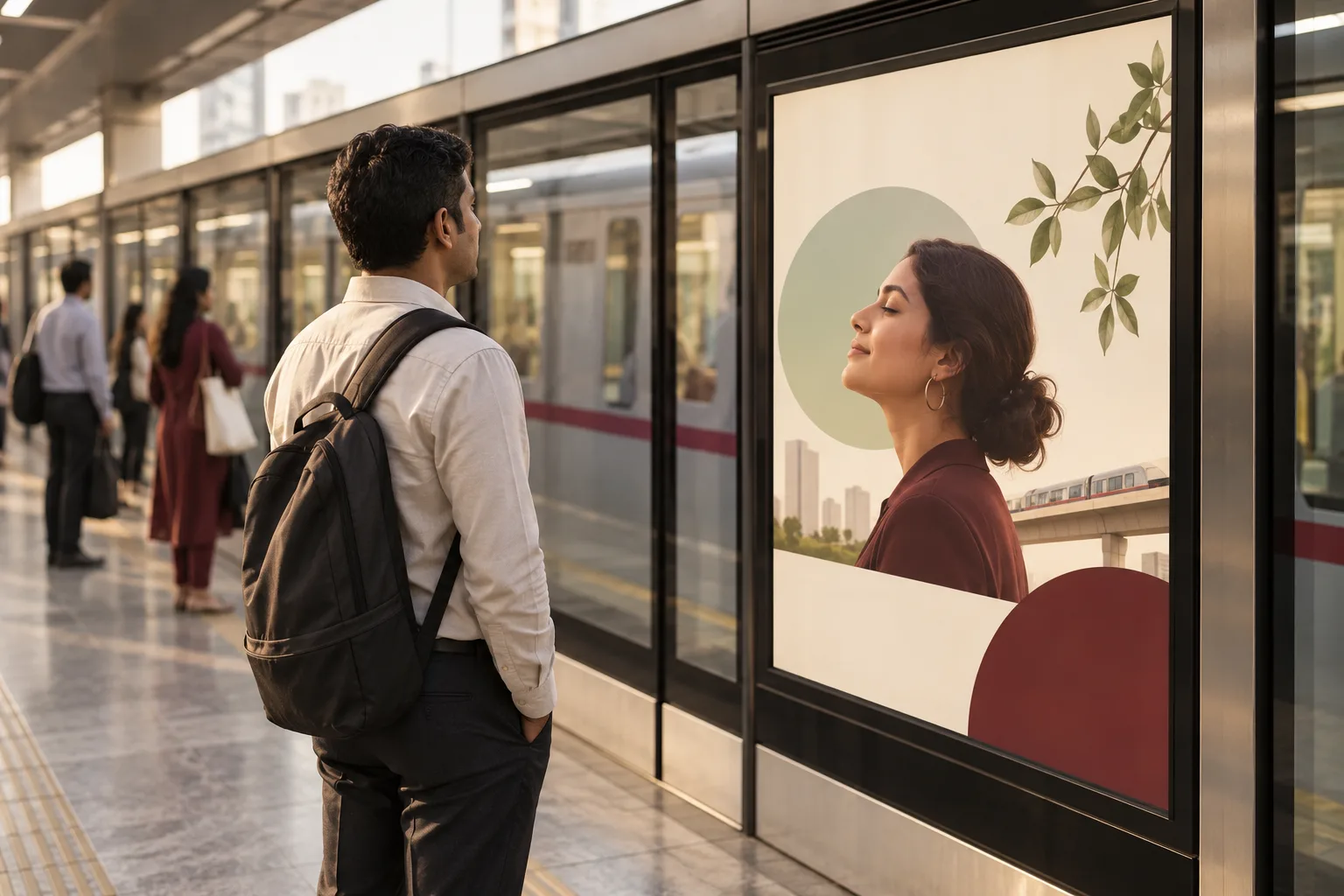 7 min read · 21 Sept 2026How to design metro and transit advertisingA commuter stands still in front of a platform panel for four minutes and passes the same one twice a day for a month. Design for the sixth viewing.
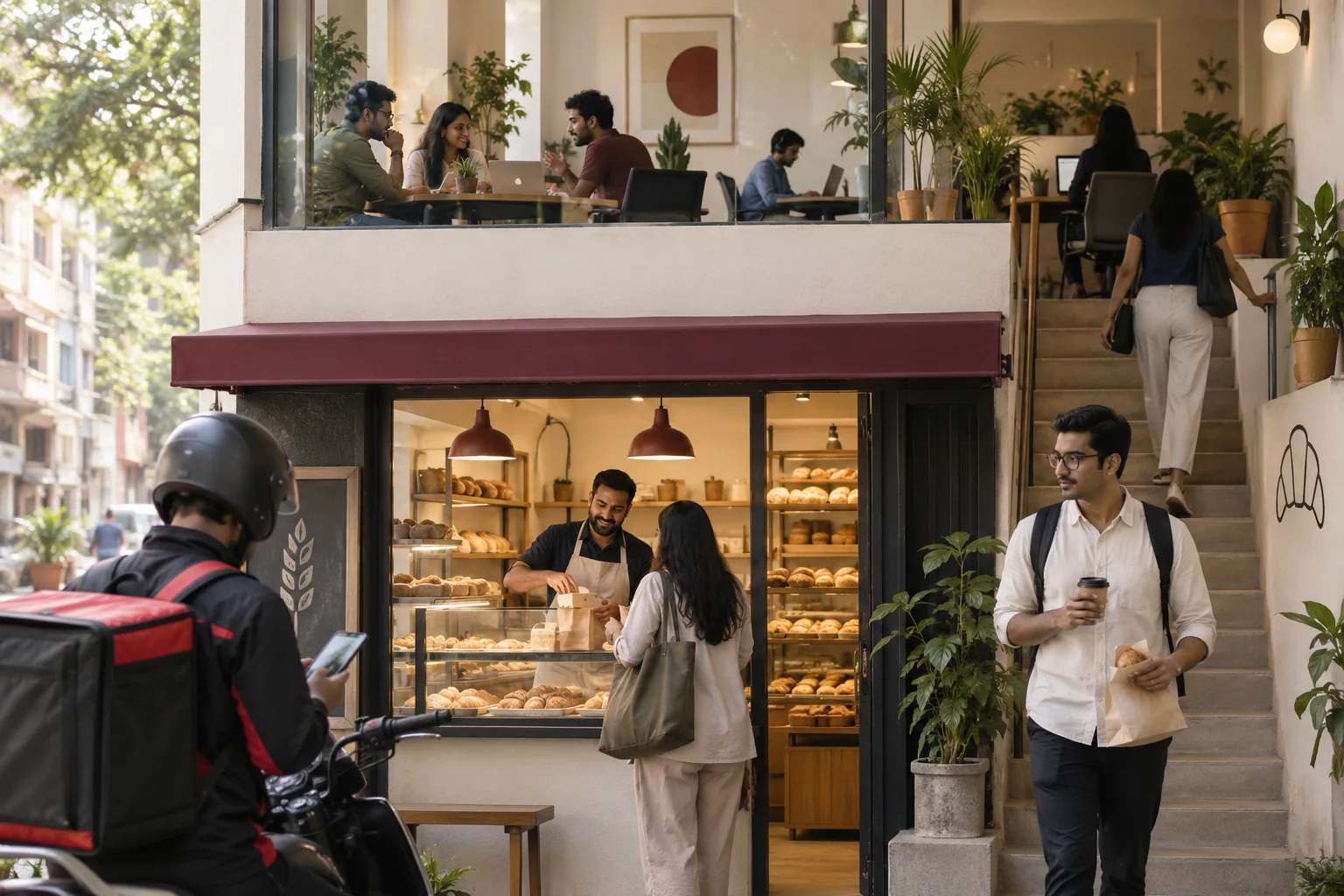 7 min read · 21 Sept 2026How to advertise to startup employeesThere is no tech park to buy. A forty person company sits above a bakery, so the audience is the neighbourhood, the delivery app and the coworking floor.
More for cafes and coffee shops
Related work to consider.
Closest to this: content and social
Also for cafes and coffee shops
Or start from the overview: sales and marketing for cafes and coffee shops.
Your next practical step
Tell us what you are trying to grow, and we will read it before we call.
Eight short steps, mostly taps. Skip anything you would rather answer on the call.