Mineral trading companies · Content marketing
Write the grade guides and lot notes a purchase officer keeps and forwards.
Content marketing for a mineral trader is plain, useful writing about grades, handling and buying that a plant's purchase team can pass around. GullySales works on the topics, the drafting with your team's knowledge and the places where the pieces are shared.
Scope, fee, reporting and term are agreed in writing after we have read your brief and spoken to you.
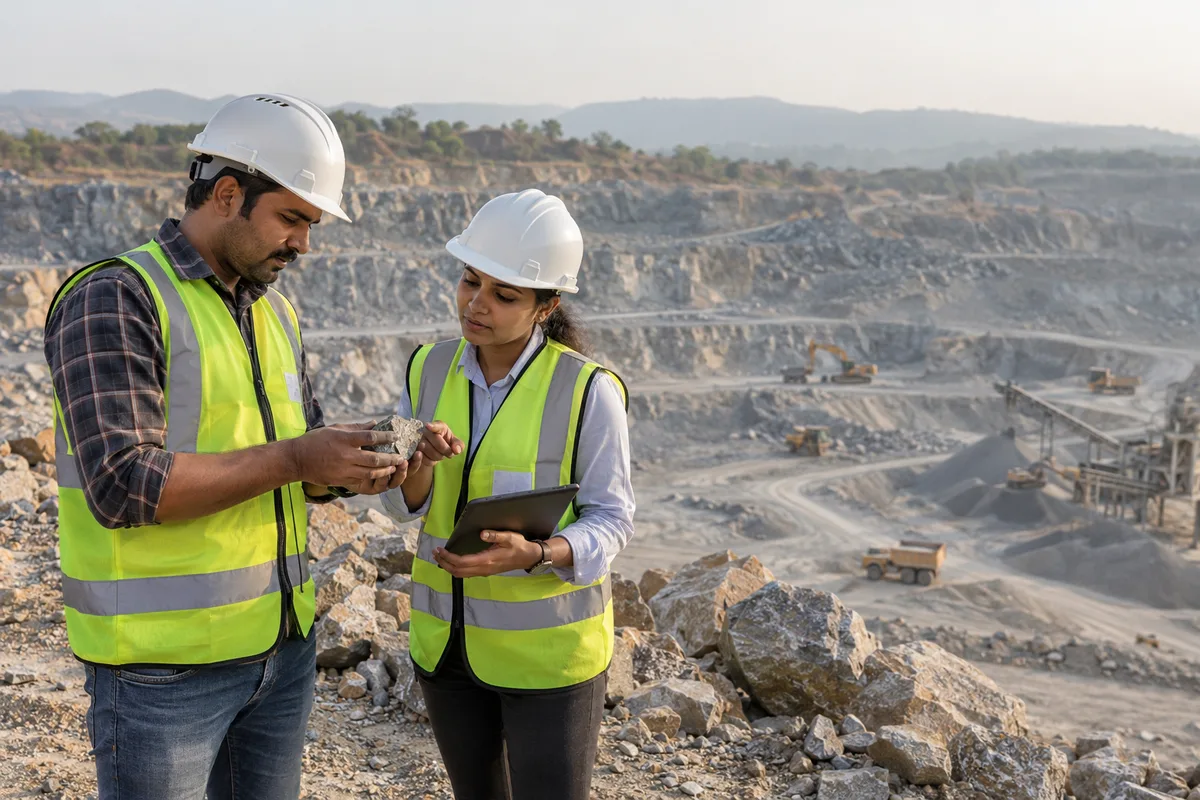
What content marketing means
Content marketing is writing articles, guides and pages that answer the questions buyers search before they are ready to enquire. This makes your business visible and trusted before the first call. GullySales plans this content from the first conversation onward, choosing topics that match real search demand rather than guesses.
Also for mineral trading companies
- Social media marketing for mineral traders
- Lead generation for mineral trading companies
- SEO for mineral trading companies
- Buyer personas for mineral traders
- CRM for mineral trading companies
- Follow-up systems for mineral traders
- WhatsApp marketing for mineral traders
- Digital marketing for mineral trading companies
Sales and marketing for mineral trading companies, the overview.
Last updated 18 Oct 2026.
For mineral trading companies
Where it usually goes wrong, and what we would do.
“Your desk already answers the same questions”
The team explains grade differences, loading practice and delivery basis again and again by phone. Each answer written once becomes a page, a PDF and a reply the desk can send in seconds.
“Technical readers distrust marketing language”
A purchase officer at a steel or cement plant reads for specification, not slogans. Content that states grade ranges, source regions and checking practice earns attention, and adjectives lose it.
“Market commentary is a risk”
A note about where rates are heading can be wrong by the time it is read. Write about how you buy, check and deliver, and keep any view on the market out of the printed page.
“The knowledge sits with one senior person”
The founder or a veteran dealer holds the know-how on grades and mines. Without a way to record it, nothing is written, and the firm sounds the same as every other trader.
What we do
What we deliver for mineral trading companies.
Every deliverable, what it covers for you, and the result it is there to produce. Nothing here is an extra.
Topic list from real questions
A list built from enquiries and calls: what buyers ask about each mineral and grade.
Result: Each topic traces back to a question your desk has actually answered.
Grade and handling guides
Short guides on a mineral, its common grades, how a lot is sampled and what a buyer should ask a supplier.
Result: A set of guides your salesperson can attach to a reply.
Interview-based drafting
A conversation with your senior dealer, turned into drafts that they correct before anything is released.
Result: Every published piece carries your own team's approval.
One-page buyer sheets
A printable sheet per mineral for plants that want paper or a PDF.
Result: A sheet exists for each mineral on the grade page.
Reuse plan
A note on where each piece goes: website, email to opted-in buyers, LinkedIn and WhatsApp.
Result: Each guide has a list of places it was sent.
How the result is measured
- Pages published
- Organic traffic
- Enquiries from content pages
Recorded as a baseline before work starts, so every later report has an honest comparison.
Who it is for
This is written for these mineral trading companies.
- Iron ore and manganese traders serving steel and ferroalloy plants
- Coal and coke traders for industry
- Limestone, dolomite and silica traders
- Bauxite and other ore traders
- Industrial mineral traders buying from several mines
- Aggregate and sand traders supplying infrastructure projects
- Commission agents and brokers working between mines and plants
- Traders who also export part of what they buy
How it works
How the content marketing work runs
The work itself, in order. How an engagement starts, from your brief to a written scope, is set out on our method page.
- 1
Confirm the plan
Topics and formats for the coming month are confirmed against the content strategy.
- 2
Produce and review
Content is written or filmed, then reviewed by someone who knows your trade before it goes out.
- 3
Publish and distribute
Finished content is published to the site and pushed through the channels your buyers actually use.
- 4
Track enquiries
Enquiries are traced back to content where a direct line exists, and reported honestly where it does not.
- 5
Report and adjust
We report results and adjust the next topics based on what actually worked.
Where this fits
Three pieces of sales work, in this order.
This work sits inside sales process design, at stage 0, foundation. The audit comes before it, and sales management keeps it running.
Step 1
Sales audit
Find where deals are being lost and what to fix first.
Start here if you cannot say where orders are lost.
Step 2 · you are here
Sales process design
One written way to sell, from first enquiry to repeat order.
Start here if every salesperson sells differently.
Step 3
Sales management
A target, a review routine and someone who owns the number.
Start here if the team has targets and no routine.
FAQ
Questions owners ask before they call.
Not here? More answers, or ask on WhatsApp.
We are traders, not writers. Who does the work?
Should we publish market views?
What topics suit a small mineral firm?
How much does it cost?
How long is the contract?
How soon will we see results?
What do you need from us?
What if we are not happy with the work?
More for mineral trading companies
Everything else we would do for you.
Closest to this: content and social
Also for mineral trading companies
Or start from the overview: sales and marketing for mineral trading companies.
Your next practical step
Tell us what you are trying to grow, and we will read it before we call.
Eight short steps, mostly taps. Skip anything you would rather answer on the call.