Mineral trading companies · Social media
Show plant buyers a firm that handles lots with care, on the platforms they read.
Social media for a mineral trader is a modest professional presence, mostly on LinkedIn, where purchase heads, plant managers and other traders spend time. GullySales works on the profile, the kind of posts worth making and a routine light enough to keep up.
Scope, fee, reporting and term are agreed in writing after we have read your brief and spoken to you.
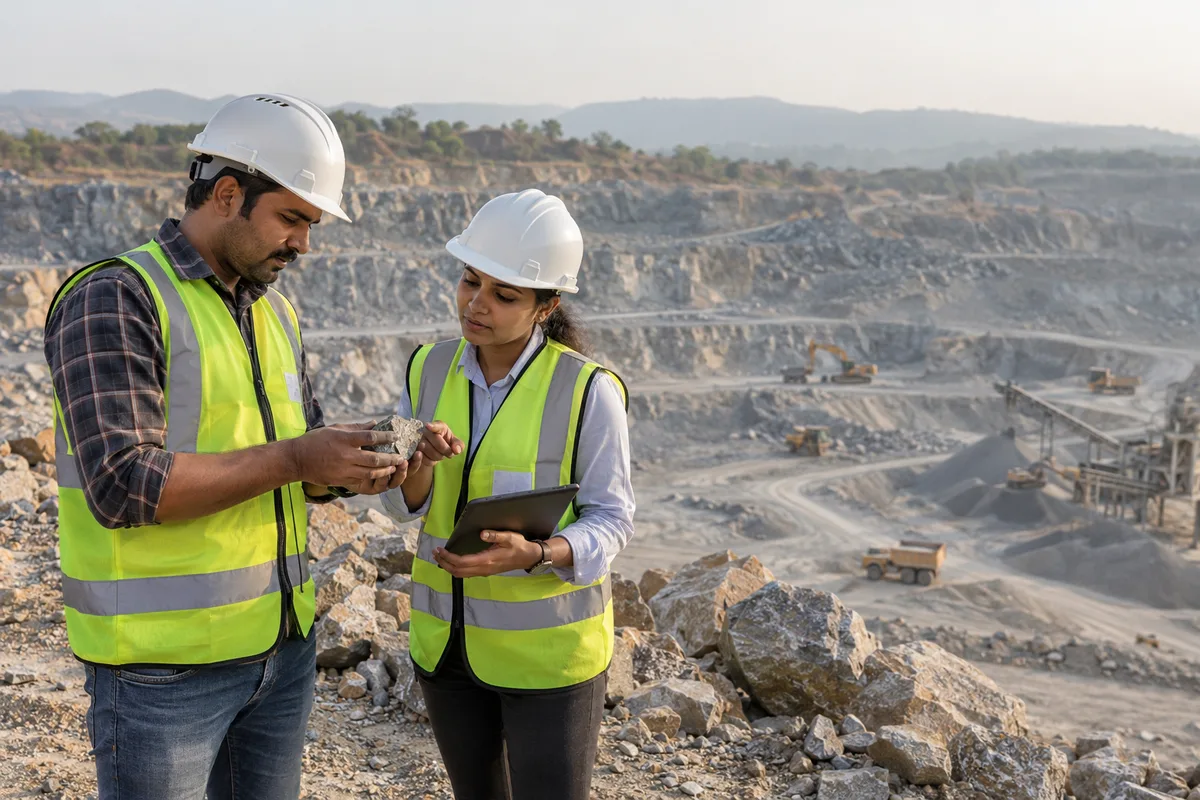
What social media means
Social media is the ongoing posting your business does on platforms such as Instagram, Facebook and LinkedIn to stay visible to customers and prospects between purchases. GullySales plans a posting calendar, writes captions and designs the images so the page looks active and answers what a visitor would ask.
Also for mineral trading companies
- Content marketing for mineral trading companies
- Lead generation for mineral trading companies
- SEO for mineral trading companies
- Buyer personas for mineral traders
- CRM for mineral trading companies
- Follow-up systems for mineral traders
- WhatsApp marketing for mineral traders
- Digital marketing for mineral trading companies
Sales and marketing for mineral trading companies, the overview.
Last updated 18 Oct 2026.
For mineral trading companies
Where it usually goes wrong, and what we would do.
“The audience is a few hundred people, not thousands”
A trader needs to be known by the purchase heads at plants that use their grades. A post that reaches those people is worth more than a post that reaches a large crowd with no use for ore or coal.
“Loading yards make honest content”
Photographs of a stockyard, a weighbridge slip or a loaded lorry show how lots are handled. Buyers take more from that than from a stock graphic with a slogan, so long as no customer or supplier is named without leave.
“Posts that reveal the supplier”
A picture with a mine's name board or a plant's gate can show your sourcing to the very buyer who might skip you. Check each image for names, board lettering and vehicle numbers before it goes up.
“Silence between the big deals”
A firm that posts only when a large lot closes looks idle the rest of the time. A steady, plain account of the grades on offer and the regions served keeps the profile alive.
What we do
What we deliver for mineral trading companies.
Every deliverable, what it covers for you, and the result it is there to produce. Nothing here is an extra.
Company page and owner profile
LinkedIn pages that state minerals, grades, regions and how to reach the desk.
Result: A plant visitor learns what you handle in the first screen.
Post types for a trader
A short list of formats such as a grade note, a yard photograph, a market observation and a hiring call.
Result: A set of formats the team can reuse without inventing each post.
Image and name check
A short checklist run before any picture is published, covering supplier, buyer and vehicle details.
Result: A written checklist the person posting follows each time.
Connection list with plant staff
A planned list of purchase and logistics staff to connect with, built from the target plant list.
Result: The list shows who has been invited and who has accepted.
Posting rhythm you can keep
A realistic pattern agreed with the people who will actually post, starting small.
Result: A written rhythm that fits the team's time and is revisited with you.
How the result is measured
- Posts published
- Engagement rate
- Enquiries from social profiles
Recorded as a baseline before work starts, so every later report has an honest comparison.
Who it is for
This is written for these mineral trading companies.
- Iron ore and manganese traders serving steel and ferroalloy plants
- Coal and coke traders for industry
- Limestone, dolomite and silica traders
- Bauxite and other ore traders
- Industrial mineral traders buying from several mines
- Aggregate and sand traders supplying infrastructure projects
- Commission agents and brokers working between mines and plants
- Traders who also export part of what they buy
How it works
How the social media work runs
The work itself, in order. How an engagement starts, from your brief to a written scope, is set out on our method page.
- 1
Understand your audience and platforms
We identify which platforms your specific buyers actually use and what kind of content they respond to.
- 2
Audit current presence
We review existing pages, past content performance and any gaps in consistency.
- 3
Build the content calendar
A plan is created, balancing genuine value with occasional direct offers.
- 4
Implement and post
Content is created and published consistently on the agreed schedule.
- 5
Measure and optimise
We track enquiries alongside engagement and adjust the content mix based on what actually performs.
Where this fits
Three pieces of sales work, in this order.
This work sits inside sales process design, at stage 0, foundation. The audit comes before it, and sales management keeps it running.
Step 1
Sales audit
Find where deals are being lost and what to fix first.
Start here if you cannot say where orders are lost.
Step 2 · you are here
Sales process design
One written way to sell, from first enquiry to repeat order.
Start here if every salesperson sells differently.
Step 3
Sales management
A target, a review routine and someone who owns the number.
Start here if the team has targets and no routine.
FAQ
Questions owners ask before they call.
Not here? More answers, or ask on WhatsApp.
Is social media worth it for a B2B mineral firm?
Can we post our rates?
Who writes and posts?
How much does it cost?
How long is the contract?
How soon will we see results?
Who will actually do the work?
What do you need from us?
What if we are not happy with the work?
More for mineral trading companies
Everything else we would do for you.
Closest to this: content and social
Also for mineral trading companies
Or start from the overview: sales and marketing for mineral trading companies.
Your next practical step
Tell us what you are trying to grow, and we will read it before we call.
Eight short steps, mostly taps. Skip anything you would rather answer on the call.