Mineral trading companies · Follow up systems
Keep every quoted lot on a list until the buyer confirms or says no.
A follow-up system for a mineral trader is the routine that returns to a buyer after a quote, checks what is stopping the order and records the answer. GullySales works on the quote board, the follow-up steps and the wording of each call or message.
Scope, fee, reporting and term are agreed in writing after we have read your brief and spoken to you.
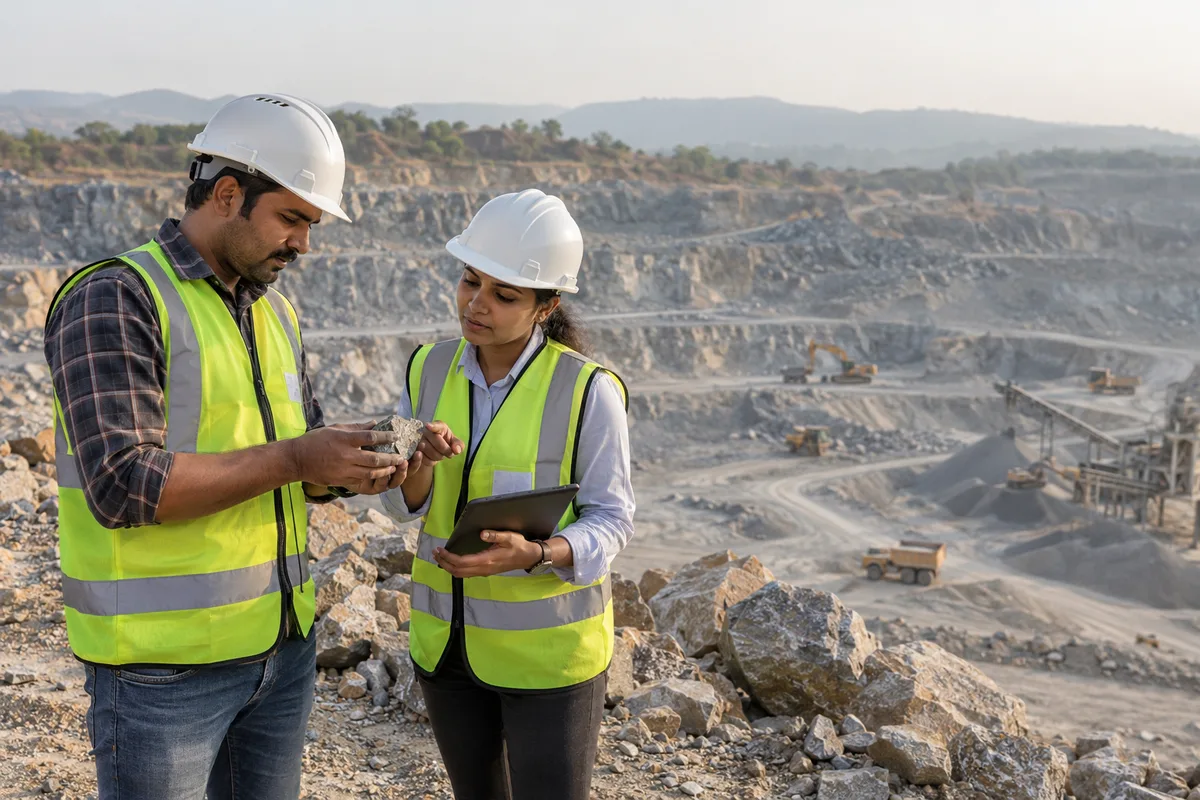
What follow up systems means
A follow-up system is the set routine for calling, messaging or emailing an enquiry more than once, since most buyers do not decide on the first conversation. GullySales sets the number and timing of follow-ups so an undecided buyer keeps hearing from you until they decide either way.
Also for mineral trading companies
- Lead generation for mineral trading companies
- CRM for mineral trading companies
- SEO for mineral trading companies
- Social media marketing for mineral traders
- Content marketing for mineral trading companies
- Buyer personas for mineral traders
- WhatsApp marketing for mineral traders
- Digital marketing for mineral trading companies
Sales and marketing for mineral trading companies, the overview.
Last updated 18 Oct 2026.
For mineral trading companies
Where it usually goes wrong, and what we would do.
“A quote is a promise with a clock on it”
The rate is valid for a stated time and the supplier's stock may move. A follow-up that arrives after the validity has lapsed means re-quoting from the start, and sometimes losing the lot.
“The buyer is waiting on someone else”
A plant may hold off because the technical team has not cleared the sample or the accounts team has not released credit. Knowing which wait it is tells you whom to speak to next.
“The lost lot teaches nothing unless it is recorded”
If a quote lapses and nobody asks why, the firm learns neither the competing rate nor the missed grade. A single line noted at closure gives the next quote something to work from.
“Credit follow-up is a separate job”
After delivery the chase turns to payment. It needs its own steps and tone, run by someone who can speak plainly about dates without damaging a relationship worth keeping.
What we do
What we deliver for mineral trading companies.
Every deliverable, what it covers for you, and the result it is there to produce. Nothing here is an extra.
Quote follow-up board
Every open quote listed with buyer, grade, quantity, rate, validity and next action.
Result: One list shows which quotes need a call today.
Follow-up steps by situation
A set of steps for a quote with no reply, a quote under technical review and a quote waiting on credit.
Result: Each situation has a defined next step and a message to use.
Message and call wording
Short scripts for the follow-up call and the WhatsApp reminder, written to sound like your firm.
Result: The team has wording to start from, and edits it freely.
Reasons for lost lots
A fixed list of reasons chosen when a quote is closed, such as rate, grade, delivery or buyer stopped.
Result: Each closed quote carries a reason.
Payment follow-up routine
Steps for reminding a buyer before and after a payment date, kept separate from sales follow-up.
Result: Overdue buyers are identified from the record, not from memory.
How the result is measured
- Follow-up completion rate
- Average number of follow-ups before close
- Enquiries closed after repeat follow-up
Recorded as a baseline before work starts, so every later report has an honest comparison.
Who it is for
This is written for these mineral trading companies.
- Iron ore and manganese traders serving steel and ferroalloy plants
- Coal and coke traders for industry
- Limestone, dolomite and silica traders
- Bauxite and other ore traders
- Industrial mineral traders buying from several mines
- Aggregate and sand traders supplying infrastructure projects
- Commission agents and brokers working between mines and plants
- Traders who also export part of what they buy
How it works
How the follow up systems work runs
The work itself, in order. How an engagement starts, from your brief to a written scope, is set out on our method page.
- 1
Measure today's reply time
From last month's enquiries, we measure how long each waited for a first reply and how many follow-ups it got.
- 2
Agree targets and the sequence
We set reply targets and the follow-up sequence with your team, based on its real hours and workload.
- 3
Set up templates, tasks and ownership
Templates, first-call questions, CRM tasks and named owners go live, with cover for leave and weekends.
- 4
Track and adjust every month
Reply time and follow-up completion are reported against the baseline, and the routine is changed where it is not kept.
Where this fits
Three pieces of sales work, in this order.
This work sits inside sales process design, at stage 2, qualification. The audit comes before it, and sales management keeps it running.
Step 1
Sales audit
Find where deals are being lost and what to fix first.
Start here if you cannot say where orders are lost.
Step 2 · you are here
Sales process design
One written way to sell, from first enquiry to repeat order.
Start here if every salesperson sells differently.
Step 3
Sales management
A target, a review routine and someone who owns the number.
Start here if the team has targets and no routine.
FAQ
Questions owners ask before they call.
Not here? More answers, or ask on WhatsApp.
How soon should we chase a quote?
Will repeated follow-up annoy plant buyers?
Can the board be shared across the team?
How much does it cost?
How long is the contract?
Who will actually do the work?
What do you need from us?
What if we are not happy with the work?
More for mineral trading companies
Everything else we would do for you.
Closest to this: leads and follow-up
Also for mineral trading companies
Or start from the overview: sales and marketing for mineral trading companies.
Your next practical step
Tell us what you are trying to grow, and we will read it before we call.
Eight short steps, mostly taps. Skip anything you would rather answer on the call.