Clothing stores and boutiques · Festive and seasonal advertising
Advertise to the shopper who plans the festive outfit before the festival.
Festive and seasonal advertising for a clothing store plans paid media around the weeks when families choose, fit and order outfits, not around the festival date itself. GullySales works backwards from your tailoring and delivery limits to set what is promoted, when it runs and how each enquiry is recorded.
Scope, fee, reporting and term are agreed in writing after we have read your brief and spoken to you.
What festive and seasonal advertising means
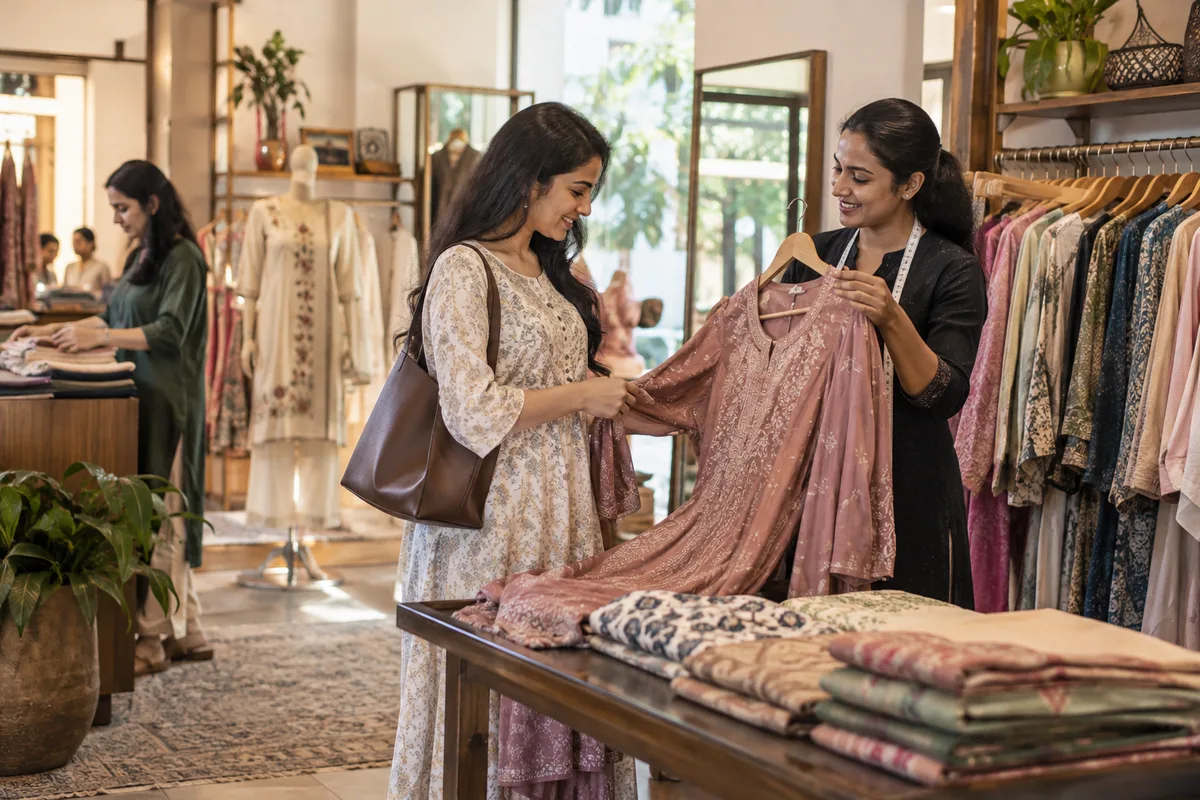
Festive and seasonal advertising plans paid media around the period when your buyers place orders, make bookings, or visit your shop. GullySales checks your offer and stock readiness, compares available media, and works backwards from the selling window to set booking deadlines and prepare a response route your sales team can track.
Also for clothing stores and boutiques
- PPC ads for clothing stores and boutiques
- Bus advertising for clothing stores and boutiques
- Cricket advertising for clothing stores and boutiques
- Digital out-of-home advertising for clothing stores and boutiques
- Google Shopping and product feed management for clothing stores and boutiques
- Grand opening and store launch advertising for clothing stores and boutiques
- Mall advertising for clothing stores and boutiques
- Meta catalogue and dynamic product ads for clothing stores and boutiques
Sales and marketing for clothing stores and boutiques, the overview.
Last updated 14 Nov 2026.
For clothing stores and boutiques
Where it usually goes wrong, and what we would do.
“The festival is the deadline, not the buying date”
A family choosing a lehenga or a festive kurta set visits shops, compares colours with relatives and asks about alterations well before the festival. If your advertising starts when the festival is near, the shopper has already chosen a shop. The plan has to begin with the date by which an outfit must be in the customer's hands, then count backwards through fitting, stitching and finishing.
“Stitching capacity sets the limit on the offer”
A boutique can only promise what the tailors can deliver. When advertising brings more orders than the workroom can finish, alteration dates slip and the shop spends the festival apologising on the phone. Before any media is booked, the number of custom orders the workroom can accept needs to be known, so that the advertisement can say what is ready to wear and what needs a fitting.
“Each festival buys a different outfit”
A shopper for Diwali wants something different from one for Onam, Eid, Durga Puja or a regional harvest festival, and a school function or a family wedding needs another thing again. One general sale message wastes the shop's best stock. Each period needs its own picture, its own colours and its own named product, chosen from what is actually on your racks and in your swatch book.
“Offers that nobody at the counter can explain”
A festive offer on a stitched set means little if the staff quote a different condition from the poster. The shopper asks whether the offer covers stitching, whether sale items can be altered and what the last order date is. Staff need one written answer to each question before the advertisement runs, or the offer causes disputes at the billing desk.
What we do
What we deliver for clothing stores and boutiques.
The work available for this need. We agree the deliverables and responsibilities for your engagement in writing.
Festive buying calendar for your shop
A dated sheet lists each festival and family occasion that matters to your customers, with the weeks in which they browse, fit and order. It is built from your own billing and order book, so it shows when your shoppers buy, not when the almanac says the festival falls.
Result: You can see for each festival the date by which an order must be placed to be delivered in time.
Order cut-off and capacity sheet
A single page records how many stitched or altered orders the workroom can finish for each occasion, the last date for fresh fabric orders and the last date for alterations. Staff and advertisements both quote it, so promised dates match what the tailors confirm.
Result: Every advertisement carries a last-order date that the workroom head has signed off.
Outfit-led campaign plan
The plan picks the products to feature for each occasion, such as a silk saree range, kidswear for a function or a men's kurta set, and matches each to the right medium. It shows which items you must have on display before any advertisement begins, so the shopper finds what was shown.
Result: Each featured outfit is on the shop floor, priced and tagged, before its advertisement goes live.
Media booking schedule
A schedule lists each newspaper supplement, hoarding, local radio spot, Instagram campaign or Maps update, with its booking deadline, artwork deadline and run dates. Each date is checked with the media owner or platform, and the current platform rules decide what can run.
Result: You hold one schedule of booking and artwork deadlines, each confirmed with the media owner.
Offer wording and counter script
The offer is written once in plain language, with conditions on stitching, alterations, exchange and last order dates. A short counter script lets every salesperson answer the same questions the same way, and the same wording appears on posters and in WhatsApp replies.
Result: Any two staff members give the same answer when a shopper asks about the offer.
Enquiry record and festive review sheet
A simple sheet notes how each shopper heard of you, which outfit they asked about and whether the order was placed. After the festival, the sheet is read against the numbers recorded before the campaign began, so the next festival is planned from your own figures.
Result: After the festival you can name the outfit and the medium behind each order.
How the result is measured
- Booked insertions, spots, or panels delivered on the agreed dates
- Media spend reconciled against the approved booking
- Clicks or response-link visits, separate from recorded enquiries
Recorded as a baseline before work starts, so every later report has an honest comparison.
Who it is for
This is written for these clothing stores and boutiques.
- Women's ethnic wear and saree boutiques
- Designer and occasion wear studios
- Multi-brand clothing and accessories stores
- Men's wear and ethnic wear stores
- Custom tailoring and blouse stitching studios
- Kids' wear stores
- School uniform retailers and suppliers
- Corporate, hospital and hospitality uniform suppliers
- Fashion accessories and jewellery boutiques
Before you decide
Agree the work. Know how to judge it.
Festive and seasonal advertising for clothing stores and boutiques: use these checks to prepare, choose the scope, and review what changes.
Bring the right evidence
State the buyer group, catchment, and dates that matter to the offer. Ask for the proposed inventory and available evidence about its audience, with the source and date shown.
Make the scope clear
Agree the exact placements, formats, booking period, and proof of delivery. Separate media charges from design, production, permissions, and installation where these apply.
Check the work in use
Compare delivery evidence with the agreed booking and record enquiries through a distinct response route where practical. Treat audience estimates separately from measured responses.
Know when to change course
Do not buy a placement only because it is discounted. If the location or audience does not fit the buyer, revisit the plan before committing production costs.
These are discussion points, not a fixed package. GullySales confirms the deliverables, responsibilities, fee, and term in writing after reading your brief and speaking with you.
Before we start
What to have ready before the work starts.
The records, access and decisions this work needs from clothing stores and boutiques. Anything missing is noted in the written scope, with who will supply it.
- Last festive season's order book
- We need bills, order slips and any alteration register from the previous festive period. They show which outfits and price points sold, and which orders ran late. Without them, the plan rests on memory, and the shop repeats a mistake it already paid for.
- Workroom capacity statement
- The head tailor or manager should state in writing how many stitched pieces, blouses and alterations can be finished for each occasion. This sets the offer. When it is missing, advertising may promise delivery dates the workroom cannot meet, and the shop pays for the complaints.
- Stock list with photographs
- A list of fabrics, ready-to-wear sets and accessories, each with a clear photograph and a price. The advertisement can only show items that exist. When stock photographs are missing, artwork is built from supplier images, and shoppers arrive asking for something the shop does not hold.
- Decision on the festive offer
- The owner decides what the offer is, what it covers and what it excludes, including stitching, alterations and exchange. Without this decision the artwork waits and booking deadlines pass, and staff invent conditions at the counter when a shopper asks.
- One person for festive enquiries
- Name the person who answers festive messages and records where each came from. The campaign brings WhatsApp messages and walk-ins at the same time. When nobody owns the replies, enquiries wait unanswered, and we cannot say which media produced an order.
How it works
How the festive and seasonal advertising work runs
The work itself, in order. How an engagement starts, from your brief to a written scope, is set out on our method page.
- 1
Collect last festival's order book
We begin with your billing records, order book and photographs from the last festive period. We note which outfits sold, which were returned, which orders were late and how customers described what they wanted. These figures are the baseline, and the result is read against them once the campaign has finished.
- 2
Fix the workroom's real capacity
The head tailor or workroom manager confirms how many stitched orders and alterations the shop can finish for each occasion, and which fabrics are in stock. We write these limits on a page that stays beside the plan. If capacity is small, the campaign promotes ready-to-wear and made-to-measure stock accordingly.
- 3
Map the shopper's buying weeks
Working backwards from each festival, we mark the weeks when families browse, try on, choose fabric, take measurements and collect. A saree buyer, a bridal party and a school parent each follow a different order. The map decides when each message should appear, and which outfit it should show.
- 4
Choose outfits and media together
For each occasion we pair a small set of outfits with the media that reach those shoppers, whether a newspaper supplement, a local hoarding, a Maps update or an Instagram placement. We check booking dates with the media owner and read the platform's current rules before any artwork is prepared.
- 5
Approve the offer, artwork and counter script
You approve the offer wording, artwork and the counter script in writing. We check that each pictured outfit is on the floor and that the last-order date matches the workroom sheet. The staff meeting that explains the offer happens before the first advertisement appears, so no shopper meets an unprepared counter.
- 6
Record enquiries and read the result
During the festive period, staff note the source and outfit for every enquiry on the shared sheet. Afterwards we compare orders, late deliveries and returns with the figures from the baseline. The comparison goes into the plan for the next occasion, with the outfits and media worth repeating marked.
Where this fits
Three pieces of sales work, in this order.
This work sits inside sales process design, at stage 1, prospecting and lead generation. The audit comes before it, and sales management keeps it running.
Step 1
Sales audit
Find where deals are being lost and what to fix first.
Start here if you cannot say where orders are lost.
Step 2 · you are here
Sales process design
One written way to sell, from first enquiry to repeat order.
Start here if every salesperson sells differently.
Step 3
Sales management
A target, a review routine and someone who owns the number.
Start here if the team has targets and no routine.
FAQ
Questions owners ask before they call.
Not here? More answers, or ask on WhatsApp.
When should a boutique start advertising for a festival?
Should we advertise ready-to-wear or stitched outfits?
Do we need a different advertisement for each festival?
Can you plan advertising when the festival date moves?
How do we know the advertising worked?
What if we cannot finish all the orders advertising brings?
How much does it cost?
How long is the contract?
How soon will we see results?
Who will actually do the work?
From the blog
Further reading for clothing stores and boutiques.
 5 min read · 29 Sept 2026Festival and wedding-season stock and promotion timing for retailersHow a retailer lines up promotion with the stock cycle in festival and wedding season: what to announce before, during and after, and when to stop.
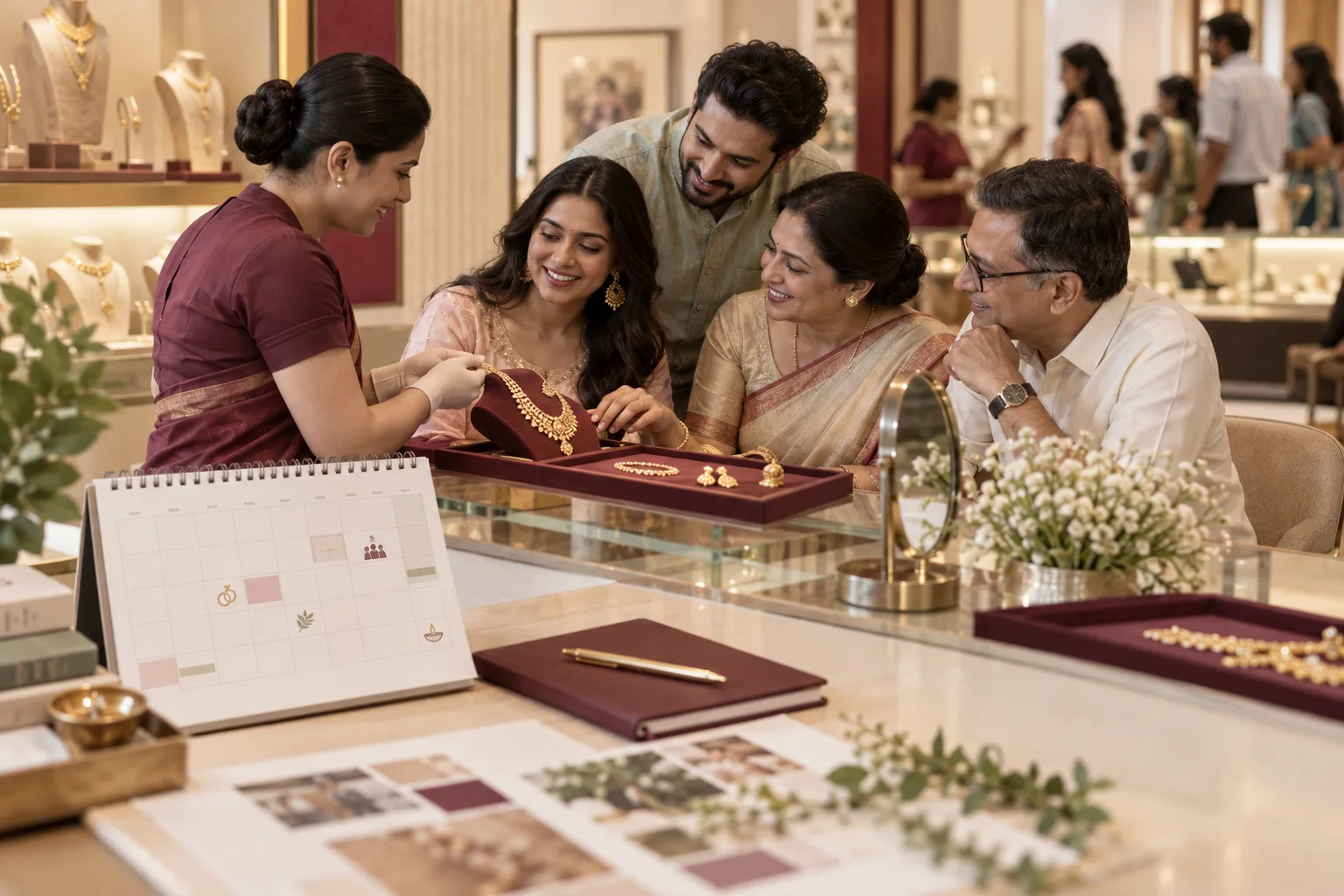 6 min read · 6 Feb 2025How to increase jewellery store footfallJewellery footfall follows a calendar you already own. Plan against the buying seasons and the wedding dates, and sell to the family that decides together.
 6 min read · 21 Sept 2026Influencer marketing vs social media advertising: which one should you pay for?An ad is a message you control, shown to people you choose. A creator post is a recommendation you do not control, shown to people who chose the creator.
More for clothing stores and boutiques
Related work to consider.
Closest to this: paid and media
- PPC ads for clothing stores and boutiques
- Bus advertising for clothing stores and boutiques
- Cricket advertising for clothing stores and boutiques
- Digital out-of-home advertising for clothing stores and boutiques
- Google Shopping and product feed management for clothing stores and boutiques
- Grand opening and store launch advertising for clothing stores and boutiques
- Mall advertising for clothing stores and boutiques
- Meta catalogue and dynamic product ads for clothing stores and boutiques
Also for clothing stores and boutiques
Or start from the overview: sales and marketing for clothing stores and boutiques.
Your next practical step
Tell us what you are trying to grow, and we will read it before we call.
Eight short steps, mostly taps. Skip anything you would rather answer on the call.