Clothing stores and boutiques · Mall advertising
Put your outfits in front of shoppers who are already dressing for an occasion.
Mall advertising for a boutique is paid space inside a named mall, such as a kiosk, an atrium display, a lift panel or a screen slot, that sends a shopper to your shop for a fitting. GullySales compares positions around the mall's apparel tenants, coordinates booking and approvals with the mall, and sets up a response route your team can trace.
Scope, fee, reporting and term are agreed in writing after we have read your brief and spoken to you.
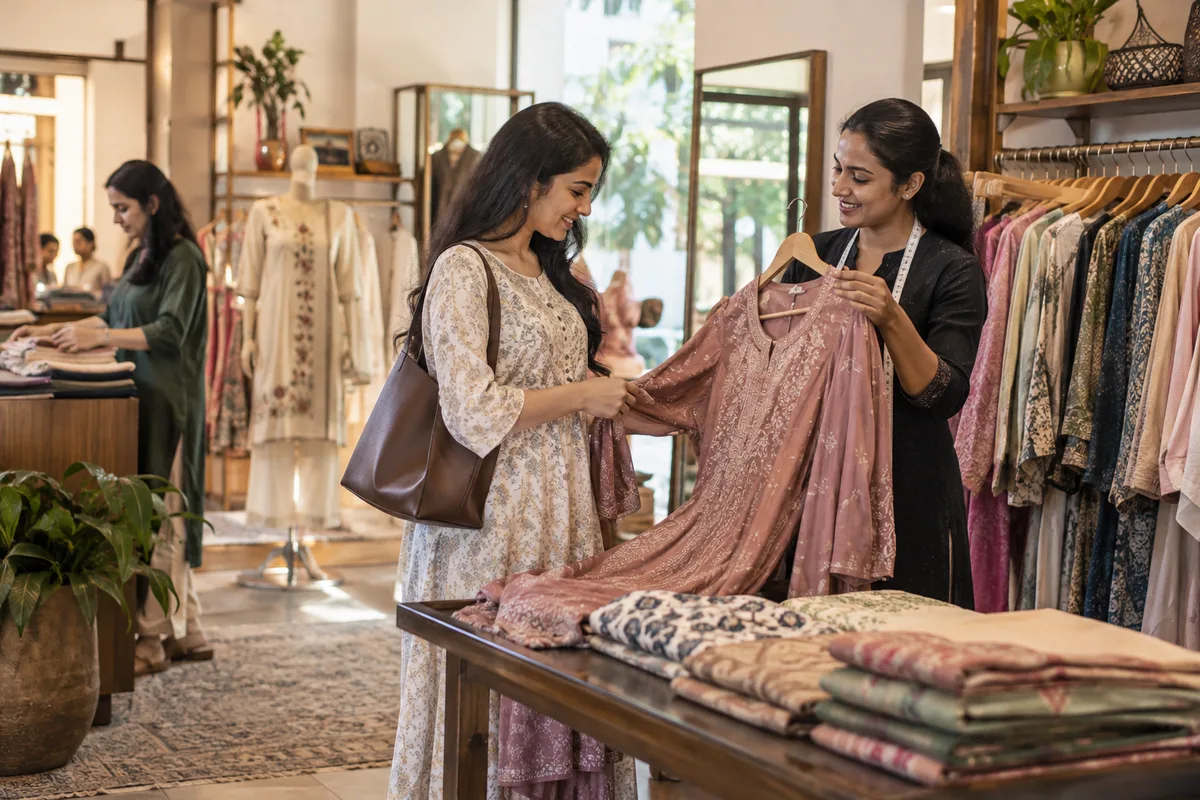
What mall advertising means
Mall advertising is paid space inside a named mall for a fixed period, from a staffed kiosk or atrium activation to lift panels and screen slots. GullySales compares locations and formats, coordinates booking and mall approvals, and sets up a response route so your sales team can trace enquiries to the placement.
Also for clothing stores and boutiques
- PPC ads for clothing stores and boutiques
- Bus advertising for clothing stores and boutiques
- Cricket advertising for clothing stores and boutiques
- Digital out-of-home advertising for clothing stores and boutiques
- Festive and seasonal advertising for clothing stores and boutiques
- Google Shopping and product feed management for clothing stores and boutiques
- Grand opening and store launch advertising for clothing stores and boutiques
- Meta catalogue and dynamic product ads for clothing stores and boutiques
Sales and marketing for clothing stores and boutiques, the overview.
Last updated 14 Nov 2026.
For clothing stores and boutiques
Where it usually goes wrong, and what we would do.
“The mall's apparel tenants may block you”
Fashion anchors and large apparel chains hold exclusivity for the product types they sell. A boutique that books a kiosk for sarees or occasion wear can be refused at the approval stage, after the artwork is printed. The permission has to be asked in writing before any money moves, naming the garments you intend to show, and the answer kept with the booking so a later dispute has a record.
“A shopper in a mall is not yet shopping for you”
A visitor walking past the atrium came for a film, a meal or a phone repair. A wedding outfit is a planned purchase, made with a mother or sister, so a kiosk has to give a reason to note your name and come to the shop later. Standing there with a rail of clothes and no way to continue the conversation turns a busy mall into a quiet booking.
“Clothes need touch, light and a place to try”
Fabric, embroidery and drape do not read from a lift panel photograph. A kiosk with poor lighting makes a silk look flat, and a stall with no mirror or trial arrangement loses the shopper who wanted to see the fit. The format has to match what can be judged at a glance, and what must wait for a fitting in your own shop.
“The dates that matter are not the mall's dates”
A mall charges more for festival and weekend slots, and those are also the weeks when your shoppers are choosing outfits. Booking a quiet fortnight to save money can place the advertisement after the family has already bought. The dates should follow your wedding calendar, festival list and school reopening, set against the mall's quoted premiums.
What we do
What we deliver for clothing stores and boutiques.
The work available for this need. We agree the deliverables and responsibilities for your engagement in writing.
Mall and catchment shortlist
A written shortlist of malls linked to where your wedding and festival shoppers live, with the neighbouring areas and the existing apparel tenants recorded. Each recommendation states why the mall suits a boutique and why other malls were left out, so you can question the reasoning rather than accept a name.
Result: You can read, mall by mall, which shoppers it reaches and which tenants compete.
Exclusivity and permission record
Written confirmation from the mall of which garment types you may show, whether sampling or live fitting is allowed, and whether staffed activations need a vendor pass. Anything the mall refuses is recorded before you commit, with the name of the person who answered.
Result: The booking file holds the mall's written answer on your garment types.
Marked placement plan
The proposed kiosk, panel or screen position marked on the mall's floor plan, beside the shops around it, the entrances and the walking routes. Your approval refers to that marked spot, not to an unnamed space somewhere inside the building.
Result: Your sign-off names a marked position on a floor plan.
Format and date comparison
Kiosk, atrium display, lift panel and screen options compared on one basis, with the booking unit, the weekend or festival premium and the production cost set side by side. The dates are matched to your wedding calendar and school reopening, not to the mall's quietest slots.
Result: Every option sits in one table with the same costs listed.
Kiosk and artwork approval pack
Artwork and stall drawings prepared to the mall's dimensions, with lighting, fabric display and electrical needs listed for the mall's approval. Production starts only after the approval is recorded, so printed material is not left waiting for permission.
Result: A dated approval from the mall exists before anything is printed.
Shopper note-taking and response route
A short script for the person on the kiosk, a card or form that records name, occasion and event date with the shopper's consent, and a QR code or WhatsApp keyword used for this mall alone. Your team tests it before the display opens.
Result: A response from the mall reaches your team with the occasion attached.
How the result is measured
- Booked placements and dates delivered, supported by evidence
- QR scans and initial responses, separate from qualified enquiries
- Qualified enquiries with a recorded requirement and sales owner
Recorded as a baseline before work starts, so every later report has an honest comparison.
Who it is for
This is written for these clothing stores and boutiques.
- Women's ethnic wear and saree boutiques
- Designer and occasion wear studios
- Multi-brand clothing and accessories stores
- Men's wear and ethnic wear stores
- Custom tailoring and blouse stitching studios
- Kids' wear stores
- School uniform retailers and suppliers
- Corporate, hospital and hospitality uniform suppliers
- Fashion accessories and jewellery boutiques
Before you decide
Agree the work. Know how to judge it.
Mall advertising for clothing stores and boutiques: use these checks to prepare, choose the scope, and review what changes.
Bring the right evidence
State the buyer group, catchment, and dates that matter to the offer. Ask for the proposed inventory and available evidence about its audience, with the source and date shown.
Make the scope clear
Agree the exact placements, formats, booking period, and proof of delivery. Separate media charges from design, production, permissions, and installation where these apply.
Check the work in use
Compare delivery evidence with the agreed booking and record enquiries through a distinct response route where practical. Treat audience estimates separately from measured responses.
Know when to change course
Do not buy a placement only because it is discounted. If the location or audience does not fit the buyer, revisit the plan before committing production costs.
These are discussion points, not a fixed package. GullySales confirms the deliverables, responsibilities, fee, and term in writing after reading your brief and speaking with you.
Before we start
What to have ready before the work starts.
The records, access and decisions this work needs from clothing stores and boutiques. Anything missing is noted in the written scope, with who will supply it.
- Best sellers and photographs
- Choose the outfits you want to be known for and have clear photographs of them in good light. Mall panels and screens magnify poor images, and a kiosk with the wrong outfits attracts the wrong enquiry. Without these, the artwork defaults to generic fashion pictures that say nothing about your shop.
- Your wedding and festival calendar
- Write down the weeks your shoppers choose outfits and the weeks your tailors are full. The mall's slots are sold by date, and the quoted premium is only worth paying when it falls before the decision. Without the calendar, the booking follows the mall's availability, not your buyers.
- A person to staff the kiosk
- Someone who knows the garments, can talk about fit and can be trusted with the shopper's details should stand at the kiosk. A hired promoter without product knowledge hands out leaflets and returns phone numbers that mean nothing. If nobody is available, a panel or screen is the safer format.
- Customer record and fitting slots
- Decide where a new name will be written down and how many fitting appointments you can honour in the weeks after the display. A response that waits for a free slot loses the family to another shop. Your existing sizes and occasion notes show what to ask for.
- Mall contact and approval authority
- Name the person at the mall who gives written approval, and tell us your own sign-off on spend. Mall approvals run through the marketing team or an appointed agency, and without a named contact the artwork and stall drawings sit waiting while the booking dates move closer.
How it works
How the mall advertising work runs
The work itself, in order. How an engagement starts, from your brief to a written scope, is set out on our method page.
- 1
Agreeing the shopper and the occasion
We start with who the placement must reach: the bride and family, the festival shopper, or the school parent. You give us your best sellers and your busiest weeks, and your own records of who visited the shop, so that the baseline is written down before any booking is discussed.
- 2
Checking tenants and permissions
The mall's marketing team, or its appointed agency, tells us which positions are open and which garment types are protected by a tenant. We settle this first, because a refusal after production is the expensive mistake. You see the written answer before you approve a format.
- 3
Choosing the position and dates
You review the marked position on the floor plan, the booking dates against your calendar, and the quoted costs including any festival premium. The booking goes ahead through the mall or its appointed seller, in your name, and you pay the mall directly.
- 4
Preparing the kiosk and artwork
Artwork and stall drawings go to the mall for approval. We ask for a sample of the fabrics to be photographed under the mall's lighting, so the picture shows the cloth honestly. Production starts after approval, and the installation slot is confirmed with the mall.
- 5
Briefing the people on the kiosk
Whoever stands at the kiosk is given an opening question, a short explanation of what the shop offers for an occasion, and the note-taking card. They are told what not to promise, such as delivery dates and prices for custom work, which belong to your fitting conversation.
- 6
Reading the display against the record
After the display, we compare dated photographs with the booking and the recorded responses with your baseline. We separate people who only took a leaflet from those who booked a fitting or placed an order, and note what to change before another booking is considered.
Where this fits
Three pieces of sales work, in this order.
This work sits inside sales process design, at stage 1, prospecting and lead generation. The audit comes before it, and sales management keeps it running.
Step 1
Sales audit
Find where deals are being lost and what to fix first.
Start here if you cannot say where orders are lost.
Step 2 · you are here
Sales process design
One written way to sell, from first enquiry to repeat order.
Start here if every salesperson sells differently.
Step 3
Sales management
A target, a review routine and someone who owns the number.
Start here if the team has targets and no routine.
FAQ
Questions owners ask before they call.
Not here? More answers, or ask on WhatsApp.
Is mall advertising worth it for a boutique that is not inside the mall?
Can I put up a kiosk and sell outfits in the mall?
Which format suits a boutique, a kiosk or a lift panel?
How do I know which shoppers came from the mall?
What happens if the mall refuses my garments?
Do I need to attend the mall during the display?
How much does it cost?
How long is the contract?
How soon will we see results?
Who will actually do the work?
From the blog
Further reading for clothing stores and boutiques.
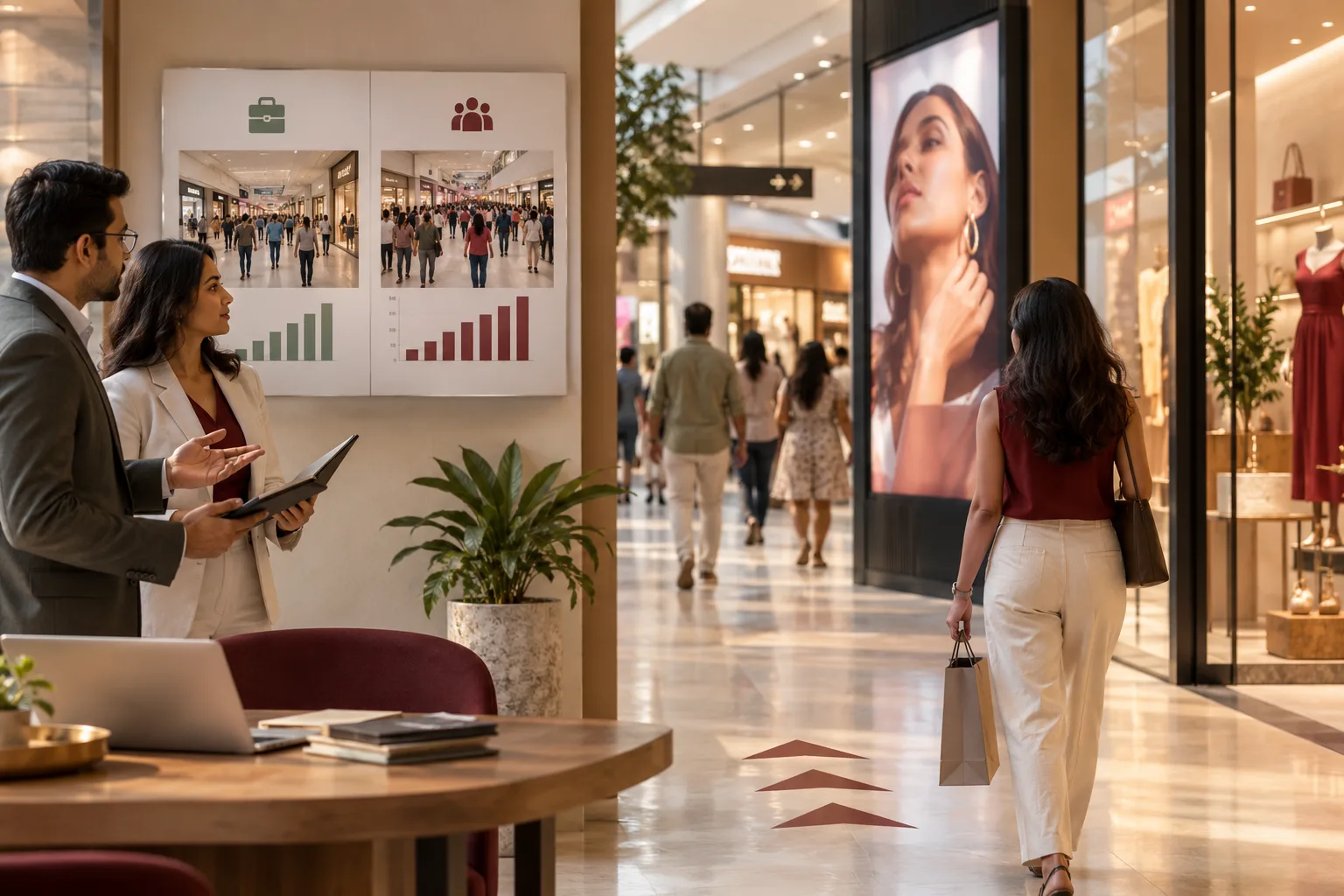 8 min read · 21 Sept 2026How to advertise to mall shoppersThe shopper is already inside. Your landlord sells the media that reaches them, and the decision falls in the last thirty metres.
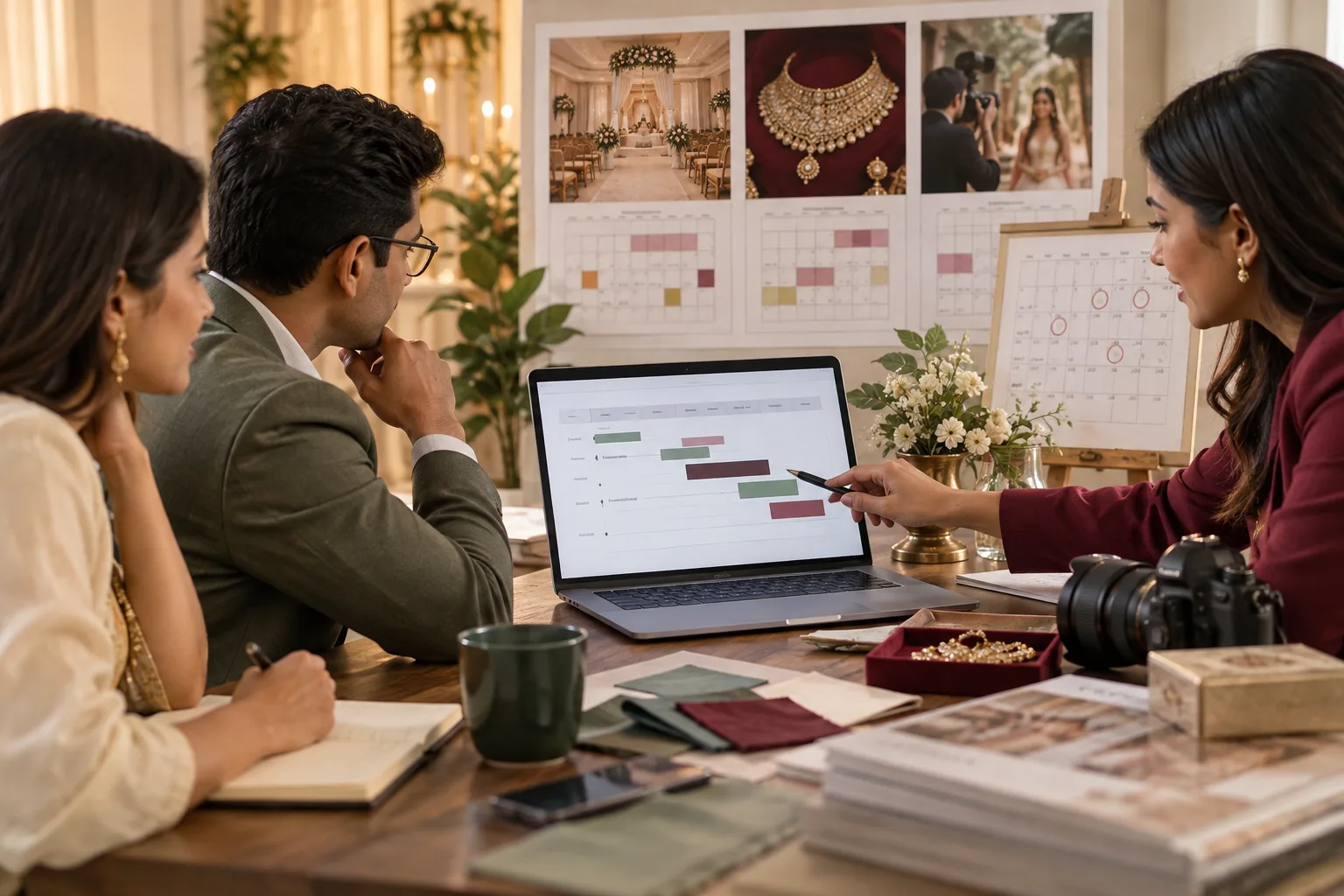 5 min read · 29 Sept 2026Festival and wedding-season stock and promotion timing for retailersHow a retailer lines up promotion with the stock cycle in festival and wedding season: what to announce before, during and after, and when to stop.
 6 min read · 21 Sept 2026Influencer marketing vs social media advertising: which one should you pay for?An ad is a message you control, shown to people you choose. A creator post is a recommendation you do not control, shown to people who chose the creator.
More for clothing stores and boutiques
Related work to consider.
Closest to this: paid and media
- PPC ads for clothing stores and boutiques
- Bus advertising for clothing stores and boutiques
- Cricket advertising for clothing stores and boutiques
- Digital out-of-home advertising for clothing stores and boutiques
- Festive and seasonal advertising for clothing stores and boutiques
- Google Shopping and product feed management for clothing stores and boutiques
- Grand opening and store launch advertising for clothing stores and boutiques
- Meta catalogue and dynamic product ads for clothing stores and boutiques
Also for clothing stores and boutiques
Or start from the overview: sales and marketing for clothing stores and boutiques.
Your next practical step
Tell us what you are trying to grow, and we will read it before we call.
Eight short steps, mostly taps. Skip anything you would rather answer on the call.