Clothing stores and boutiques · Cricket advertising
Buy the cricket placement a clothing shop can use, not the biggest package.
For a clothing shop, cricket advertising means a defined placement around matches, such as a local club or league sponsorship, ground signage, or a regional streaming spot, bought from the party that owns it. GullySales checks what is available against your catchment, compares itemised inventory, and plans how the shop will recognise visitors who came from it.
Scope, fee, reporting and term are agreed in writing after we have read your brief and spoken to you.
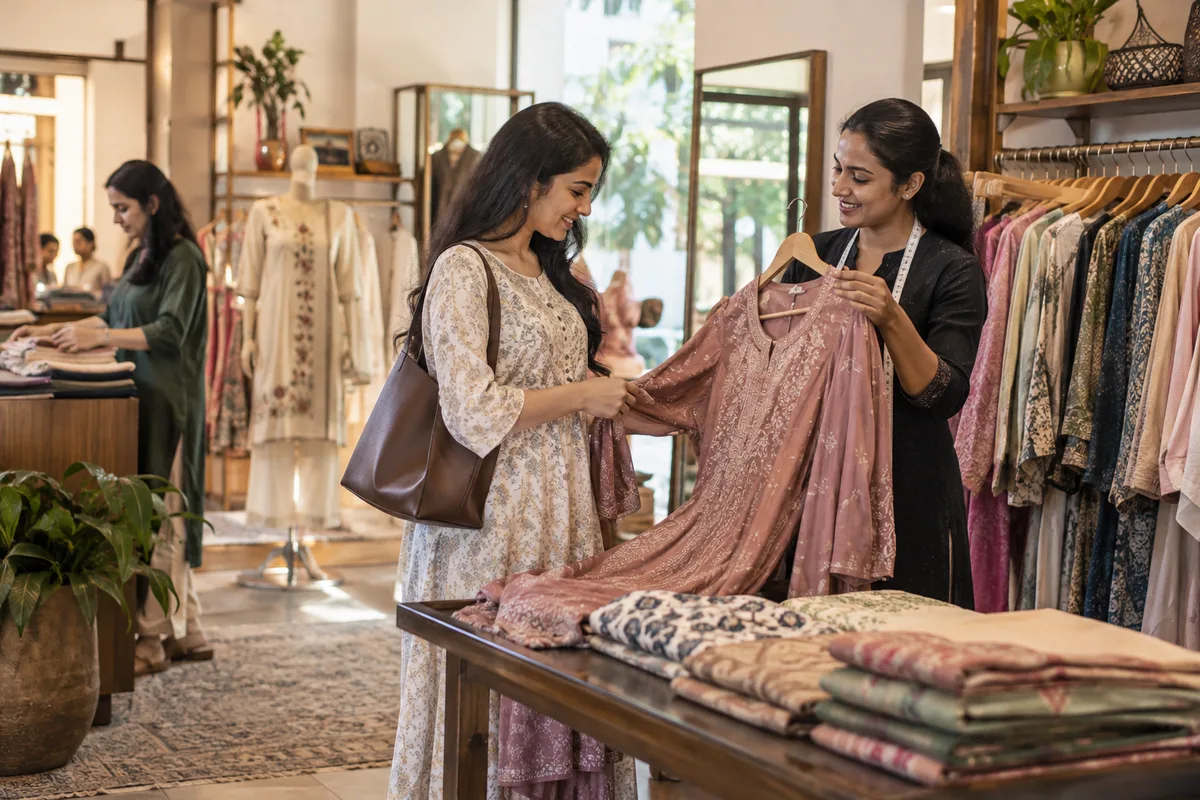
What cricket advertising means
Cricket advertising buys defined placements around matches, such as broadcast spots, streaming advertisements, ground signage or team sponsorship rights, from the party authorised to sell them. GullySales checks availability against your market and budget, compares the inventory, coordinates booking and approvals, and plans a traceable response route alongside the exposure.
Also for clothing stores and boutiques
- PPC ads for clothing stores and boutiques
- Bus advertising for clothing stores and boutiques
- Digital out-of-home advertising for clothing stores and boutiques
- Festive and seasonal advertising for clothing stores and boutiques
- Google Shopping and product feed management for clothing stores and boutiques
- Grand opening and store launch advertising for clothing stores and boutiques
- Mall advertising for clothing stores and boutiques
- Meta catalogue and dynamic product ads for clothing stores and boutiques
Sales and marketing for clothing stores and boutiques, the overview.
Last updated 14 Nov 2026.
For clothing stores and boutiques
Where it usually goes wrong, and what we would do.
“National packages reach shoppers you cannot serve”
A tournament broadcast spot is bought for a national audience, and a boutique serves a neighbourhood or a city. Paying to be seen where the shop cannot sell or deliver is a poor use of a small budget. For a clothing shop the useful cricket buy is local: a club kit, a ground board in the area, or a streaming placement the seller can confirm is limited to the region.
“The audience is not always the buyer”
Cricket crowds are not a clothing shop's usual shoppers, and the shopper who buys occasion wear for a family is a different person from the one in the stands. The sensible uses are men's wear, ethnic wear for men, sports and club kit, and school or institutional uniforms. The review starts by asking who in the household buys, and whether cricket reaches that person.
“A sponsor name is not a visible logo”
Kit placement, permitted logo size and camera angle decide what a viewer reads. A shop that is named as sponsor in a proposal may end up with a small logo on a sleeve. Ground boards may be rotating digital boards or virtual inserts that appear only on the broadcast. Each item needs a written description before the price is judged.
“Match dates rarely match the shop's busy weeks”
Cricket fixtures follow the sporting calendar, and a clothing shop sells to the wedding and festival calendar. A sponsorship that runs when the shop is quiet builds a name but not a fitting appointment. The review lays the fixture dates over the shop's own busy weeks, and a smaller placement that falls on the right dates can serve better than a larger one that does not.
What we do
What we deliver for clothing stores and boutiques.
The work available for this need. We agree the deliverables and responsibilities for your engagement in writing.
Local availability shortlist
Placements open with the relevant club, league organiser, ground owner, broadcaster or streaming seller, matched to the area the shop serves. You check each named match and seller against the roads and neighbourhoods your shoppers come from.
Result: Every option on the list names its seller and the matches it covers.
Itemised inventory schedule
A written list of what the shop receives: kit positions, board positions, announcements, spots and the matches they apply to, with quantities. Benefits with no written description, such as general association, are flagged before you approve the spend.
Result: No item you pay for is described only as a general benefit.
Signage classification note
Each proposed board is identified as physical signage inside the ground, a rotating digital board or a virtual broadcast insert. The note states whether it reaches spectators at the ground, viewers at home or both, so the shop knows which shoppers it can reach.
Result: Each board is classified, and you know who can see it.
Rights and exclusivity record
Written confirmation of the association wording the shop may use and any restriction on rival clothing brands. Verbal promises from a sales call are marked as unresolved until the seller puts them in writing, so the shop does not print a claim it has no right to make.
Result: Each rights point is either written down by the seller or marked unresolved.
Artwork and approval file
Artwork or film requirements, approved versions and the party responsible for submission are recorded together. You approve the shop's message and claims. The rights holder clears the placement against its own requirements, and the record shows who approved what.
Result: You hold the approved version of every artwork placed.
Response route and delivery evidence
A fitting code, campaign number or counter question agreed for the advertising window, plus telecast logs, photographs or screenshots checked against the booking. Missing evidence and differences from the order are listed for the seller to resolve.
Result: You hold evidence for each placement and a tally of attributed visits.
How the result is measured
- Contracted inventory delivered and unresolved delivery differences
- Spots shown and digital impressions reported by the seller, as exposure measures
- Campaign-coded enquiries and redemptions
Recorded as a baseline before work starts, so every later report has an honest comparison.
Who it is for
This is written for these clothing stores and boutiques.
- Women's ethnic wear and saree boutiques
- Designer and occasion wear studios
- Multi-brand clothing and accessories stores
- Men's wear and ethnic wear stores
- Custom tailoring and blouse stitching studios
- Kids' wear stores
- School uniform retailers and suppliers
- Corporate, hospital and hospitality uniform suppliers
- Fashion accessories and jewellery boutiques
Before you decide
Agree the work. Know how to judge it.
Cricket advertising for clothing stores and boutiques: use these checks to prepare, choose the scope, and review what changes.
Bring the right evidence
Define the audience, language, geography, and offer. Review the proposed stations, channels, programmes, or screens and the basis of any reach estimate.
Make the scope clear
Agree the spot length, schedule, creative approvals, and delivery records. Confirm current inventory and rates before making a booking decision, including production and adaptation costs.
Check the work in use
Reconcile the delivered schedule with the booking. Compare response during the campaign with the baseline while recording other promotions that could have affected demand.
Know when to change course
If the offer needs a detailed technical explanation, plan where interested buyers can find it. A short broadcast message cannot carry the whole sales conversation.
These are discussion points, not a fixed package. GullySales confirms the deliverables, responsibilities, fee, and term in writing after reading your brief and speaking with you.
Before we start
What to have ready before the work starts.
The records, access and decisions this work needs from clothing stores and boutiques. Anything missing is noted in the written scope, with who will supply it.
- Neighbourhoods and roads you serve
- The areas shoppers travel from and the places the shop can deliver to. A cricket placement is judged on whether it reaches those shoppers. Without this, a national spot can look attractive and still reach none of the people who might walk in.
- Shop calendar of busy weeks
- The dates of the wedding build-up, festival weeks, school reopening and any launches. We compare these with the fixture dates. If the calendar is missing, the placement may land in a quiet period and the sponsorship builds nothing the shop can use.
- Budget for media and production
- A single figure that the shop can spend on the placement and on artwork, printing or film. Production is a separate cost from the sponsorship fee. If only the fee is budgeted, the shop may have a right to a board and no board to put on it.
- Existing logo and brand files
- The shop logo in a usable file, the colours it uses and the line it wants to be known for. A kit or board placement needs a logo that stays readable at a small size. If the logo is a photograph of a signboard, it will be redrawn before use.
- Named person for visits and enquiries
- Someone at the counter or on the phone who records a visitor's answer when asked where they heard of the shop. The response route is only a way to count if the answers are written down. Otherwise the shop cannot tell cricket from its usual walk-ins.
How it works
How the cricket advertising work runs
The work itself, in order. How an engagement starts, from your brief to a written scope, is set out on our method page.
- 1
Shop purpose and catchment decision
You decide whether cricket is meant to build the name of the shop, support a men's wear or uniform line, or bring visitors to a launch. Your team states the neighbourhoods the shop serves and the budget for media and production. A cricket buy with no stated purpose is not planned.
- 2
Seller and availability check
GullySales contacts the party that owns each placement and records what is open, who controls it and what detail remains unconfirmed. A club, a ground owner, a broadcaster and a streaming platform are separate sellers, and none of them can sell what another owns.
- 3
Inventory selection against the calendar
You compare options and approve a specific inventory list. We lay fixture dates over your busy weeks. A smaller local placement stays under consideration where national coverage reaches towns the shop does not serve.
- 4
Booking and rights confirmation
The booking is coordinated with the seller, and the rights, exclusivity and association wording are recorded in writing. You sign the agreement and make the payment; GullySales prepares the schedule and the questions for the seller beforehand, and your adviser reviews any contract term.
- 5
Artwork, approval and response set-up
Artwork or film is prepared to the seller's specification and approved by you, then cleared by the rights holder. The response route is set up and the shop team is told how to record a visit that came from the placement, whether through a code or a question at the counter.
- 6
Reading the evidence and the visits
After the window, the evidence pack is checked against the booking and the attributed visits are read against the footfall and enquiry figures noted before. The review states what was delivered, what was missing, and what the shop cannot conclude from the figures it has.
Where this fits
Three pieces of sales work, in this order.
This work sits inside sales process design, at stage 1, prospecting and lead generation. The audit comes before it, and sales management keeps it running.
Step 1
Sales audit
Find where deals are being lost and what to fix first.
Start here if you cannot say where orders are lost.
Step 2 · you are here
Sales process design
One written way to sell, from first enquiry to repeat order.
Start here if every salesperson sells differently.
Step 3
Sales management
A target, a review routine and someone who owns the number.
Start here if the team has targets and no routine.
FAQ
Questions owners ask before they call.
Not here? More answers, or ask on WhatsApp.
Can a small clothing shop advertise on cricket?
Which kinds of clothing shop suit cricket advertising?
What is the difference between a ground board and a virtual board?
Can the shop say it is an official partner of a team or league?
How will I know whether the sponsorship brought visitors?
Do you handle the contract with the club or broadcaster?
How much does it cost?
How soon will we see results?
Who will actually do the work?
What do you need from us?
From the blog
Further reading for clothing stores and boutiques.
 5 min read · 29 Sept 2026Festival and wedding-season stock and promotion timing for retailersHow a retailer lines up promotion with the stock cycle in festival and wedding season: what to announce before, during and after, and when to stop.
 6 min read · 21 Sept 2026Influencer marketing vs social media advertising: which one should you pay for?An ad is a message you control, shown to people you choose. A creator post is a recommendation you do not control, shown to people who chose the creator.
 8 min read · 21 Sept 2026How to write an influencer briefA brief fixes the claim, the offer and the disclosure, then leaves the creator alone. Hand over a script and you pay for a bad advertisement.
More for clothing stores and boutiques
Related work to consider.
Closest to this: paid and media
- PPC ads for clothing stores and boutiques
- Bus advertising for clothing stores and boutiques
- Digital out-of-home advertising for clothing stores and boutiques
- Festive and seasonal advertising for clothing stores and boutiques
- Google Shopping and product feed management for clothing stores and boutiques
- Grand opening and store launch advertising for clothing stores and boutiques
- Mall advertising for clothing stores and boutiques
- Meta catalogue and dynamic product ads for clothing stores and boutiques
Also for clothing stores and boutiques
Or start from the overview: sales and marketing for clothing stores and boutiques.
Your next practical step
Tell us what you are trying to grow, and we will read it before we call.
Eight short steps, mostly taps. Skip anything you would rather answer on the call.