Clothing stores and boutiques · Grand opening and store launch advertising
Open the boutique to shoppers who live near enough to return.
Grand opening and store launch advertising for a boutique introduces a new shop to the families who live or work within a realistic walking or driving distance, with media scheduled around the opening date. GullySales plans the catchment, the opening collection and the record of visits, so staff can follow each shopper up.
Scope, fee, reporting and term are agreed in writing after we have read your brief and spoken to you.
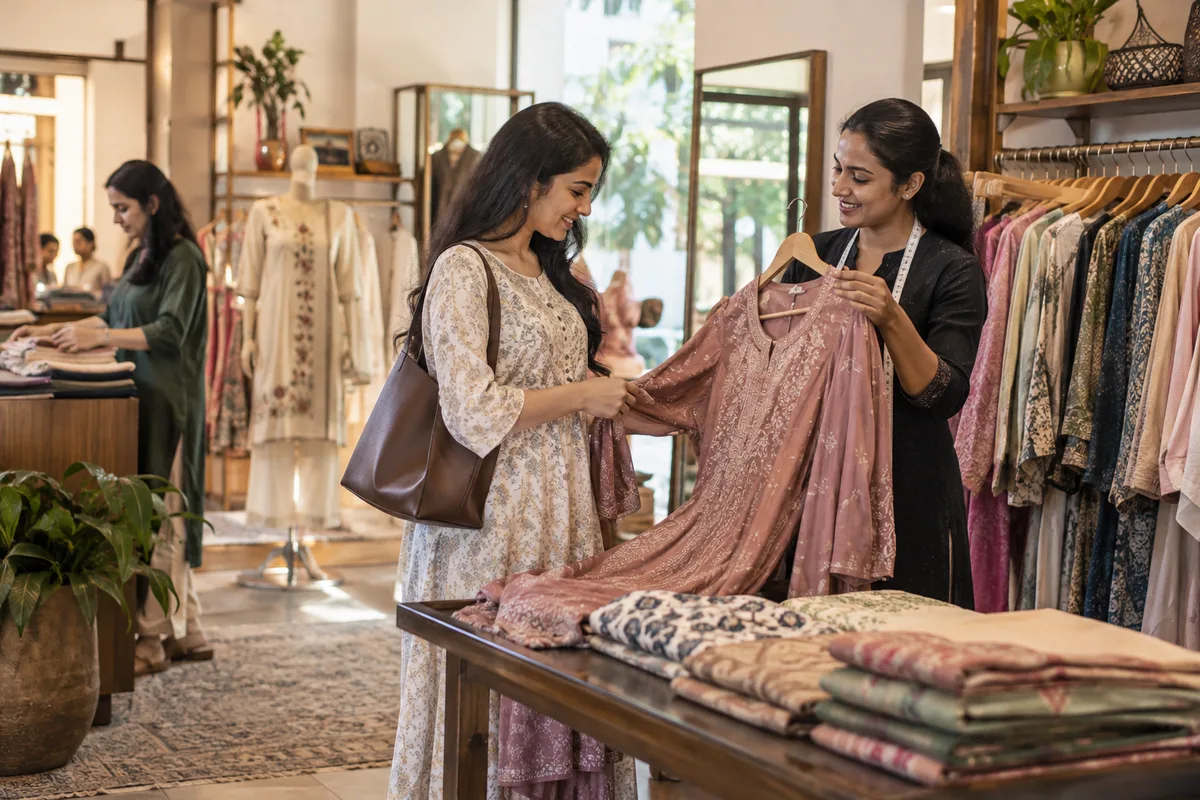
What grand opening and store launch advertising means
Grand opening and store launch advertising promotes a new location to people within a realistic visiting distance, using media scheduled around its opening date. GullySales plans the catchment and opening offer, coordinates bookings and production, and sets up response records so your team can connect launch enquiries and visits with purchases.
Also for clothing stores and boutiques
- PPC ads for clothing stores and boutiques
- Bus advertising for clothing stores and boutiques
- Cricket advertising for clothing stores and boutiques
- Digital out-of-home advertising for clothing stores and boutiques
- Festive and seasonal advertising for clothing stores and boutiques
- Google Shopping and product feed management for clothing stores and boutiques
- Mall advertising for clothing stores and boutiques
- Meta catalogue and dynamic product ads for clothing stores and boutiques
Sales and marketing for clothing stores and boutiques, the overview.
Last updated 14 Nov 2026.
For clothing stores and boutiques
Where it usually goes wrong, and what we would do.
“A launch crowd is not a customer list”
A new boutique can fill on opening day with neighbours who came for the gift and never return for a blouse or a bridal order. What the shop needs is a record of the shopper's name, the occasion and the outfit they looked at. Advertising that draws people without a way to record them leaves the owner with photographs of a crowd and no one to message afterwards.
“The catchment is set by the lanes shoppers walk”
Women choosing a boutique combine the trip with a temple visit, a market errand or a school pick-up. The advertising has to reach the residential lanes, the apartment blocks and the roads where those routines pass the door. A city-wide advertisement reaches people who will never make the journey, while a shop with a hidden entrance needs directions from the main road.
“The shelves must be ready before the poster”
An advertisement that brings a shopper into a half-stocked shop is worse than none. Racks, trial rooms, mirrors, billing and a tailor's corner must be working on the opening date, and the opening collection must be tagged and priced. The media release is a decision about readiness, taken by the owner, not only an approved artwork file.
“One opening offer has to survive the first fortnight”
The opening offer sets what the shop is known for. A discount that is too deep trains the neighbourhood to wait for the next sale, and a vague offer gets no response. A better offer is attached to a named product, such as a first fitting or a styling hour, with a clear end date that staff can explain.
What we do
What we deliver for clothing stores and boutiques.
The work available for this need. We agree the deliverables and responsibilities for your engagement in writing.
Catchment and approach-road map
A marked map shows the residential pockets, apartment blocks, schools and markets near the new shop, with the roads shoppers use to reach it. You compare it with where your existing customers live, if you have another shop, and where the entrance is visible from the road.
Result: You can point to the streets where each placement will appear and say why.
Opening collection and offer sheet
A one-page sheet lists the opening collection, the named offer, what it covers and when it ends. It states how the offer applies to stitching, alterations and exchange. Staff read it before the shop opens, so each of them answers a shopper in the same words.
Result: The offer is written once and every salesperson quotes it the same way.
Dated media and artwork schedule
Publicity before the opening, the opening week and the weeks after are listed separately, with each placement's location, run dates and artwork deadline. Placements are checked with the media owner, and the platform's current rules apply to anything paid online.
Result: Each placement has a confirmed date, a location and an approved artwork file.
Maps, WhatsApp and Instagram opening kit
The shop's Maps listing, WhatsApp catalogue and Instagram profile are prepared for the opening, with the address, photographs of the new front, opening hours and the opening collection. Each carries the same offer wording, so a shopper who finds you on any of them sees the same shop.
Result: A search for the shop's name shows the new address, photographs and opening hours.
Visitor record and follow-up sheet
A simple sheet or card records each visitor's name, contact, occasion and the garments they tried, with their consent to be contacted. A named person owns the follow-up. The sheet lets the owner write to a shopper later about a fitting, instead of hoping the visitor returns.
Result: Every visitor who agreed to be contacted appears on one sheet with a named follow-up owner.
Opening review against the baseline
After the opening period the visitor sheet, the billing record and the enquiries are read against the figures recorded before the work started. The review shows which streets, which media and which outfits brought people who bought. It becomes the reference for the next launch or the next collection.
Result: You can say which placements brought visitors who bought, and which only brought a crowd.
How the result is measured
- Placements delivered against approved dates, separate from buyer response
- Calls and offer redemptions by recorded source
- Opening footfall against an available comparable baseline
Recorded as a baseline before work starts, so every later report has an honest comparison.
Who it is for
This is written for these clothing stores and boutiques.
- Women's ethnic wear and saree boutiques
- Designer and occasion wear studios
- Multi-brand clothing and accessories stores
- Men's wear and ethnic wear stores
- Custom tailoring and blouse stitching studios
- Kids' wear stores
- School uniform retailers and suppliers
- Corporate, hospital and hospitality uniform suppliers
- Fashion accessories and jewellery boutiques
Before you decide
Agree the work. Know how to judge it.
Grand opening and store launch advertising for clothing stores and boutiques: use these checks to prepare, choose the scope, and review what changes.
Bring the right evidence
State the buyer group, catchment, and dates that matter to the offer. Ask for the proposed inventory and available evidence about its audience, with the source and date shown.
Make the scope clear
Agree the exact placements, formats, booking period, and proof of delivery. Separate media charges from design, production, permissions, and installation where these apply.
Check the work in use
Compare delivery evidence with the agreed booking and record enquiries through a distinct response route where practical. Treat audience estimates separately from measured responses.
Know when to change course
Do not buy a placement only because it is discounted. If the location or audience does not fit the buyer, revisit the plan before committing production costs.
These are discussion points, not a fixed package. GullySales confirms the deliverables, responsibilities, fee, and term in writing after reading your brief and speaking with you.
Before we start
What to have ready before the work starts.
The records, access and decisions this work needs from clothing stores and boutiques. Anything missing is noted in the written scope, with who will supply it.
- Confirmed opening date
- The date must depend on the shop being ready, not on the printer's schedule. Media is booked and paid against it. If the date is uncertain, we wait to book, because a newspaper insert or hoarding run before an unfinished shop wastes the first impression.
- Address, photographs and entrance details
- We need the exact address, a pin on the map, photographs of the shop front and directions from the nearest main road. Maps and WhatsApp must show a place a shopper can find. Without these, visitors circle the lane and some give up before they arrive.
- Opening collection list and prices
- A list of the opening collection with prices, sizes and photographs, by occasion. The advertisement can only show what is on the racks. When the list is missing, artwork uses supplier pictures and the shop disappoints the shopper who asks for the outfit shown.
- Decision on the opening offer
- The owner decides the offer, its end date and how it applies to stitching and alterations. Staff must hear it before opening. Without a decision, the poster says one thing and the counter another, and a launch offer becomes an argument.
- A named person for visitors and follow-up
- One person greets, records visitors and contacts them later. The opening week is busy, and an unassigned task is skipped. Without a named person, the sheet stays empty and the owner loses the best list the launch can produce.
How it works
How the grand opening and store launch advertising work runs
The work itself, in order. How an engagement starts, from your brief to a written scope, is set out on our method page.
- 1
Walk the street and the entrance
We start at the new address. We note the entrance, signage, parking, neighbouring shops and the approaches from the main road, and photograph the shop front as a shopper sees it. If the entrance is hard to find, we say so before any advertising is bought, and agree a fix with the owner.
- 2
Draw the catchment from real routines
With the owner we mark the lanes, apartment blocks, schools, offices and markets where the shop's shoppers live and pass. If another shop exists, its billing addresses guide the map. The result is a list of streets and groups worth reaching, and a list of areas to leave out.
- 3
Fix the opening date and readiness
The owner confirms the date and what must work on it, including trial rooms, billing, the tailor's corner and the tagged collection. Media is booked only against this date. If the readiness list is not complete, the opening moves, and we adjust the schedule before any money is committed.
- 4
Write the opening offer and artwork
The offer is attached to a named product and written in plain terms, including how it applies to stitching and alterations. We prepare the artwork, the WhatsApp message and the Maps and Instagram updates. The owner approves them in writing, and staff are briefed before the first advertisement appears.
- 5
Run the opening and record each visitor
During the opening, a named person greets each shopper and fills the visitor sheet, with consent to be contacted. We keep the media schedule and watch for placements that do not appear as booked. Any shopper who asks for a fitting is given a date at the counter.
- 6
Read the visits and plan the follow-up
We compare the visitor sheet, billing and enquiries with the baseline taken before the opening. The owner then contacts visitors who asked for fittings or showed interest in an occasion. The review marks which streets and placements brought buyers, and these guide the next collection.
Where this fits
Three pieces of sales work, in this order.
This work sits inside sales process design, at stage 1, prospecting and lead generation. The audit comes before it, and sales management keeps it running.
Step 1
Sales audit
Find where deals are being lost and what to fix first.
Start here if you cannot say where orders are lost.
Step 2 · you are here
Sales process design
One written way to sell, from first enquiry to repeat order.
Start here if every salesperson sells differently.
Step 3
Sales management
A target, a review routine and someone who owns the number.
Start here if the team has targets and no routine.
FAQ
Questions owners ask before they call.
Not here? More answers, or ask on WhatsApp.
How far ahead should a boutique advertise its opening?
Should the opening offer be a discount?
Do we need an opening event?
How do we reach shoppers who live nearby?
What if we open one shop but already have another?
How will we know the opening worked?
How much does it cost?
How long is the contract?
How soon will we see results?
Who will actually do the work?
From the blog
Further reading for clothing stores and boutiques.
 7 min read · 11 Jun 2024How to promote a new retail storeThe opening crowd is bought with a discount and leaves with it. Fill the first fortnight from the catchment, and win the second one at the billing counter.
 5 min read · 29 Sept 2026Festival and wedding-season stock and promotion timing for retailersHow a retailer lines up promotion with the stock cycle in festival and wedding season: what to announce before, during and after, and when to stop.
 6 min read · 21 Sept 2026Influencer marketing vs social media advertising: which one should you pay for?An ad is a message you control, shown to people you choose. A creator post is a recommendation you do not control, shown to people who chose the creator.
More for clothing stores and boutiques
Related work to consider.
Closest to this: paid and media
- PPC ads for clothing stores and boutiques
- Bus advertising for clothing stores and boutiques
- Cricket advertising for clothing stores and boutiques
- Digital out-of-home advertising for clothing stores and boutiques
- Festive and seasonal advertising for clothing stores and boutiques
- Google Shopping and product feed management for clothing stores and boutiques
- Mall advertising for clothing stores and boutiques
- Meta catalogue and dynamic product ads for clothing stores and boutiques
Also for clothing stores and boutiques
Or start from the overview: sales and marketing for clothing stores and boutiques.
Your next practical step
Tell us what you are trying to grow, and we will read it before we call.
Eight short steps, mostly taps. Skip anything you would rather answer on the call.