Clothing stores and boutiques · Facebook and Instagram ad creative design
Draw the ad so the drape and the offer both survive a small phone screen.
Facebook and Instagram ad creative design for a clothing boutique is the artwork in a paid ad: the garment picture, the line set on it and the layout for the feed, story and reel placements. GullySales designs it to the message you have approved and hands over finished files for each placement, ready for whoever runs your campaign.
Scope, fee, reporting and term are agreed in writing after we have read your brief and spoken to you.
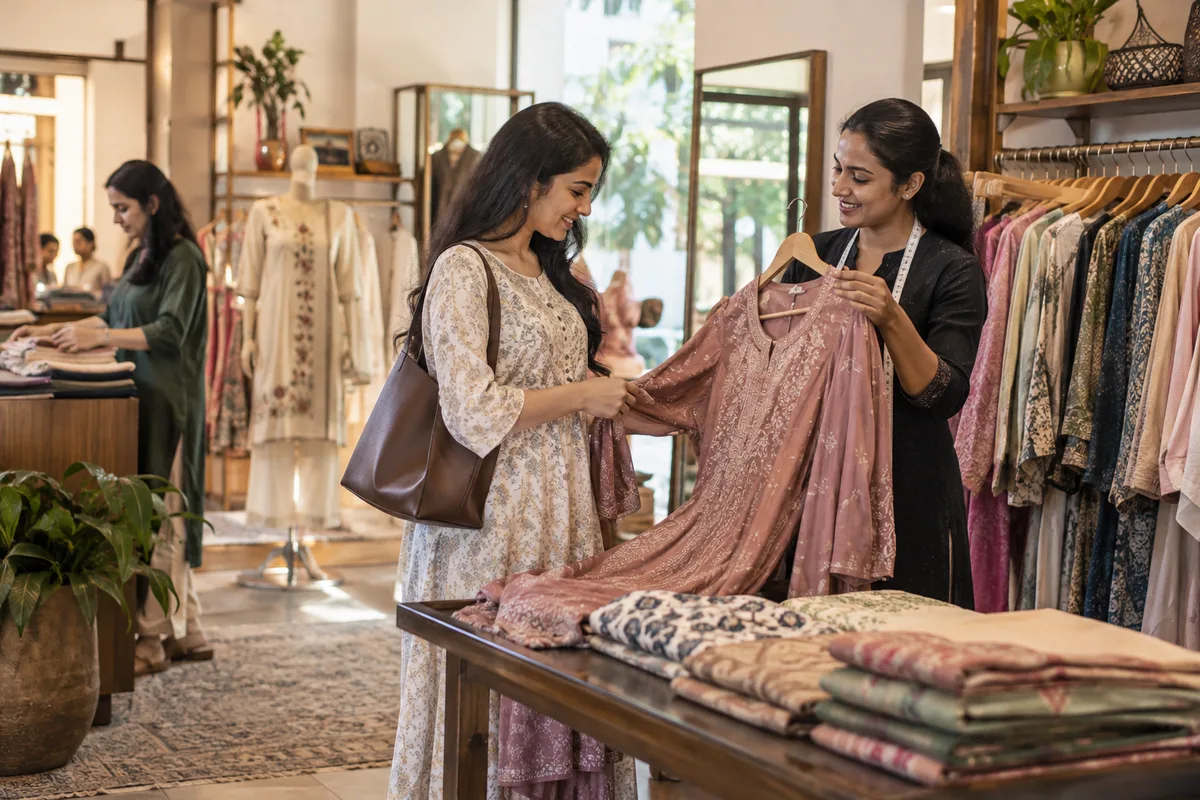
What Facebook and Instagram ad creative design means
Facebook and Instagram ad creative design is the artwork and video frames that appear in a paid ad: the picture, the words set on it and the layout for each placement. GullySales designs the ad to your agreed message and hands over finished files for each placement, ready for whoever runs your campaign.
Also for clothing stores and boutiques
- PPC ads for clothing stores and boutiques
- Bus advertising for clothing stores and boutiques
- Cricket advertising for clothing stores and boutiques
- Digital out-of-home advertising for clothing stores and boutiques
- Festive and seasonal advertising for clothing stores and boutiques
- Google Shopping and product feed management for clothing stores and boutiques
- Grand opening and store launch advertising for clothing stores and boutiques
- Mall advertising for clothing stores and boutiques
Sales and marketing for clothing stores and boutiques, the overview.
Last updated 14 Nov 2026.
For clothing stores and boutiques
Where it usually goes wrong, and what we would do.
“The garment is flat in a busy feed”
A saree or a lehenga that looks rich in the shop can look dull in a feed between brighter posts. The fabric's sheen, the weight of a border and the fall of a skirt do not show at thumbnail size. Without a clear focal point, a clean background and a short line, the shopper scrolls past before the outfit has been seen at all.
“Text on the picture is covered or too small”
Words placed near the edge of a story or reel are covered by the platform's buttons, and small type cannot be read on a phone held at arm's length. The offer may be on the artwork, but the shopper never sees it. Each placement has its own covered areas, so the line must be placed for each, not copied across.
“One picture is stretched to every placement”
A square photograph forced into a tall story cuts a model at the knees and slices a hemline, and a tall photograph forced into a feed square leaves the face tiny. The placement that matters to the shopper gets the worst crop. Each shape needs its own drawing, moved and rebuilt rather than scaled.
“The ad promises what the shop cannot show”
A fabric described as pure, handloom or hand-embroidered must be true of the garment on the shelf, and a colour in the ad that differs from the real cloth brings the shopper in and sends them away. The platform's current rules also limit how people and personal attributes are shown, so the owner confirms every claim before it is drawn.
What we do
What we deliver for clothing stores and boutiques.
The work available for this need. We agree the deliverables and responsibilities for your engagement in writing.
Creative direction note
A short written note stating the single idea of the ad, the garment that carries it, where the words sit and what the shopper should notice first. You approve it before artwork begins, so a disagreement about the look is settled on one page.
Result: Owner and designer agree in writing what the ad is selling.
Static image ad for the feed
The finished image with the garment as the focus, a short line set on it, your logo with clear space and colours matched to the cloth and your brand files. It is supplied as the layered file and the exported picture.
Result: The ad reads on a phone without opening the full picture.
Story and reel versions
The same ad redrawn for tall placements, with the garment, the face and the line moved clear of the areas the platform's interface covers. Each follows the platform's current specification for its placement.
Result: No placement shows a cropped hem or a hidden offer line.
Carousel for colourways or looks
A set of cards showing the same outfit in its colours, or a full look built from a blouse, a skirt and a dupatta, with a consistent frame and a final card that carries the next step. Each card still works if seen alone.
Result: The shopper can compare colourways without opening a catalogue.
Video cover and end frame
For a short video of the drape or the fitting, the opening frame that shows before it plays and the closing frame carrying the offer and the logo. Editing the footage is a separate scope; we design the frames and any text overlays.
Result: The video's first and last frames carry the shop's name and the offer.
Safe-zone guide and handover list
A one-page guide marking where garments, faces and words can sit in each placement, plus every file named by placement. Whoever runs your campaign can upload the right file without asking what each one is.
Result: Your campaign manager can place every file without a query.
How the result is measured
- Ad files delivered for each agreed placement
- Placements where artwork was cropped or text was covered before launch
- Claims on the artwork that your approver has signed off
Recorded as a baseline before work starts, so every later report has an honest comparison.
Who it is for
This is written for these clothing stores and boutiques.
- Women's ethnic wear and saree boutiques
- Designer and occasion wear studios
- Multi-brand clothing and accessories stores
- Men's wear and ethnic wear stores
- Custom tailoring and blouse stitching studios
- Kids' wear stores
- School uniform retailers and suppliers
- Corporate, hospital and hospitality uniform suppliers
- Fashion accessories and jewellery boutiques
Before you decide
Agree the work. Know how to judge it.
Facebook and Instagram ad creative design for clothing boutiques and retailers: use these checks to prepare, choose the scope, and review what changes.
Bring the right evidence
Choose the buyer problem, offer, and evidence the advert will show. Review lead quality from earlier campaigns and the questions the sales team needed to ask before a conversation became useful.
Make the scope clear
Agree the creative variations, audience approach, landing page or form, and follow-up owner. Separate media spend from creative production and campaign management.
Check the work in use
Check whether the person responding understood the offer and fits your buying criteria. Review cost per qualified conversation as well as platform-reported leads.
Know when to change course
Cheap form submissions can still be expensive to handle. If the team repeatedly explains basic eligibility, make it clear in the advert and form before scaling the campaign.
These are discussion points, not a fixed package. GullySales confirms the deliverables, responsibilities, fee, and term in writing after reading your brief and speaking with you.
Before we start
What to have ready before the work starts.
The records, access and decisions this work needs from clothing stores and boutiques. Anything missing is noted in the written scope, with who will supply it.
- Photographs of the real garments
- Clear, steamed, well-lit pictures of the outfits to be advertised, with a colour that matches the cloth. The ad is built on the photograph, and a picture that misrepresents the colour sends a shopper away disappointed at the shop.
- The approved offer and its limits
- The line you are willing to stand behind, such as a new arrival, a stitching slot or an end-of-season sale, and the conditions that apply. We do not invent offers, and an offer that changes after the artwork is made means redrawing it.
- The destination for the tap
- The page, message thread or catalogue the ad leads to, and who answers it. If the shopper lands on a page that does not show the same outfit, the ad has done its work and the shop has lost the sale.
- Permission for any person shown
- Written permission from every model, staff member or customer who appears in a picture, and a view from you on how people are shown. The platform's current advertising rules apply, and a picture without permission cannot be used.
- Brand files and past ad results
- Logo, colours, fonts and any ads you have run before, with whatever results the platform showed. They tell us which pictures drew attention and which did not, and without them we repeat an old mistake.
How it works
How the facebook and instagram ad creative design work runs
The work itself, in order. How an engagement starts, from your brief to a written scope, is set out on our method page.
- 1
Read the offer and the destination
We read the brief, the message you have approved and the page or message thread the ad leads to. If the offer on the artwork differs from what the shopper meets after the tap, we raise it before drawing anything, because the mismatch loses the shopper at the door.
- 2
Look at the outfit and the old ads
We look at the garments you want to advertise, the ads already run and your logo, colours and photographs. This shows which pictures can carry the ad, what a returning shopper already recognises and which garments need a fresh photograph before any design starts.
- 3
Agree the single idea for the ad
We propose one idea, such as a bridal blouse stitched to measure, a festive arrival or a school uniform reopening notice, with a rough layout. You approve or redirect it before finished artwork starts, and you confirm every claim made about fabric or finish.
- 4
Design the feed version in full
We draw the main version with the garment as the focus, the line, the logo and the next step. The text is checked for legibility at phone size, and the focal point is checked against how bright and crowded a feed can be.
- 5
Rebuild for story, reel and carousel
We redraw the ad for each agreed placement, moving the garment and the line out of covered areas instead of scaling them. Carousel cards and video frames are completed in the same pass so the set looks like one ad.
- 6
Hand over and read the first results
You review the set against the brief and handle changes as the written scope sets out. We supply the source files, exports and handover list, then read the ad's results against the figures recorded before the work began, with the campaign manager.
Where this fits
Three pieces of sales work, in this order.
This work sits inside sales process design, at stage 1, prospecting and lead generation. The audit comes before it, and sales management keeps it running.
Step 1
Sales audit
Find where deals are being lost and what to fix first.
Start here if you cannot say where orders are lost.
Step 2 · you are here
Sales process design
One written way to sell, from first enquiry to repeat order.
Start here if every salesperson sells differently.
Step 3
Sales management
A target, a review routine and someone who owns the number.
Start here if the team has targets and no routine.
FAQ
Questions owners ask before they call.
Not here? More answers, or ask on WhatsApp.
Do you write the ad text and run the campaign?
How is this different from catalogue ads?
Can the ad show a price?
Will the ad use a model?
What happens if the platform rejects the ad?
Can we promise delivery before an event in the ad?
How long is the contract?
How soon will we see results?
Who will actually do the work?
What do you need from us?
From the blog
Further reading for clothing stores and boutiques.
 5 min read · 29 Sept 2026Festival and wedding-season stock and promotion timing for retailersHow a retailer lines up promotion with the stock cycle in festival and wedding season: what to announce before, during and after, and when to stop.
 6 min read · 21 Sept 2026Influencer marketing vs social media advertising: which one should you pay for?An ad is a message you control, shown to people you choose. A creator post is a recommendation you do not control, shown to people who chose the creator.
 8 min read · 21 Sept 2026How to write an influencer briefA brief fixes the claim, the offer and the disclosure, then leaves the creator alone. Hand over a script and you pay for a bad advertisement.
More for clothing stores and boutiques
Related work to consider.
Closest to this: paid and media
- PPC ads for clothing stores and boutiques
- Bus advertising for clothing stores and boutiques
- Cricket advertising for clothing stores and boutiques
- Digital out-of-home advertising for clothing stores and boutiques
- Festive and seasonal advertising for clothing stores and boutiques
- Google Shopping and product feed management for clothing stores and boutiques
- Grand opening and store launch advertising for clothing stores and boutiques
- Mall advertising for clothing stores and boutiques
Also for clothing stores and boutiques
Or start from the overview: sales and marketing for clothing stores and boutiques.
Your next practical step
Tell us what you are trying to grow, and we will read it before we call.
Eight short steps, mostly taps. Skip anything you would rather answer on the call.